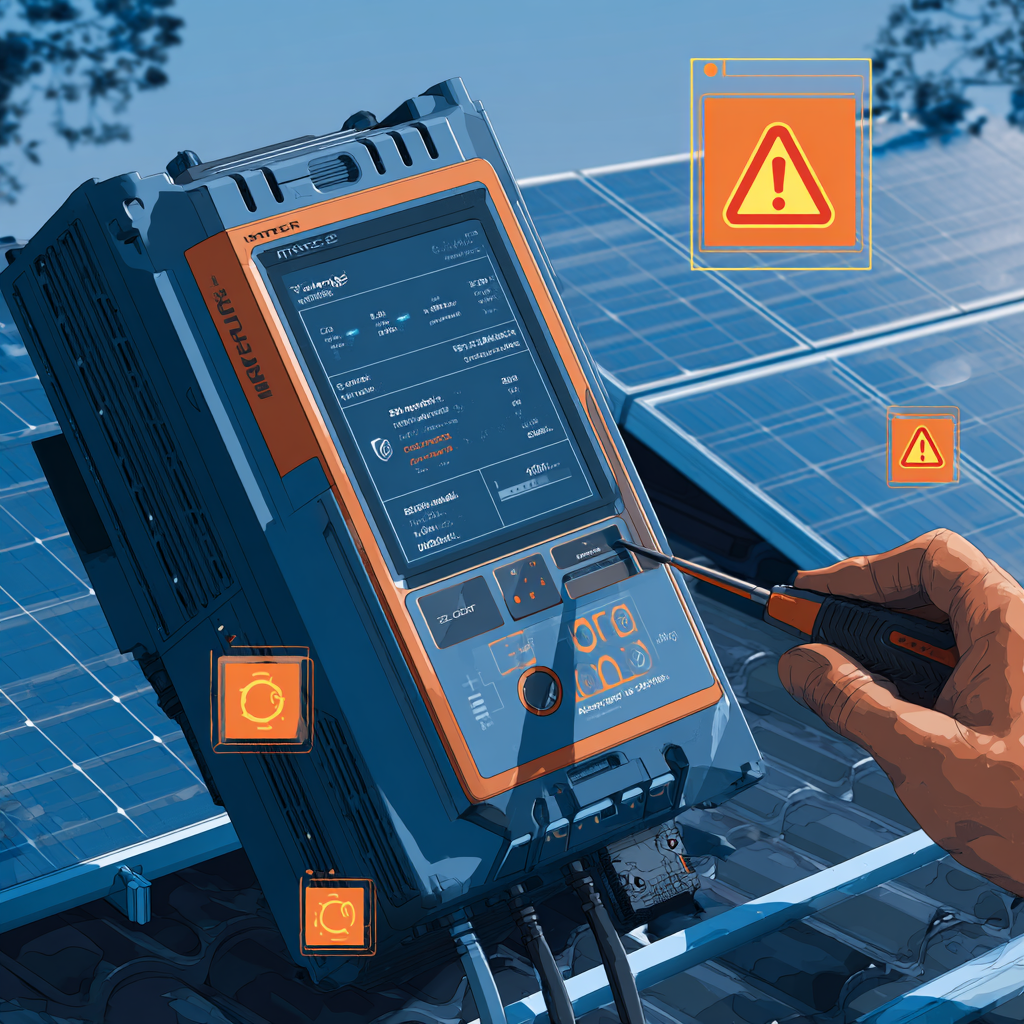
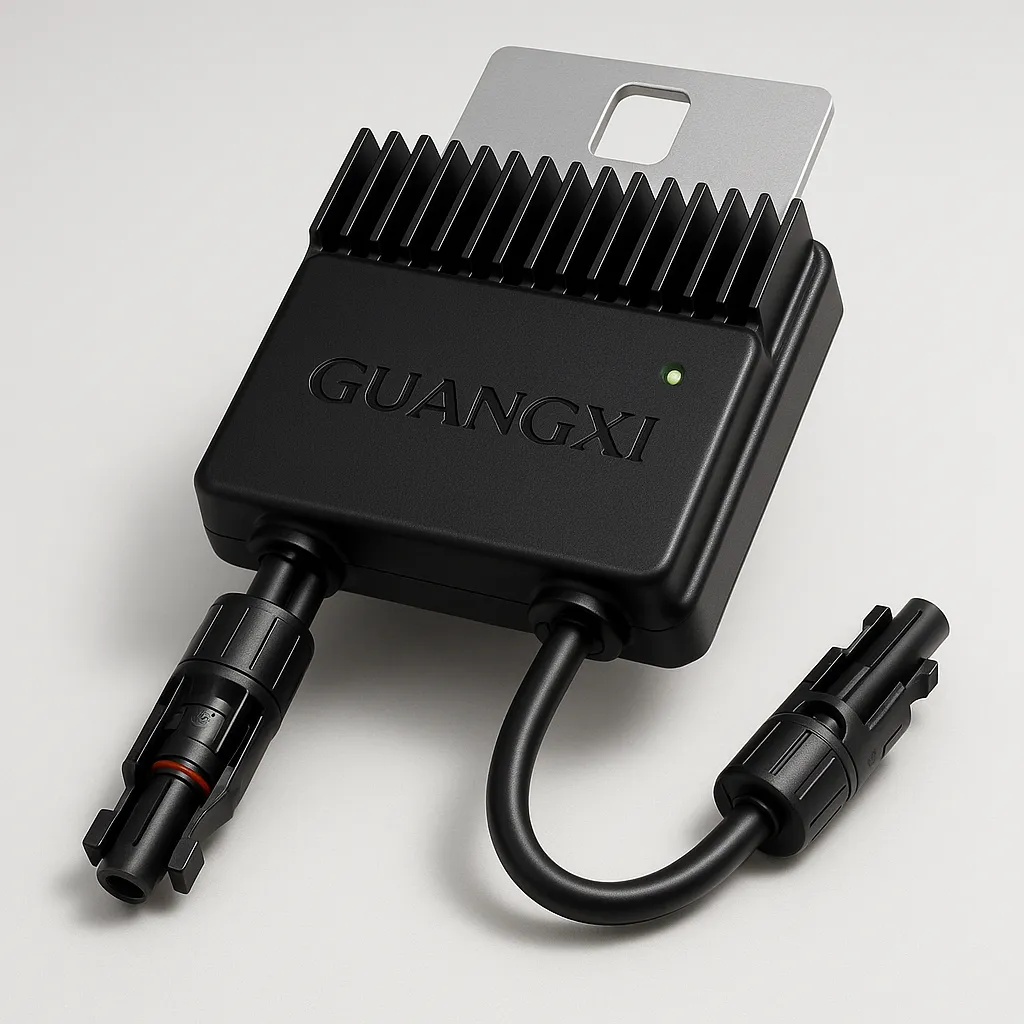
Why does my solar inverter shut off? The most common reasons include grid voltage fluctuations triggering UL 1741 safety limits, internal overheating due to poor ventilation, DC ground faults in your wiring, or a standard utility grid blackout. If you have a traditional grid-tied inverter, it is legally required to shut down during a power outage—this is called anti-islanding protection.
The "Sunny Day Blackout" (Anti-Islanding Protection)
"It's high noon, the sun is shining, the grid went down, and my inverter just shut off! Is it broken?"
Your standard string inverter isn't broken—it's following federal law. Per US safety regulations (UL 1741), grid-tied inverters must immediately shut down when utility power drops. This prevents your solar panels from sending live voltage back into the power lines, potentially electrocuting utility workers.
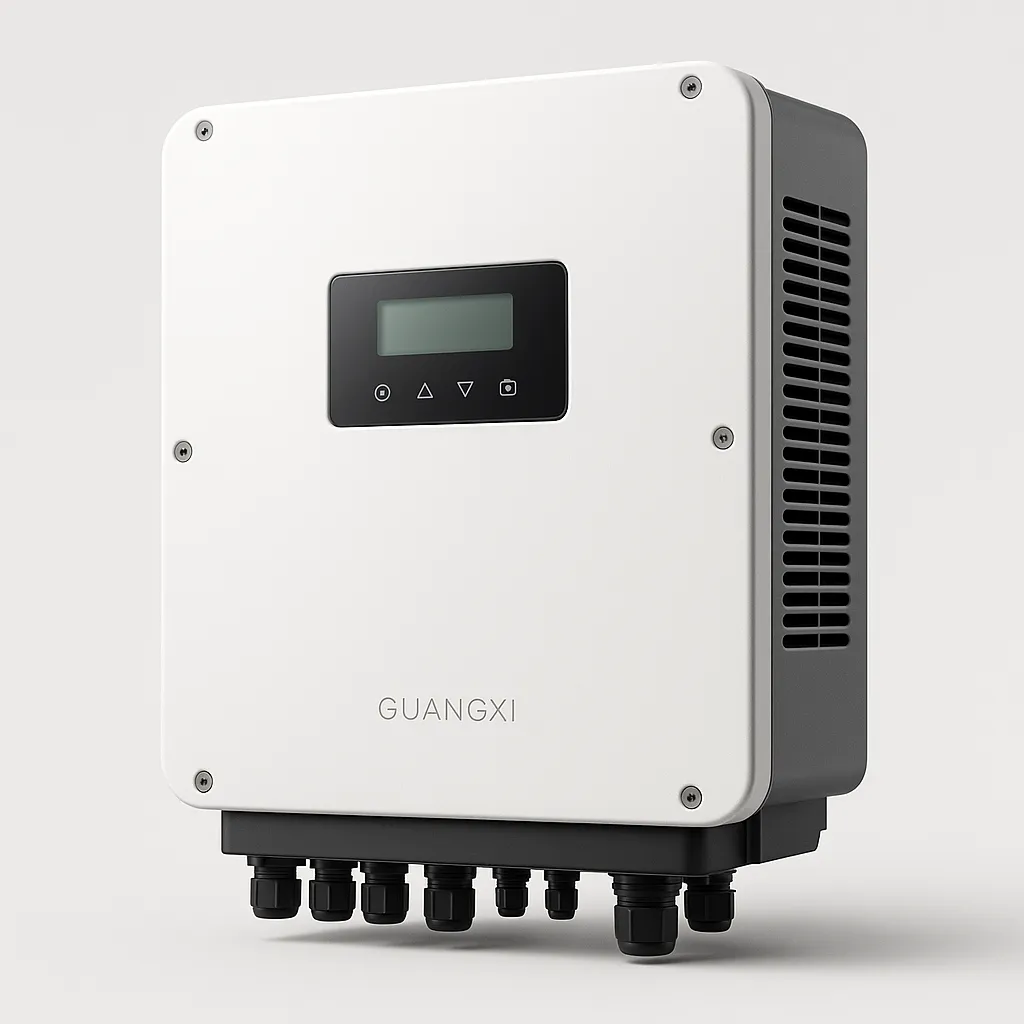
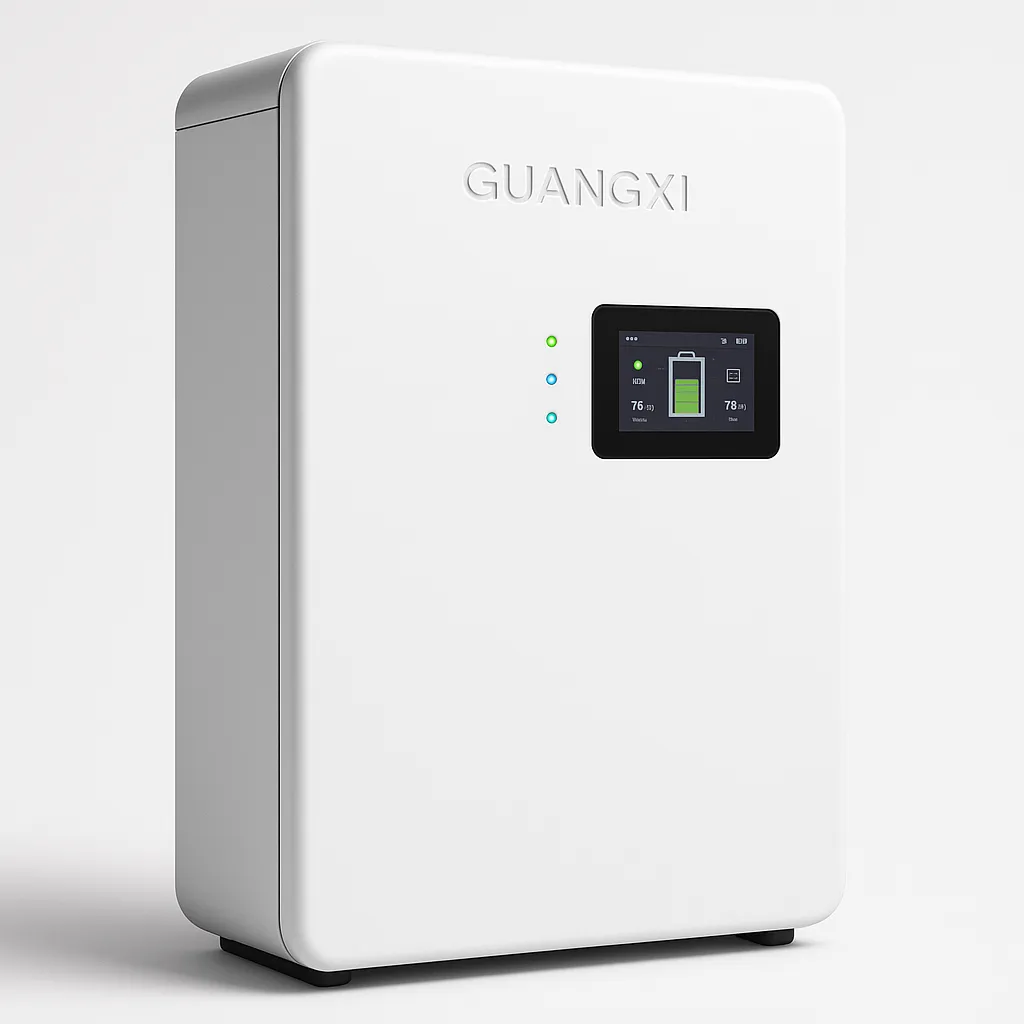
The Fix: If you want your solar panels to keep working during a Texas winter storm or a Florida hurricane, you must upgrade to a Hybrid Solar Inverter with battery backup. Our SolarInverterUS hybrid models feature an internal automatic transfer switch that safely isolates your house from the grid in under 10 milliseconds.
Thermal Derating (Over-Temperature Protection)
Electronics hate heat. If your inverter is mounted in a blazing-hot Arizona garage, it will try to protect itself. Most standard inverters start derating at 104°F (40°C). By 122°F (50°C), they shut down completely.
Pro Tip from the Field: If you live in the Sun Belt (TX, AZ, NV, FL), product selection is critical. We engineered the SolarInverterUS series with massive cast-aluminum heat sinks. In our stress testing, our units maintained 100% full power output even in brutal 113°F (45°C) ambient environments.