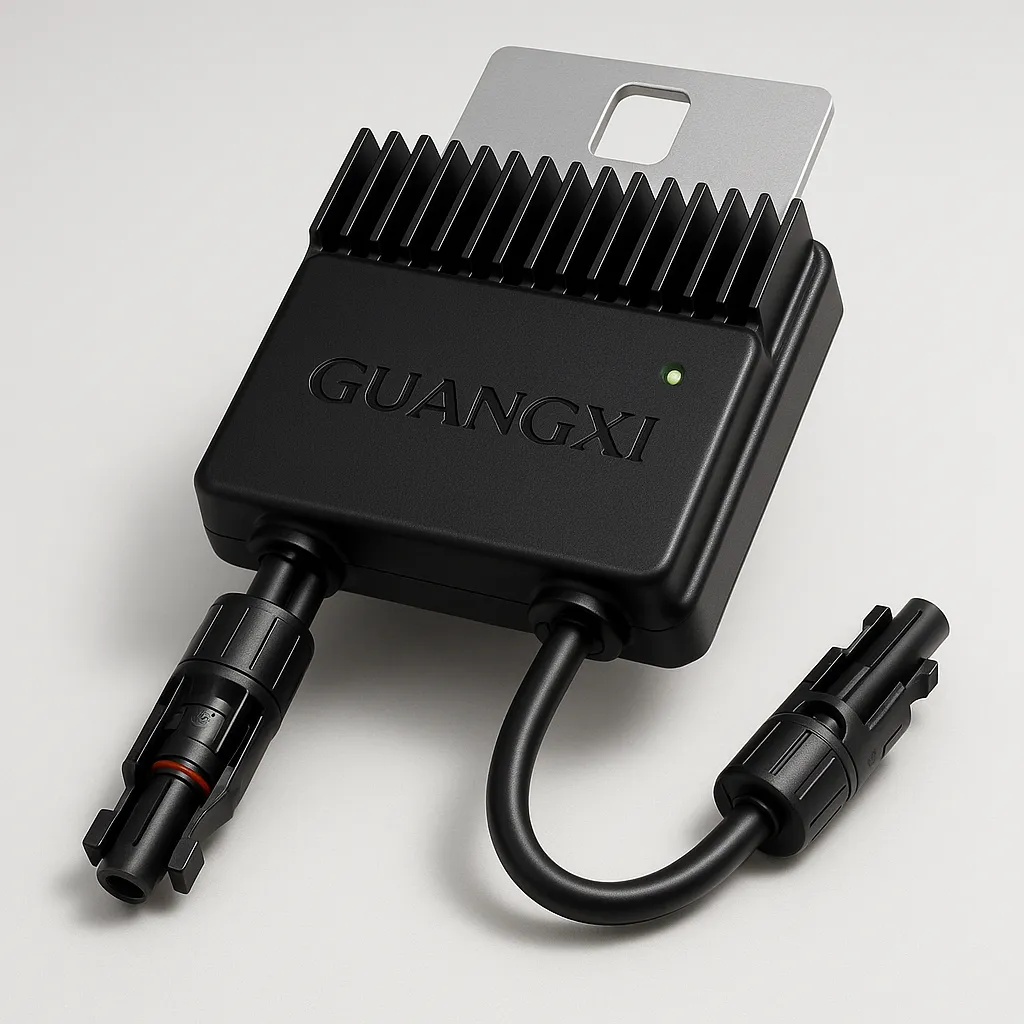
If you're researching solar for your home, you've probably seen the term "hybrid inverter" everywhere. But what exactly is it, and do you need one?
After designing hundreds of solar systems across the US, I'll break it down in plain English — no engineering degree required.
The Simple Answer
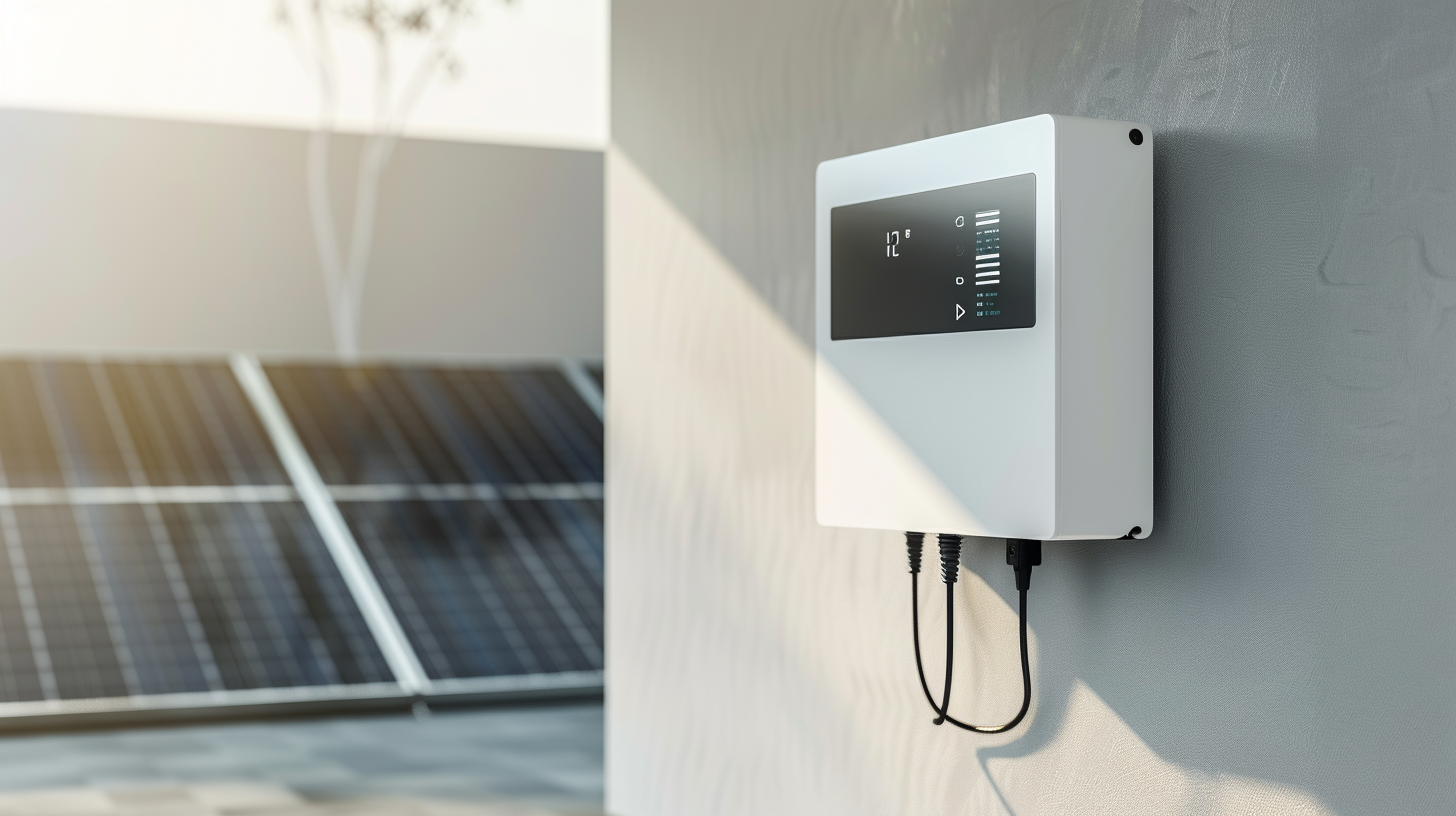
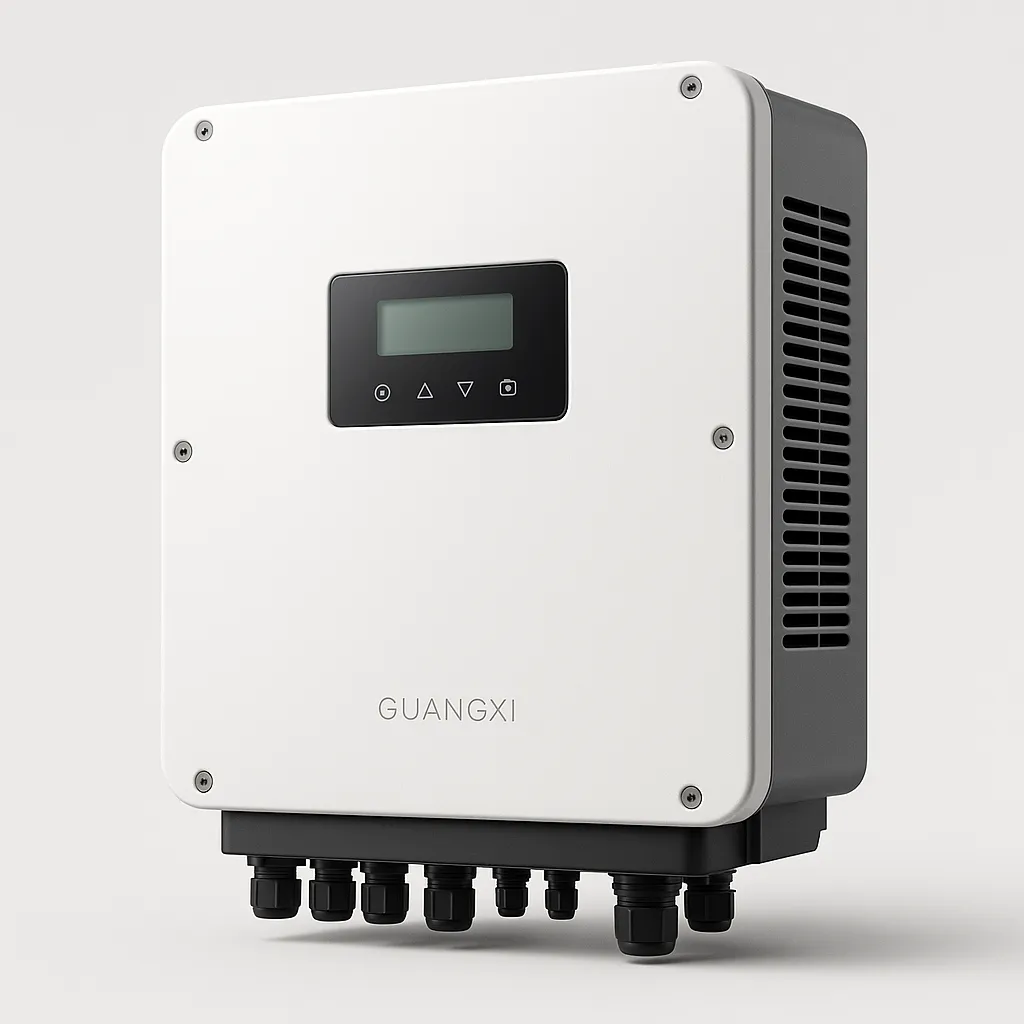
A hybrid solar inverter is a device that does three things:
-
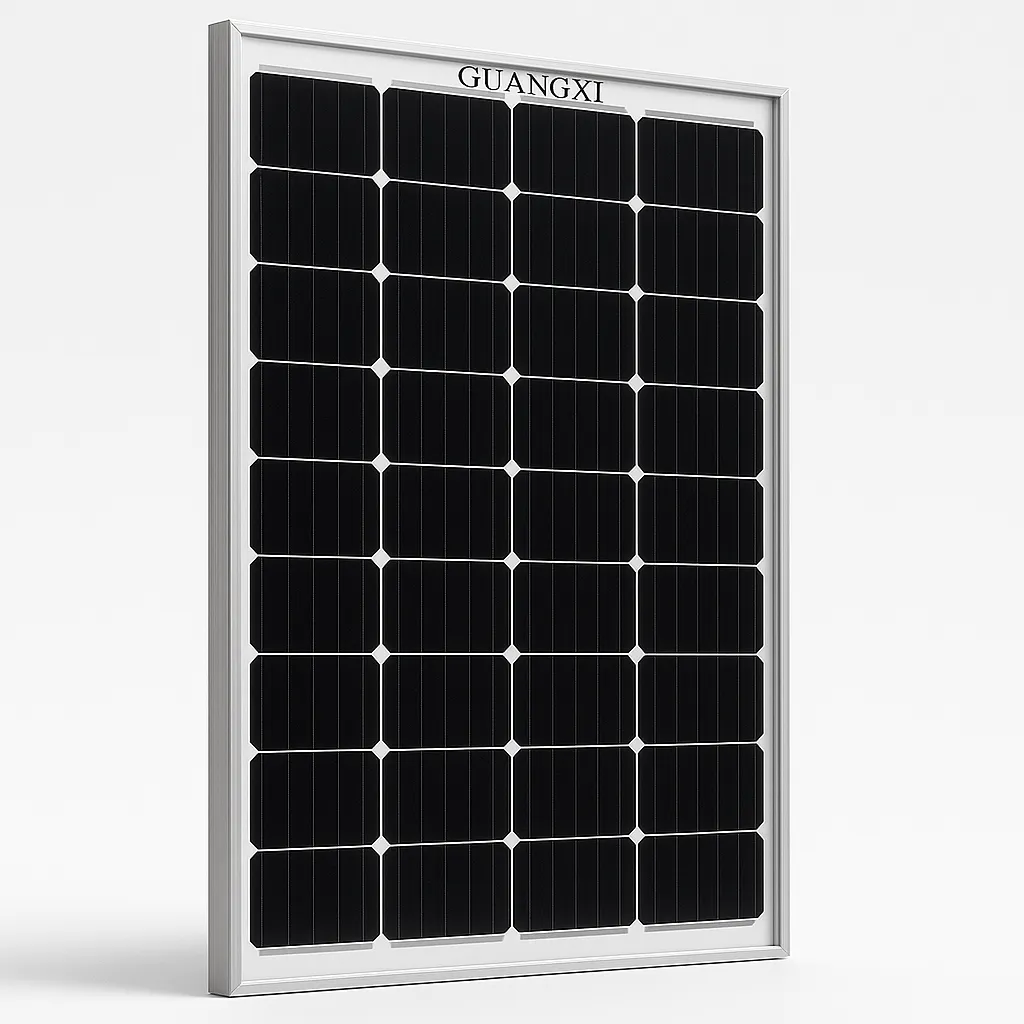
Converts DC to AC — Takes the DC power from your solar panels and converts it to the AC power your home uses
-
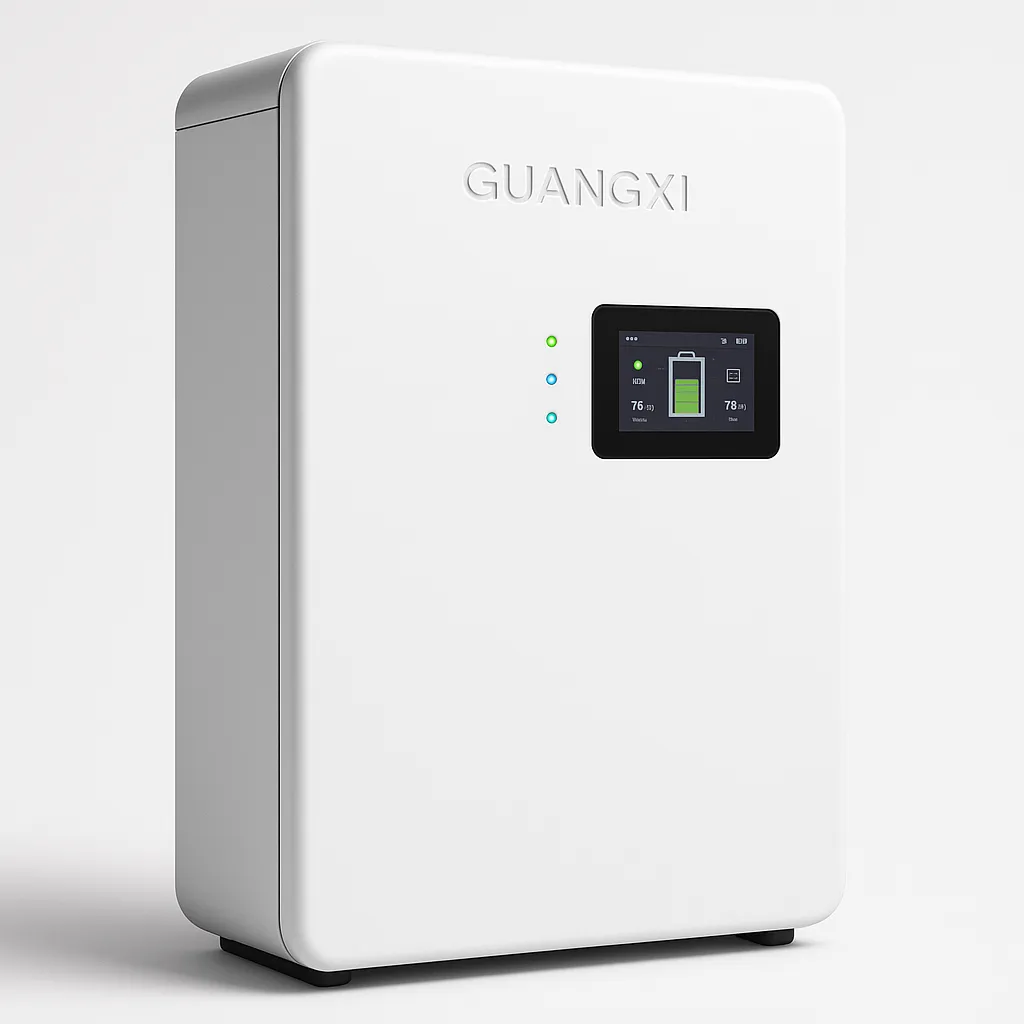
Manages batteries — Charges and discharges your battery bank automatically
-
Provides backup power — Keeps your lights on when the grid goes down
Think of it as a solar inverter + battery charger + transfer switch — all in one box.
Who Needs a Hybrid Inverter?
You DEFINITELY Need One If:
✅ You're in California — NEM 3.0 makes battery storage essential. A hybrid inverter maximizes self-consumption instead of selling solar to the grid at $0.03/kWh.
✅ You experience power outages — Texas winter storms, Florida hurricanes, California PSPS events — if your grid is unreliable, backup power is essential.
✅ You want energy independence — Some homeowners just want to reduce their reliance on the utility, regardless of ROI.
✅ You have TOU rates — If your utility charges more during peak hours (typically 4-9pm), a hybrid system can shift your usage to cheaper times.
You Might NOT Need One If:
⚠️ You have stable grid power and favorable net metering — Some states still offer 1:1 net metering.
⚠️ Budget is your primary constraint — A hybrid inverter + battery adds $8,000-15,000 to your system cost.
Key Specifications
|
Specification
|
What to Look For
|
|
AC Output Power
|
5-10 kW for typical home
|
|
Surge Power
|
2x for 10 seconds minimum
|
|
Efficiency
|
98%+
|
|
Switching Time
|
< 10ms for UPS-grade backup
|
|
Output Voltage
|
120V/240V split-phase (US standard)
|
Certifications Required
|
Certification
|
What It Means
|
|
UL 1741
|
Safety standard for grid-tied inverters
|
|
IEEE 1547
|
Grid interconnection standard
|
|
FCC Part 15 Class B
|
Won't interfere with electronics
|
If you are still sizing your system, check your main electrical panel first. If you have a 200A service and plan to back up heavy loads like a central AC, look at our 10kW/12kW models. Need help sizing? Drop your monthly kWh usage in the comments or contact our US-based tech team