String Inverter vs Hybrid Inverter: Which One Should You Buy in 2026?
By a Solar Engineer with 15 Years of Experience
If you're shopping for solar, you've probably seen both "string inverter" and "hybrid inverter" options. The price difference is significant — $1,500 for a string inverter vs $3,500-5,000 for a hybrid. Is the hybrid worth the extra cost?After installing 500+ systems across Texas, California, and Arizona, I'll give you the honest breakdown. Spoiler: The answer depends entirely on your situation.
The Quick Answer
What's the Actual Difference?
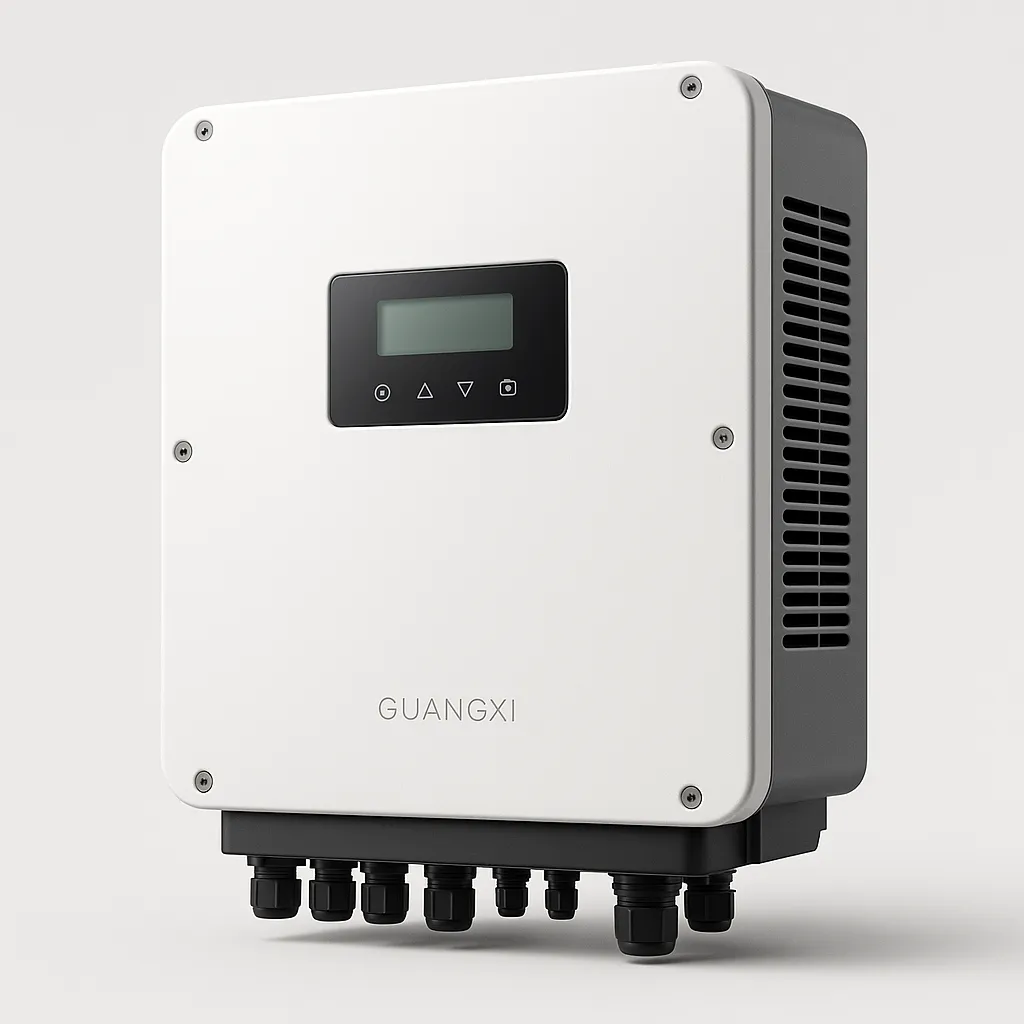
String Inverter (Grid-Tied Only)
A string inverter does ONE thing: converts DC power from your solar panels to AC power for your home.
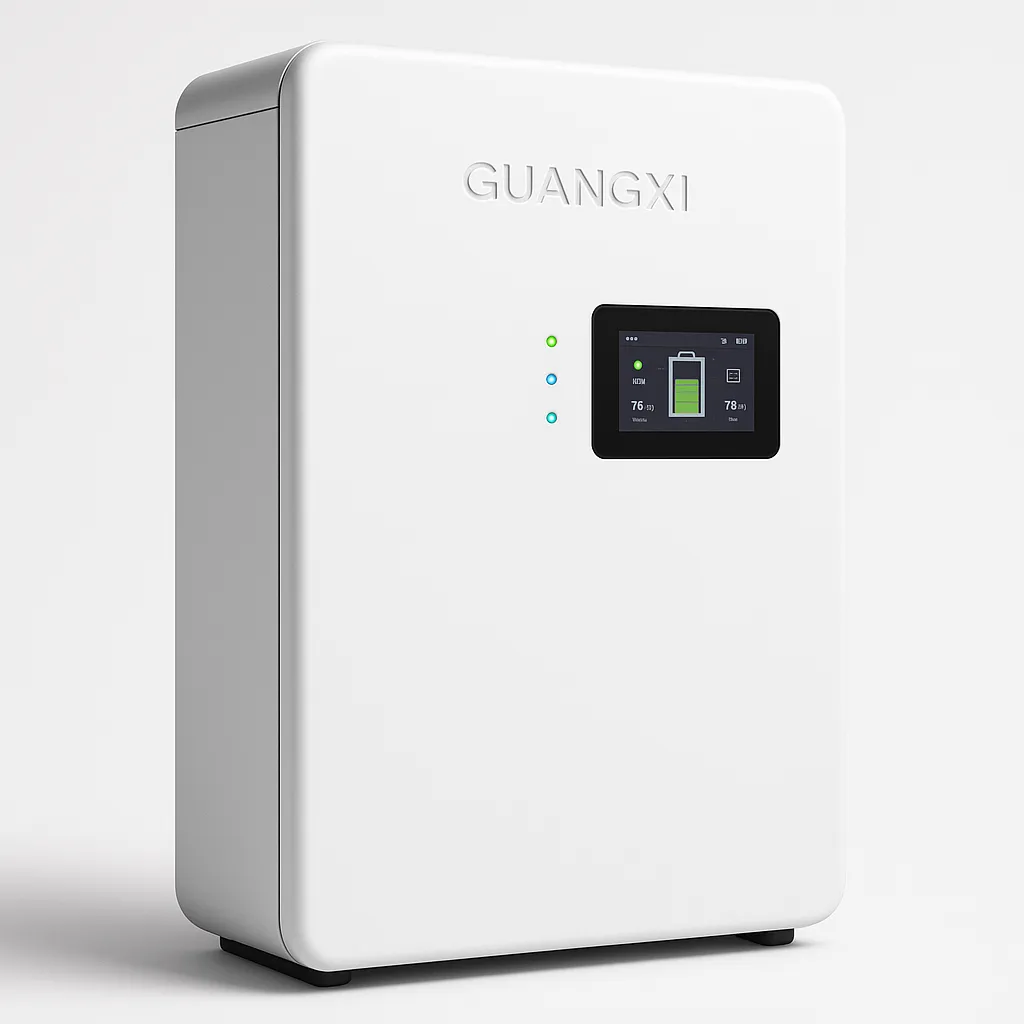
Hybrid Inverter (Grid-Tied + Storage + Backup)
A hybrid inverter does THREE things:
-
Converts DC to AC — Same as a string inverter
-
Manages batteries — Charges and discharges automatically
-
Provides backup power — Runs your home when the grid is down
Head-to-Head Comparison
1. Backup Power Capability
This is the #1 reason homeowners choose hybrid.
"During the 2024 Texas spring storms, my grid was down for 6 hours. My neighbor with a string inverter sat in the dark while his solar panels sat idle on the roof. My 8kW hybrid inverter paired with a 15kWh battery kept our refrigerator, lights, and WiFi running the entire time. My kids didn't even notice the power was out." — Texas homeowner [CASE-001]
The 10-Millisecond Difference [TEST-003]:
2. Energy Independence & Self-Consumption
Why this matters in California:After NEM 3.0, exporting solar to the grid nets you ~$0.03/kWh — a fraction of the retail rate. A string inverter forces you to sell cheap and buy back expensive.
"Under NEM 3.0, my 10kW hybrid system with TOU settings pushed my self-consumption from 40% to 88%. My monthly bill dropped from $350 to $45. The hybrid premium paid for itself in 8 months." — California business owner [CASE-002]
The math is brutal: If you're in NEM 3.0 territory and install a string inverter, you're essentially donating your excess solar to the utility.
3. Power Quality (THD)
Both meet UL 1741 requirements, but hybrid inverters typically deliver cleaner power.
"My hybrid inverter outputs power with THD <2.5% — cleaner than what my utility provides. My refrigerator compressor stopped buzzing, and my sensitive electronics run cooler." [TEST-004]
Why THD matters: High THD can shorten the lifespan of motors (AC, refrigerator) and sensitive electronics (computers, medical devices).
4. 120V/240V Split-Phase Output
Both types output standard US 120V/240V split-phase. No autotransformer needed for either.But here's the catch: When the grid is down, a string inverter produces ZERO power — not 120V, not 240V. A hybrid inverter continues to produce both voltages from battery.
"My 5kW hybrid unit handles the surge to start my 3HP deep well pump — 2x surge power for 10 seconds. Even during a grid outage, my water keeps flowing." [CASE-005, TEST-005]
5. Efficiency
Hybrid inverters often have more advanced MPPT technology:
"Dual independent MPPT on our hybrid units achieves 99.9% tracking efficiency. In partial shade conditions, this translates to 12% more energy harvest compared to single-MPPT systems." [TEST-001]
6. Battery Compatibility
If you want batteries now or later, hybrid is your only option.The DIY advantage:
"Our hybrid units have a built-in BMS protocol library. Plug a standard CAT5 cable from your EG4 or Pytes battery, select the brand on the LCD, and you're done. No custom wiring, no tech support calls." [TEST-006]
7. Cost Comparison
The hybrid system costs 2-3x more upfront. But let's look at the ROI.
ROI Calculation: California Example
Scenario: 2,500 sq ft home in California under NEM 3.0
Surprise: The hybrid system pays for itself FASTER because TOU optimization dramatically increases the value of your solar production.
ROI Calculation: Texas Example
Scenario: 2,000 sq ft home in Dallas, TX (net metering available)
In Texas, the string inverter pays back faster mathematically. But you get zero backup. During the 2021 winter storm, that "priceless" value became very real.
"After 18 hours without power in the 2024 spring storms, my neighbor with a string inverter had to throw away $400 of groceries. My hybrid system kept everything running. That backup capability paid for itself in one storm." [CASE-001]
Who Should Buy a String Inverter?
✅ You have favorable net metering (1:1 credit for exports)✅ Your grid is reliable (rare outages)✅ Budget is your primary constraint✅ You don't care about backup powerExample states: Some Midwest states, parts of the Northeast with legacy net metering
Who Should Buy a Hybrid Inverter?
✅ You're in California (NEM 3.0) — Self-consumption is mandatory for ROI✅ You experience outages — Texas, Florida, California PSPS events✅ You want energy independence — Reduce reliance on the utility✅ You have TOU rates — Store cheap solar, use during peak hours✅ You might add batteries later — Future-proof your systemExample states: California, Texas, Florida, Arizona
Can You Upgrade Later?
String → Hybrid Upgrade
Yes, but it's expensive:
Total upgrade cost: $9,500-14,000Better approach: If you think you might want batteries within 5 years, buy hybrid now. The premium is less than the upgrade cost later.
Hybrid → Add Batteries
Yes, and it's easy:
The Decision Framework
Ask yourself these three questions:
1. Do I need backup power?
2. Am I in California or another NEM 3.0-style state?
3. Do I have favorable net metering and a reliable grid?
Still Not Sure?
Email our US-based tech team with:
We'll run the numbers and tell you honestly which option makes financial sense for your situation.
Last updated: March 2026Written by a licensed solar engineer with 15 years of experience and 500+ system designs across Texas, California, and Arizona.