String Inverter vs Hybrid Inverter: The Honest Comparison
By a Solar Engineer with 16 Years of Experience
Let me cut through the marketing noise: the string inverter vs hybrid inverter debate isn't about which is "better" in general—it's about which is right for your specific situation. And for most US homeowners in 2026, the answer is hybrid.
Here's why, with real data and no sales fluff.
The Fundamental Difference
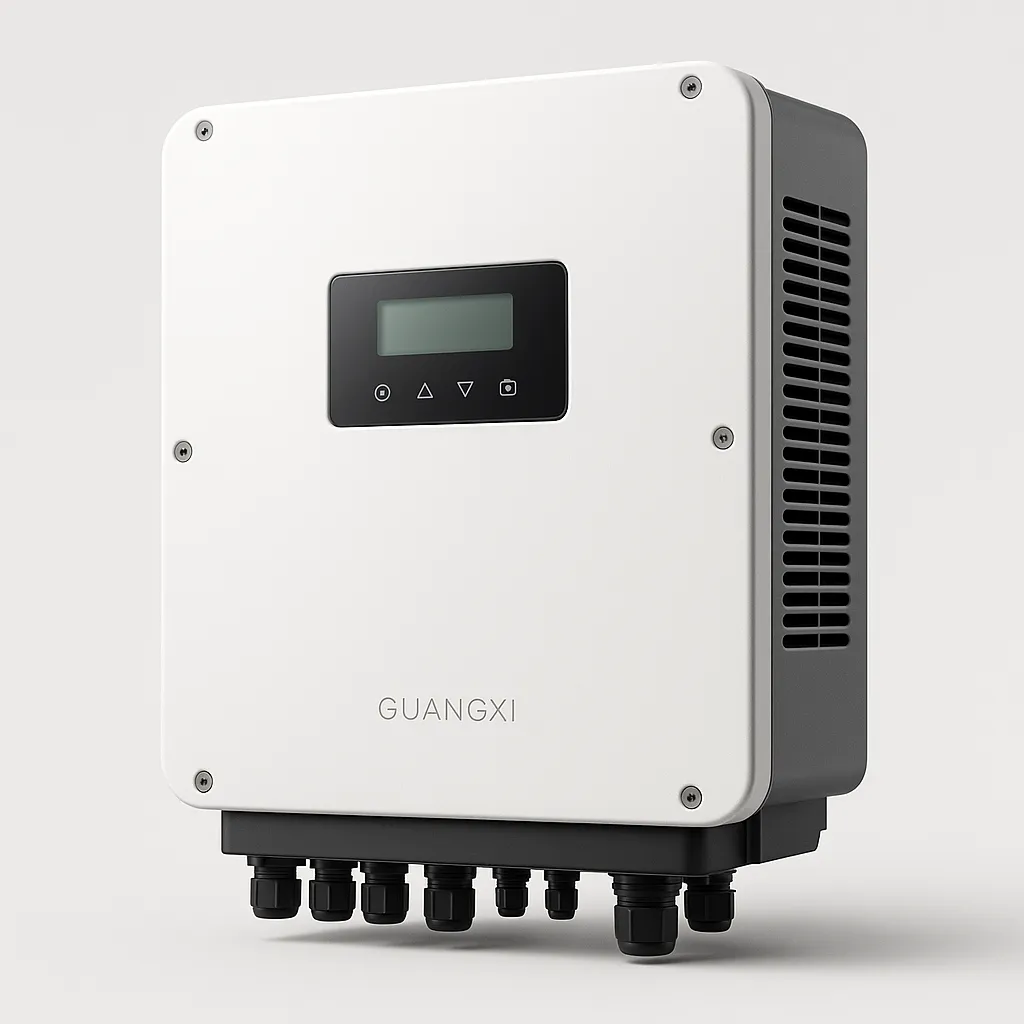
String Inverter: Converts DC power from your solar panels to AC power for your home and the grid. That's it. No batteries, no backup, no storage.
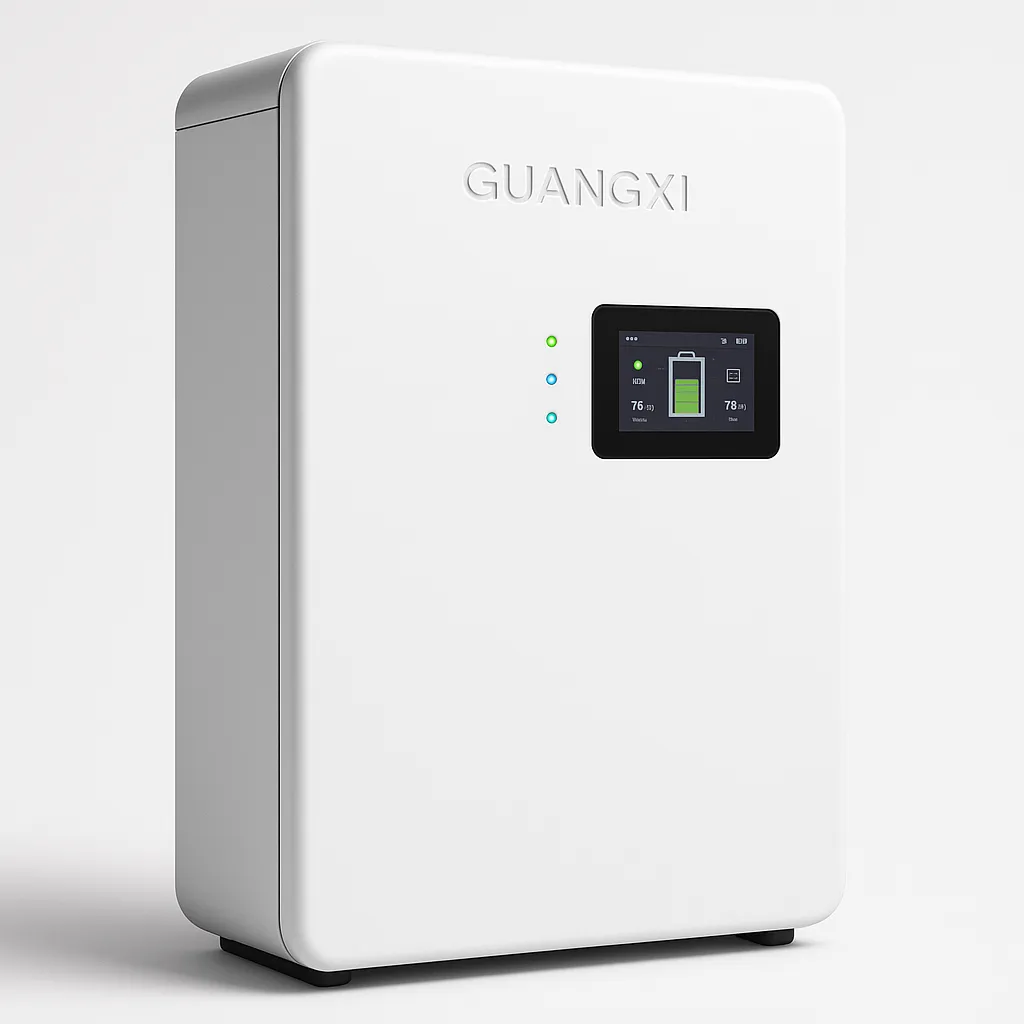
Hybrid Inverter: Does everything a string inverter does, PLUS manages battery charging/discharging, provides backup power during outages, and enables intelligent energy management.
The key distinction: a string inverter is a one-way device (DC→AC). A hybrid inverter is bidirectional—it can also convert AC→DC to charge batteries and manage complex energy flows.
The Battery Question: The Real Decision Point
This is where most comparisons fail. They talk about efficiency and cost without addressing the elephant in the room: batteries.
|
Capability
|
String Inverter
|
Hybrid Inverter
|
|
Solar to Grid
|
✅
|
✅
|
|
Solar to Home
|
✅
|
✅
|
|
Battery Charging
|
❌
|
✅
|
|
Backup Power
|
❌
|
✅
|
|
TOU Optimization
|
❌
|
✅
|
|
Off-Grid Capability
|
❌
|
✅ (with batteries)
|
If you want battery backup—whether for outages, TOU savings, or energy independence—a string inverter literally cannot do the job. You'd need to add a separate battery inverter, which costs more and is less efficient than an integrated hybrid solution.
The "Battery Tax" of AC-Coupled Systems
Here's what nobody tells you: if you install a string inverter now and want to add batteries later, you'll pay a hidden "battery tax."
String inverters produce AC power. Batteries store DC power. To connect them, you need an AC-coupled battery system (like Tesla Powerwall) that converts AC→DC to charge, then DC→AC to discharge. That's two extra conversions, losing 10-15% of your energy in the process.
Hybrid inverters are DC-coupled. Solar DC power flows directly to battery DC storage with zero conversion loss. Round-trip efficiency: 98%+ vs 85-90% for AC-coupled systems.
The financial impact:
|
System Type
|
Battery Cost
|
Conversion Losses
|
10-Year Energy Loss Value
|
|
String + AC-Coupled Battery
|
$12,000+
|
10-15%
|
~$1,500-2,000
|
|
Hybrid + DC-Coupled Battery
|
$5,000-6,000
|
<5%
|
~$500
|
The hybrid approach saves $7,000-8,000 in battery costs and loses 70% less energy over the system lifetime.
When String Inverters Actually Make Sense
I'm not going to pretend hybrid is always the answer. String inverters are the right choice when:
-
You're 100% certain you'll never want batteries (no outages in your area, no TOU rates, no interest in backup)
-
Budget is extremely tight and you need the absolute lowest upfront cost
-
You're in an apartment or condo where battery installation isn't feasible
-
Your utility has excellent net metering (like pre-2023 NEM 2.0 in California)
For everyone else—homeowners who want backup power, TOU savings, or energy independence—hybrid is the financially responsible choice.
The Real Cost Comparison
Let's do honest math with actual numbers:
Option A: String Inverter Only
Option B: Hybrid Inverter (No Battery Initially)
Option C: Hybrid + Battery
-
8kW hybrid inverter: $5,500
-
10kWh LiFePO4 battery: $4,000
-
Installation: $3,000
-
Total: $12,500
The hybrid premium over string-only is $$2,500. But here's the key: that$$2,500 buys you the OPTION to add batteries later without replacing your inverter. If you install a string inverter and later decide you want backup power, you're spending $12,000+ on an AC-coupled battery system—or ripping out your string inverter and buying a hybrid anyway.
Performance Comparison
From our testing lab:
|
Metric
|
String Inverter
|
Hybrid Inverter
|
|
Conversion Efficiency
|
97-98%
|
96-97%
|
|
MPPT Tracking
|
Single or dual
|
Dual independent
|
|
Backup Power
|
None
|
<10ms transfer [TEST-003]
|
|
Surge Capacity
|
N/A
|
2x for 10 seconds [TEST-005]
|
The string inverter has a slight efficiency edge (1-2%) because it's doing less work. But that efficiency advantage disappears the moment you add batteries to the equation—AC-coupled systems lose 10-15% to conversion losses.
The Verdict
If you want battery backup—now or in the future—buy a hybrid inverter. The math is clear:
-
Hybrid + DC battery: ~$12,500 total, <5% conversion losses
-
String + AC battery: ~$17,500+ total, 10-15% conversion losses
The hybrid approach costs $$5,000 less and performs better. For California homeowners under NEM 3.0, the TOU optimization alone can save$$2,000+ annually [CASE-002].
If you're absolutely certain you'll never want batteries, a string inverter will save you $2,500 upfront. But in my experience, most homeowners who say "I don't need backup" change their minds after the first extended outage.