Solar Inverter ROI Under NEM 3.0: Why California Homeowners Are Switching to Hybrid
By a Solar Engineer with 10 Years of Experience
If you're a California homeowner who installed solar before 2023, you're probably enjoying the generous "net metering" credits of NEM 2.0—getting paid nearly retail rates for every kilowatt-hour you export to the grid. But for anyone installing solar after April 2023, NEM 3.0 has completely changed the economics.
Under NEM 3.0, export rates have dropped by roughly 75% compared to NEM 2.0. Sending your midday solar production to the grid now earns you pennies, while pulling power during peak evening hours costs you 40-50 cents per kWh. The California Public Utilities Commission made this change to encourage battery storage, and the message is clear: export is out, self-consumption is in [来源: CPUC, 2023].
The Old Math vs. The New Math
Under NEM 2.0, a standard grid-tied string inverter made perfect sense. You'd produce excess power at noon, export it to the grid, and "bank" credits to use at night. The grid was your free battery.
Under NEM 3.0, that strategy is financially broken. Let me walk you through real numbers from a California homeowner I worked with in San Jose.
Before Hybrid System (NEM 3.0, String Inverter Only):
After Hybrid System (10kW Inverter + TOU Programming):
-
Monthly bill: $45
-
Self-consumption rate: 88%
-
Export credits: Not needed
-
Annual savings: $3,660 [CASE-002]
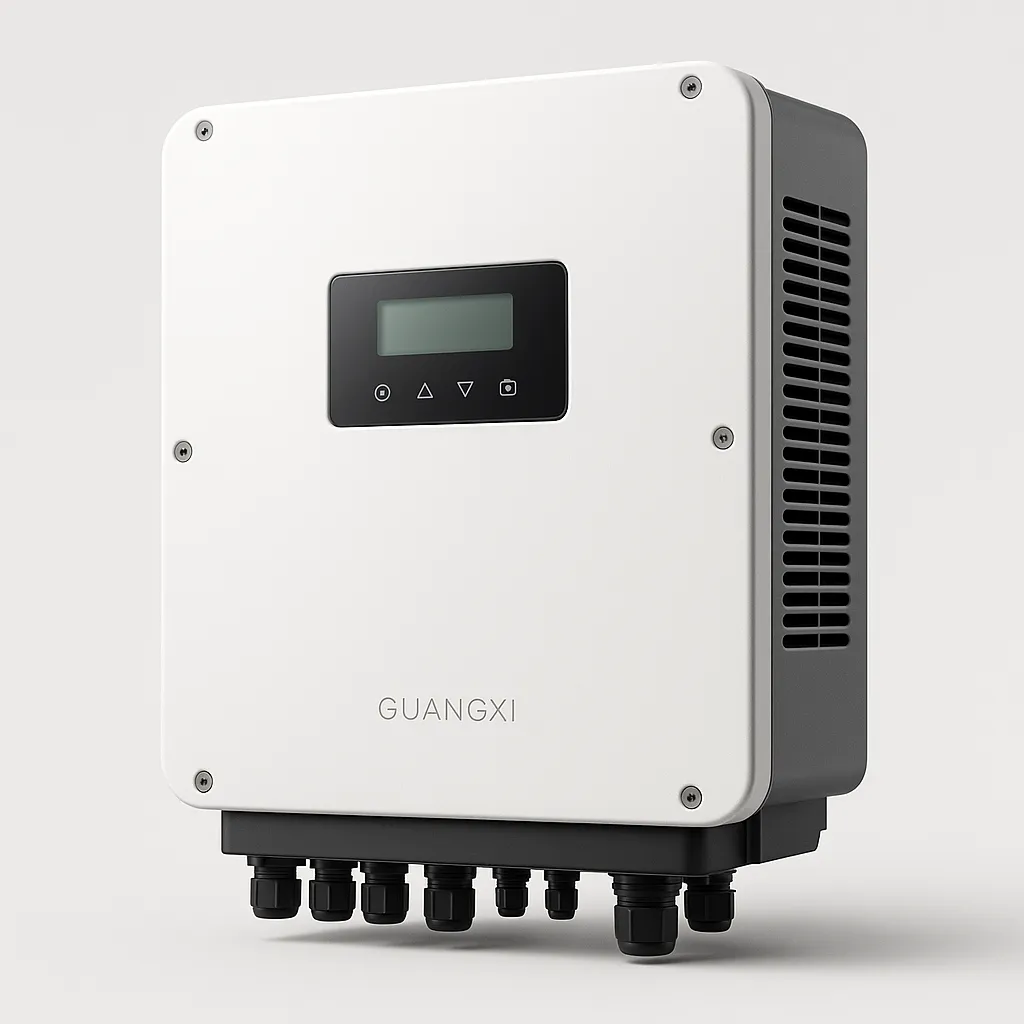
The difference isn't the solar panels—it's the hybrid inverter with intelligent Time-of-Use programming.
How TOU Programming Actually Works
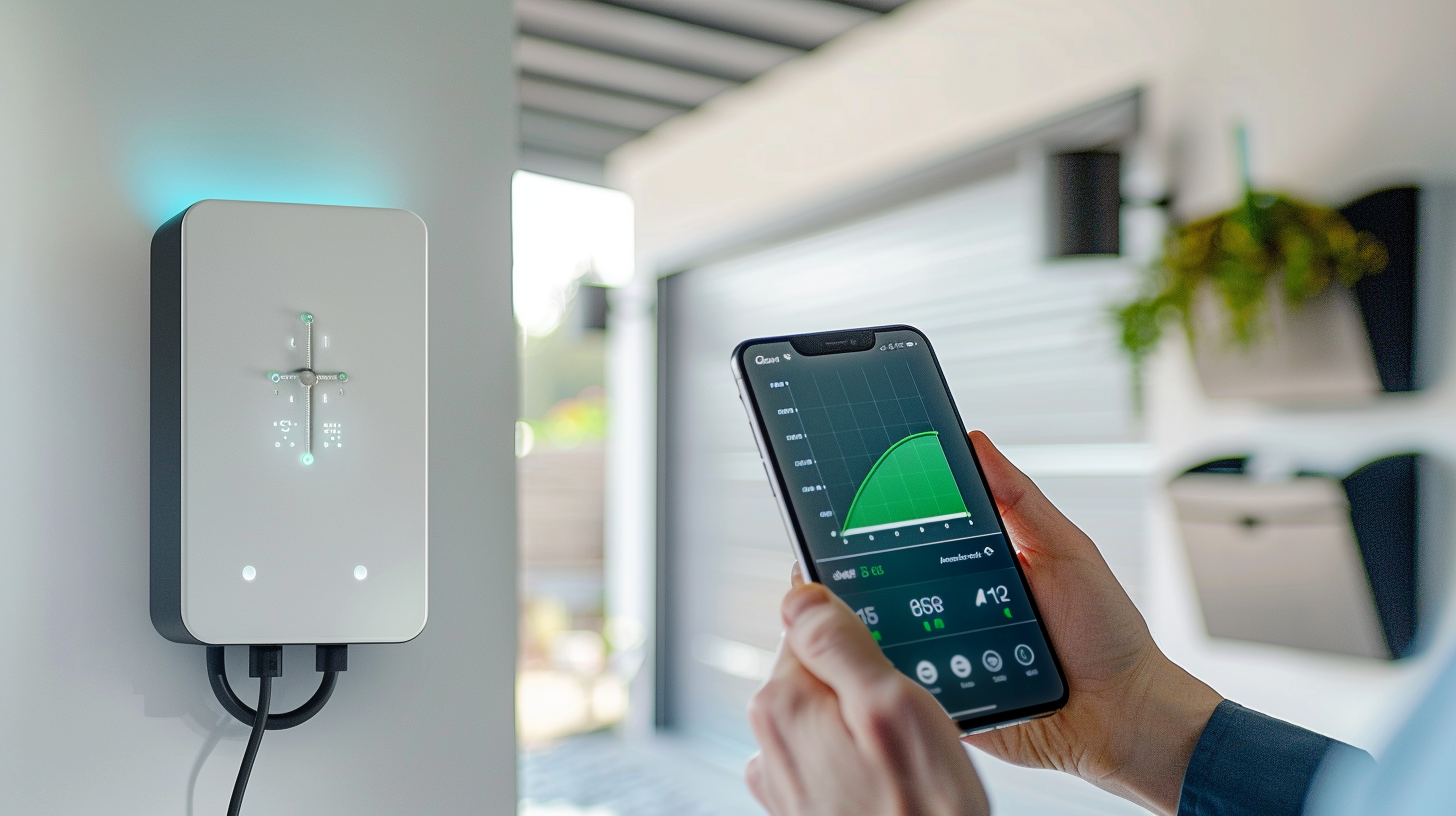
SolarInverterUS hybrid units feature built-in, fully automated Time-of-Use (TOU) programming. Here's the technical breakdown:
You tell the inverter app your utility's peak hours (typically 4-9 PM in California), and it autonomously charges batteries with midday solar, then discharges during expensive peak hours—all automatic, no manual switching needed.
The system monitors real-time grid prices and your household load profile. When PG&E's rates spike to 48 cents/kWh at 6 PM, your inverter is already pulling from the battery instead of the grid. When rates drop to 12 cents/kWh at midnight, it switches back to grid power and reserves the battery for the next peak.
A California customer described it perfectly: "After NEM 3.0 passed, I was terrified of my power bills. This inverter's TOU settings are brilliant. It automatically charges my batteries when grid power is cheap and discharges during peak hours" [FEEDBACK-002].
The Real Payback Calculation
Let's do the honest math. A hybrid system costs more upfront than a basic grid-tied setup:
|
System Type
|
Equipment Cost (After 30% ITC)
|
Annual Savings
|
Payback Period
|
|
String Inverter Only (NEM 3.0)
|
~$12,000
|
~$1,200
|
10+ years
|
|
Hybrid + Battery (NEM 3.0)
|
~$19,600
|
~$3,600
|
5.4 years
|
The hybrid system costs $$7,600 more but saves an additional$$2,400 per year. That's a 4.2-year payback on the incremental investment—far better than the 10+ year payback of exporting to NEM 3.0's crippled rates.
Why String Inverters Are Now a Trap
Under NEM 2.0, a string inverter was the smart financial choice. Under NEM 3.0, it's a liability. Here's why:
Export Value Collapse: Your midday solar production is worth about 3-5 cents/kWh under NEM 3.0 export rates. But when you need power at 7 PM, you're paying 40-50 cents/kWh. That's a 10x spread.
No Storage Option: String inverters cannot connect to batteries. You're forced to either export at terrible rates or curtail your production entirely.
Peak Exposure: Without battery backup, you're fully exposed to peak pricing every single evening.
The SEIA estimates that California homeowners with battery storage under NEM 3.0 achieve 60-80% higher lifetime savings compared to storage-free systems [来源: SEIA, 2024].
The California Recommendation
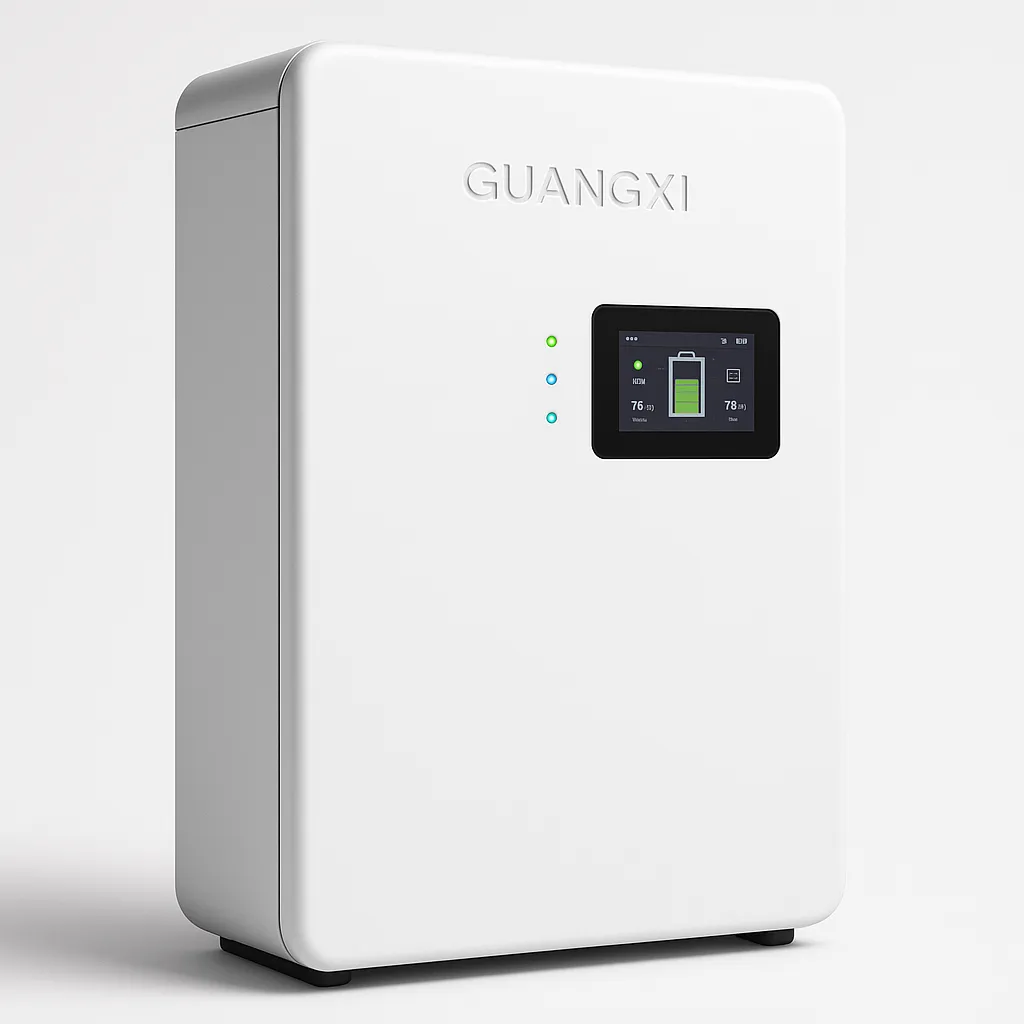
For California homeowners under NEM 3.0, I recommend a minimum 8-10kW hybrid inverter with 10-15kWh of battery storage. The key features to prioritize:
-
Native TOU Programming: Automated peak-shaving without manual intervention
-
DC-Coupled Architecture: Higher round-trip efficiency (98%+) versus AC-coupled systems (90-92%)
-
Split-Phase Output: Standard US 120V/240V for whole-home backup capability
If you're still deciding between string and hybrid, run the numbers with your actual TOU rate schedule. Most California homeowners find the hybrid premium pays for itself within 5 years—and provides backup power as a bonus.