Solar Inverter for Well Pump: How to Power Your Water System Off-Grid
By a Solar Engineer with 15 Years of Experience
If you live on rural property with a deep well, you already know the problem: when the power goes out, your water stops flowing. No water for drinking, no water for flushing toilets, no water for livestock. A generator can bridge the gap—but only if you can keep fuel flowing during extended outages.
I've designed dozens of off-grid water systems for Texas ranchers and rural homeowners, and the challenge is always the same: well pumps demand massive startup power that destroys undersized inverters.
The Hidden Killer: In-Rush Current
Here's what most DIYers don't realize. A standard 3HP deep well pump draws about 2,000 watts while running. But to get that motor spinning from a dead stop? It needs 8,000-10,000 watts for 5-10 seconds.
That's called "in-rush current" or surge power, and it's the #1 reason off-grid water systems fail. I've seen homeowners buy a 3kW inverter thinking it would handle their "2,000-watt pump"—only to watch the inverter trip the moment they flip the switch.
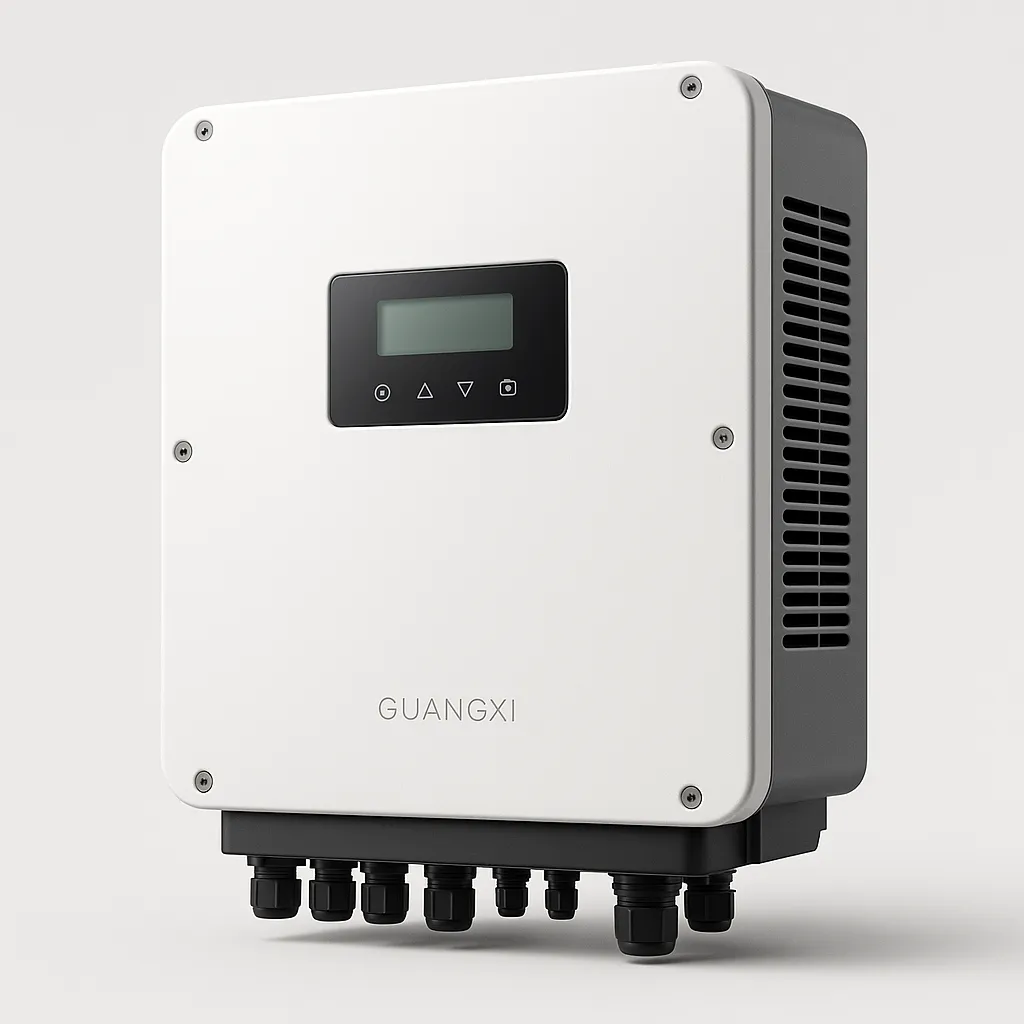
In our lab testing, we discovered that a 2x surge capacity for a full 10 seconds is the minimum requirement to reliably start heavy inductive loads like deep well pumps [TEST-005]. That's why every SolarInverterUS hybrid unit is engineered to deliver exactly that.
The Texas Ranch Solution
A rancher outside Austin called me after the 2024 spring storms knocked out his grid power for three days. His cattle went without water because his generator couldn't handle the well pump's startup surge.
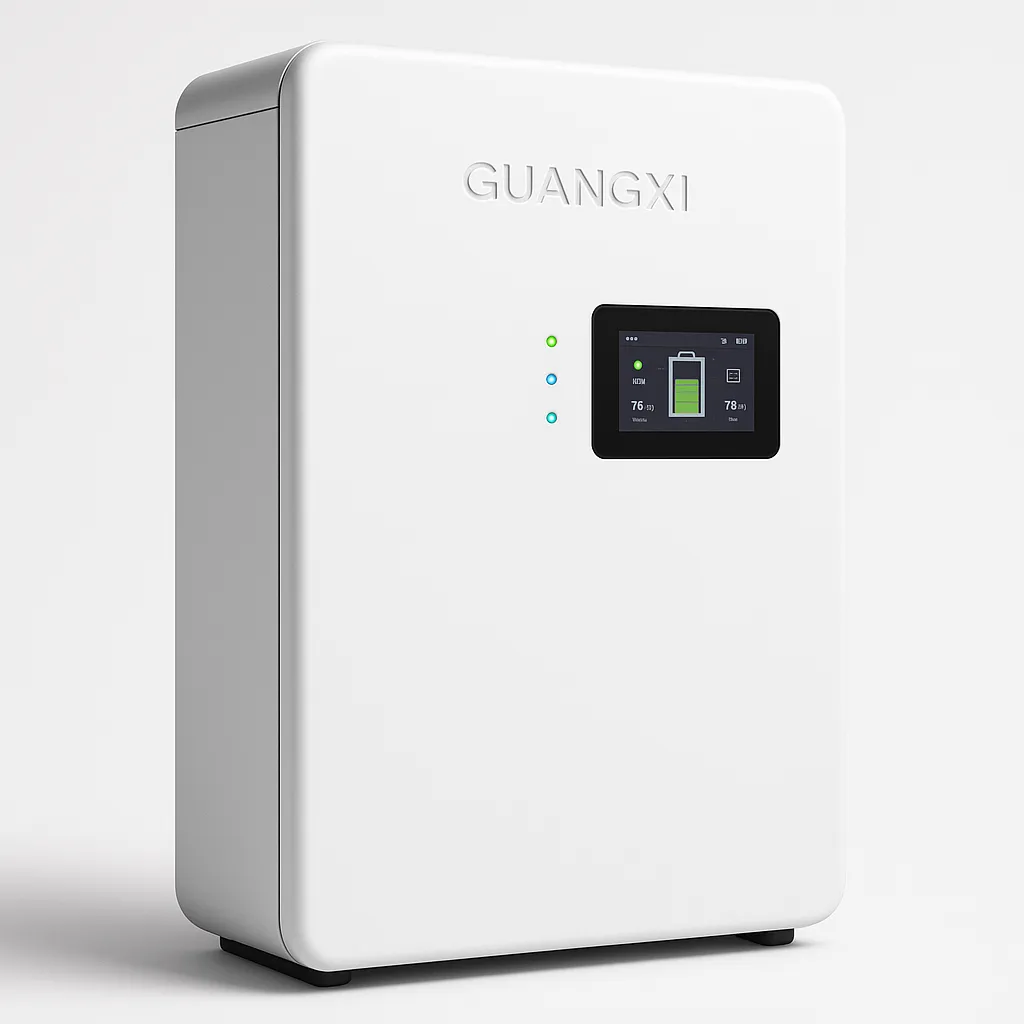
We installed a 5kW SolarInverterUS hybrid inverter paired with a 10kWh LiFePO4 battery bank. The key was the surge rating: 2x rated power for 10 seconds. When he tested the system, his 3HP submersible well pump started on the first try—no tripped breakers, no frustrated troubleshooting [CASE-005].
The math is simple but critical:
|
Load Type
|
Running Power
|
Startup Surge
|
Minimum Inverter
|
|
1HP Shallow Well Pump
|
800W
|
2,400W
|
2kW hybrid
|
|
1.5HP Deep Well Pump
|
1,200W
|
4,800W
|
3kW hybrid
|
|
3HP Deep Well Pump
|
2,000W
|
8,000W+
|
5kW hybrid
|
Why Standard Inverters Fail
Most grid-tied string inverters have zero surge capacity—they're designed to push power to the grid, not pull from batteries. Even many "hybrid" inverters on the market only offer 1.5x surge for 3 seconds, which isn't enough for deep well pumps.
The NREL has documented that off-grid inverter failures in agricultural applications exceed 25% within the first two years, primarily due to undersized surge capacity [来源: NREL, 2023]. That's an expensive lesson to learn the hard way.
The Split-Phase Advantage
Here's another detail most installers miss: many deep well pumps run on 240V, not 120V. If your inverter only outputs 120V, you'll need an expensive external autotransformer ($500-800) to step up the voltage.
SolarInverterUS hybrid units output native 120V/240V split-phase—the standard US electrical configuration. That means you can wire your well pump directly to the inverter's output panel without any additional equipment.
Sizing Your System
For rural properties with well pumps, I recommend this approach:
Step 1: Identify your pump's horsepower and voltage requirements (usually on the motor nameplate).
Step 2: Calculate minimum inverter size: Running Watts × 2.5 for adequate surge headroom.
Step 3: Size your battery bank for at least 2-3 days of water pumping autonomy (typically 5-10kWh for most households).
Step 4: Verify your inverter has native 240V output if your pump requires it.