EN
2026/03/17
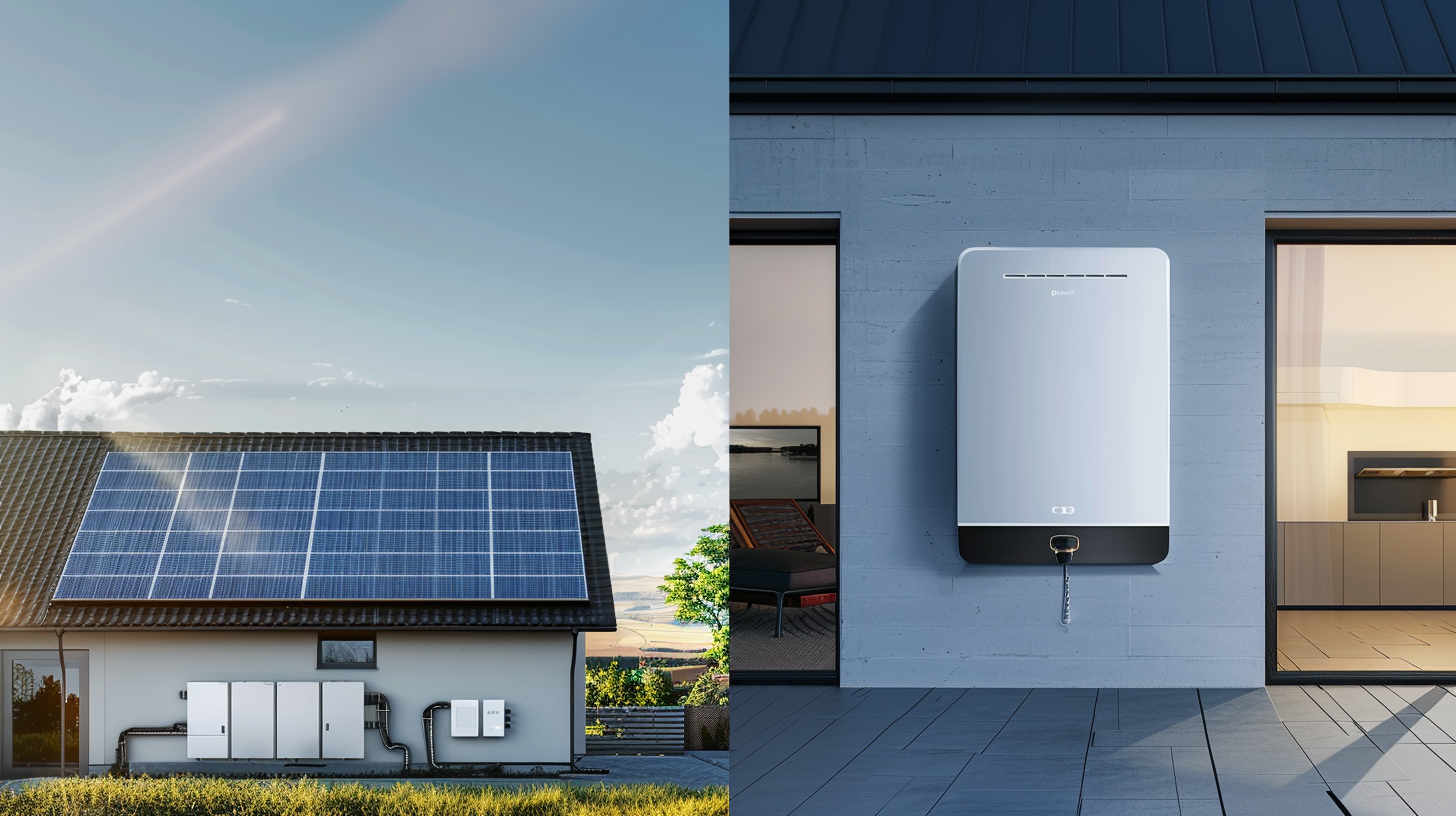
When power goes out, grid-tied inverters automatically turn themselves off to stop electricity from flowing back into the grid. This leaves tiny houses disconnected from any power source exactly when they need it most. These inverters don't have the circuitry needed to charge batteries either, so there's no way to tap into stored energy reserves. Plus, they struggle with the kind of unpredictable energy demands that come with small space living where appliances often kick on and off at random intervals. Anyone wanting real energy independence needs an inverter designed specifically for off-grid operation. Look for models that can operate independently (what's called islanding) and work well with battery storage systems something standard grid-connected inverters simply aren't built to handle.
Use this three-step method:
| Appliance | Running Watts | Surge Watts |
|---|---|---|
| Mini-Fridge | 150 | 600 |
| Mini-Split AC | 800 | 2,400 |
| Shallow Well Pump | 500 | 1,500 |
Total continuous load: 1,450W
Highest surge: 2,400W
Your inverter’s continuous rating must exceed 1,450W; its surge capacity must cover at least 2,400W. Always add a 20% buffer for voltage drops, aging components, and future additions.
A tiny house powered by 300W solar panels and a 5kWh lithium battery bank runs:
Continuous load: 1,250W
Peak surge: 800W
A 1.2kW pure sine wave inverter operates at ~70% capacity under typical load—well within safe margins—and handles pump startups with ample surge headroom (typically 2–3× rated power). This sizing avoids overinvestment while ensuring stable performance during extended low-sun periods.
Modified sine wave inverters produce what's called a stepped waveform pattern, which has quite a bit of harmonic distortion. This often results in annoying hums coming from things like speakers, fans, and transformers when they're connected. For laptops, certain medical equipment, and gadgets that control speed variables, there are issues too. They experience voltage spikes along with unpredictable switching behavior that can really shorten their life expectancy. Refrigerator motors and pump motors tend to operate around 15 to maybe even 20 percent hotter than normal when running off these inverters. That kind of heat takes a toll on components over time, cutting down their useful life by almost half in some cases. All these inefficiencies mean batteries get drained much quicker than expected. This matters a lot for people relying on off grid solar power setups because each and every watt hour becomes extremely valuable resource in those situations.
When it comes to tiny houses, pure sine wave inverters are essential because they produce clean AC power with total harmonic distortion below 3%. This quality level has become practically mandatory for today's compact living spaces. Mini split air conditioning units rely on induction motors that work best when supplied with smooth, uninterrupted electricity, which means less wasted energy over time. Certain devices just won't function properly without this kind of power supply. Think about CPAP machines for sleep apnea treatment, specialized battery chargers for lithium packs, or those variable frequency drives used in various applications around the home. These all need clean sine waves to avoid damage and ensure proper operation. Choosing an inverter that maintains THD under 3% makes a big difference for off grid solar systems in tiny homes. Not only does it prevent those gradual efficiency drops that can add up to over 20% loss each year, but it also helps extend the lifespan of delicate electronic components by anywhere from two to three years.
An inverter charger brings together several functions like converting electricity, charging batteries, and managing generator or shore power all in one box. This cuts down on extra equipment that would otherwise take up precious room. These units handle switching between different power sources automatically so people don't have to mess with anything when there's bad weather for days on end. The wiring becomes much simpler compared to having everything separate, maybe around 40% less complicated according to some estimates. Plus, most modern systems come with screens that show exactly how charged the batteries are, what kind of power is coming in, and even warn about problems before they become serious issues. For folks living in small spaces like tiny homes where every square inch counts and dependable power is essential, getting everything integrated makes life easier and the whole setup more robust against outages.
When looking to expand an existing system, saving money matters, or keeping things simple, go with a standalone inverter. No need to spend extra on built-in charging features if the battery bank already has smart charging solutions like an MPPT controller. Same goes for setups that only use solar panels without any backup from generators or shore power connections. These standalone models work great for applications where there isn't much sudden power draw, such as running LED lights, ventilation fans, and little DC devices around the house. Most of these run fine under 1000 watts maximum. Plus, they make fixing problems easier since one component failing doesn't bring down the whole system. For folks setting up basic off-grid living powered just by sun, standalone inverters provide reliable electricity without breaking the bank initially.
When setting up a tiny house off grid system, getting the right solar inverter means matching it exactly to what voltage the battery bank runs at. Getting this wrong can cause serious problems like fires, parts blowing up, or permanent damage to equipment. Take note that if someone connects a 24 volt battery bank to a 12 volt inverter, they're basically asking for trouble because the circuits inside just can't handle it. Most people who go off grid find that 48 volts works best for small installations. Why? Because when going from 12 volts to 48 volts, the amount of current drops about three quarters which means much less energy gets lost as heat. Plus, the wires needed are thinner, lighter weight, and cheaper overall. Lithium batteries especially work well with these 48 volt systems since stacking fifteen 3.2 volt cells gives around 48 volts total. Lead acid batteries usually need different approach where multiple batteries are connected side by side instead of end to end. Before turning anything on though, double check that the inverter specs match perfectly with what the battery manufacturer says about acceptable voltages for their particular type of battery chemistry.
Grid-tied inverters are unsuitable because they shut off during power outages and lack the circuitry needed to charge batteries, making them impractical for off-grid use where continuous and independent power supply is critical.
Pure sine wave inverters produce clean power with lower harmonic distortion, making them suitable for sensitive electronics. Modified sine wave inverters can cause noise, electronics failure, and reduce the lifespan of devices.
Inverter-chargers combine multiple functionalities in one unit, saving space and simplifying wiring. They automatically switch between different power sources, adding robustness to the system against power outages.
Ensure the inverter's voltage matches the battery bank's voltage to avoid damage. Most off-grid systems work best at 48 volts, providing efficiency and compatibility with lithium batteries.