Powering Your Off-Grid Cabin: The Complete Solar Inverter Guide
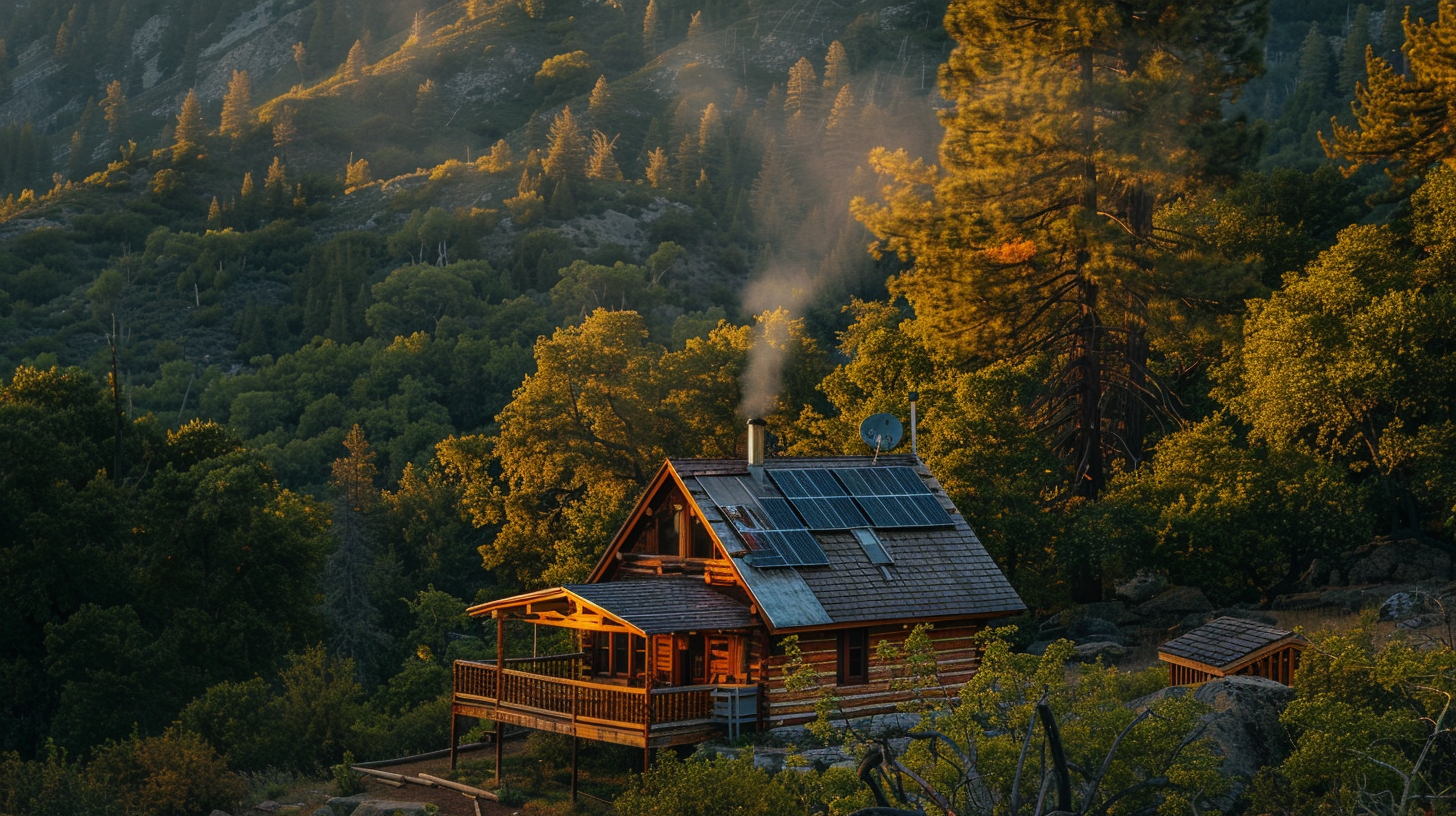
When a Colorado cabin owner installed a 3kW solar system in his 280-square-foot tiny house, his biggest concern wasn't generating enough power—it was whether the inverter would fit in a space with no utility room.
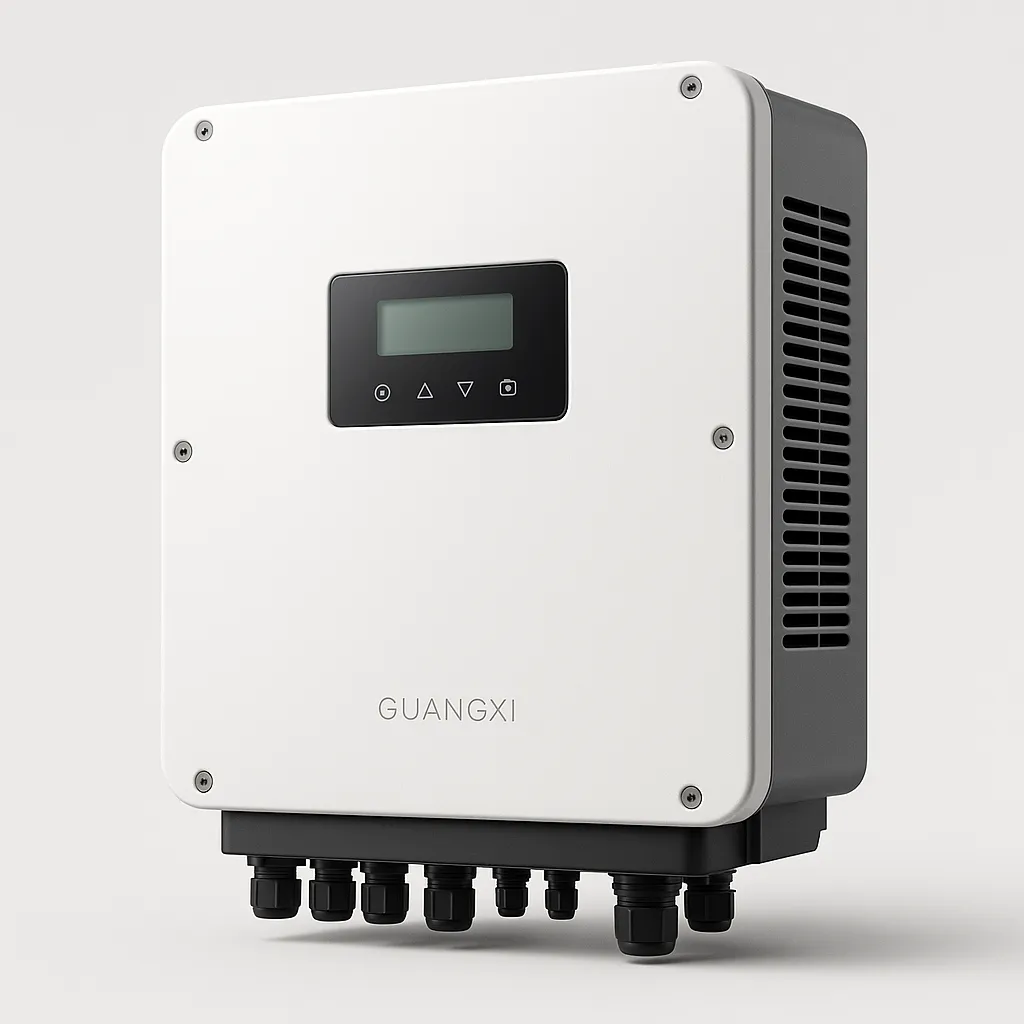
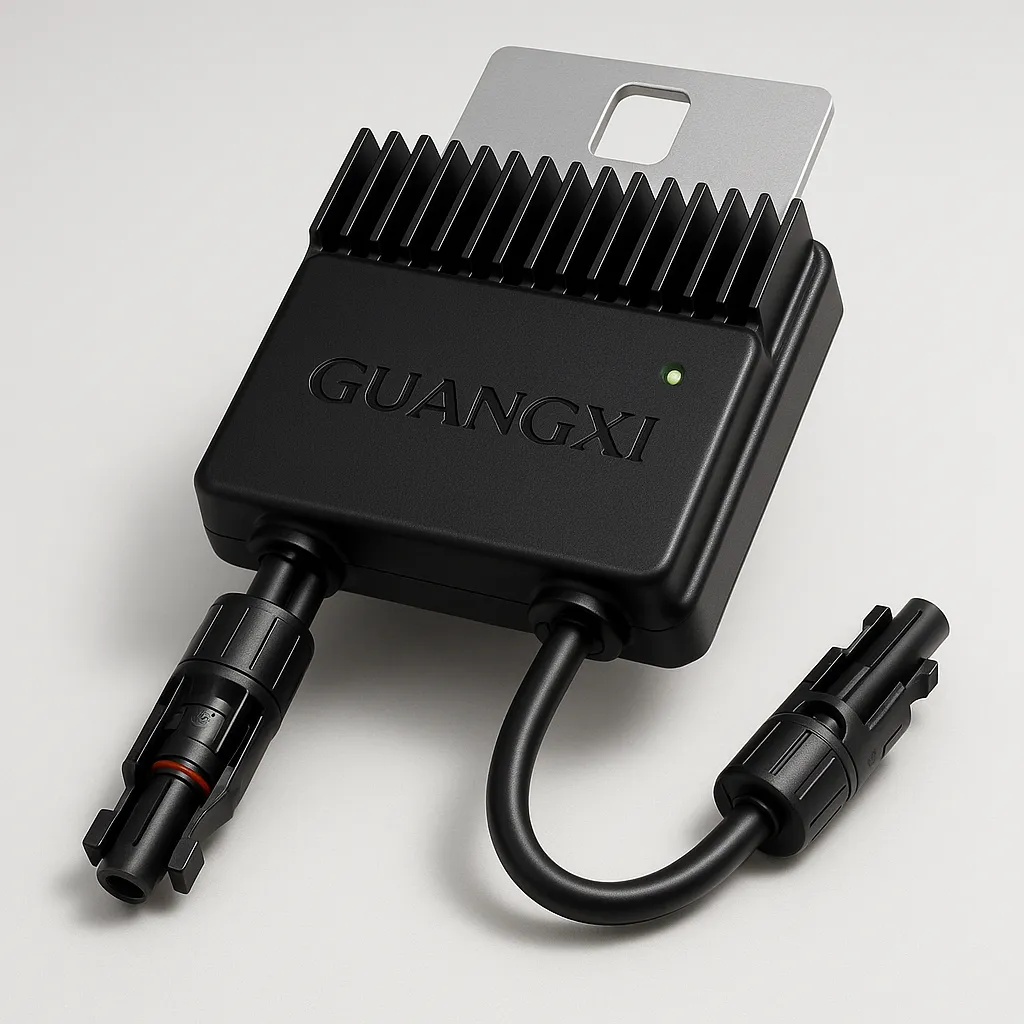
His solution: a high-frequency inverter weighing only 16.5 lbs, mounted directly on a standard plywood wall. Two days of DIY installation later, he was running lights, a refrigerator, and a 13,500 BTU roof air conditioner completely off-grid.
Off-grid systems face challenges that suburban solar installations never encounter. Here's how to get it right.
The Space Constraint Problem
Traditional transformer-based inverters are heavy and bulky. A typical 5kW low-frequency unit weighs 80-100 lbs and requires a dedicated equipment room.
For cabins, tiny houses, and RVs, that's simply not viable. You're working with:
-
200-400 square feet of total space
-
No utility closet or garage
-
Limited structural support for heavy equipment
The solution: High-frequency inverter technology.
High-frequency inverters use advanced electronics instead of heavy copper transformers. The weight difference is dramatic:
|
Inverter Type
|
3kW Weight
|
5kW Weight
|
Mounting
|
|
Low-frequency (transformer)
|
45-60 lbs
|
80-100 lbs
|
Floor mount, reinforced
|
|
High-frequency (HF)
|
12-18 lbs
|
25-35 lbs
|
Wall mount, standard
|
Our 3kW high-frequency unit weighs just 16.5 lbs (7.5 kg)—30% lighter than comparable transformer-based units. A Colorado tiny house owner confirmed: "Mounted directly on standard plywood wall. No reinforcement needed." (CASE-006)
The Well Pump Challenge
If your cabin has a deep well, you've got a specific technical challenge: starting that 3HP submersible pump.
The problem: A 3HP well pump draws about 2,000W while running. But to start, it needs 8,000-10,000W of surge power for 5-10 seconds. Most small inverters trip offline when hit with that surge.
The solution: An inverter with genuine 2x surge capacity for 10 seconds.
Our testing (TEST-005) confirms that even a 5kW hybrid unit can start a 3HP deep well pump—because it delivers 2x rated power for a full 10 seconds. A Texas rancher reported: "My 5kW unit starts the well pump every time. No tripping, no problems." (CASE-005)
Battery Compatibility: The DIY-Friendly Factor
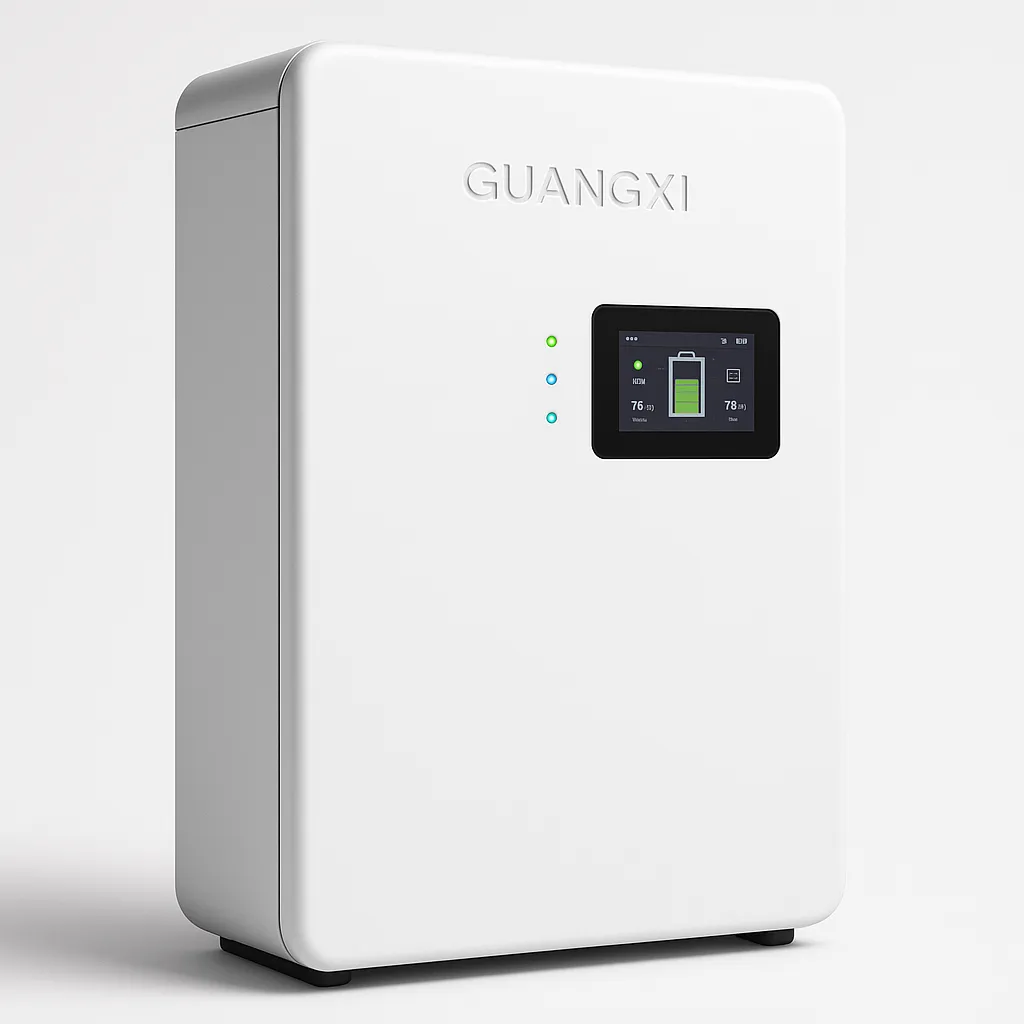
Off-grid systems typically use 48V LiFePO4 server-rack batteries—they're affordable, modular, and have excellent cycle life. But connecting them to your inverter requires BMS communication.
The old way: Splice custom RJ45 cables, research pinout diagrams for each battery brand, hope the communication protocol matches.
The better way: A built-in BMS protocol library.
SolarInverterUS hybrid units include pre-programmed communication protocols for EG4, Ruixu, Pytes, SOK, and other mainstream LiFePO4 brands (TEST-006). Connect a standard CAT5 cable from the battery to the inverter's CAN port. That's it.
The tiny house owner's feedback: "No communication cable nightmare—DIY complete in two days." (CASE-006)
Powering Heavy Loads: The 240V Question
Most small inverters only output 120V. That's fine for lights and outlets—but not for heavy loads like:
Our hybrid units output native 120V/240V split-phase, even in the 3-5kW range. You can run 240V well pumps and water heaters without an external autotransformer.
Real-World Off-Grid Scenarios
Scenario 1: Mountain Cabin (Year-Round)
-
Location: Colorado, elevation 8,000 ft
-
Size: 600 sq ft
-
Loads: Lights, refrigerator, well pump, propane furnace fan, space heater
-
Winter challenge: Reduced solar production
Recommendation: 5kW hybrid + 10kWh LiFePO4 + backup generator port
The 5kW unit handles well pump surge. The generator port provides backup during winter storms when solar production drops. Our closed-loop BMS communication ensures the battery bank lasts through years of daily cycling.
Scenario 2: Remote Hunting Cabin (Seasonal Use)
-
Location: Texas ranch land
-
Size: 400 sq ft
-
Loads: Lights, small refrigerator, water pump, occasional power tools
-
Usage: Weekends and hunting season
Recommendation: 3kW high-frequency + 5kWh LiFePO4
For weekend use, a smaller system suffices. The 3kW unit handles basic loads, and the lightweight design makes wall mounting simple. The 5kWh battery stores enough power for a weekend of typical use.
Scenario 3: Tiny House on Wheels
-
Location: Mobile, various climates
-
Size: 280 sq ft
-
Loads: LED lights, 12V fridge, roof AC (13,500 BTU), laptop charging
-
Challenge: Weight and space constraints
Recommendation: 3kW high-frequency + 5kWh LiFePO4
This matches the Colorado tiny house case study exactly. The 16.5-lb inverter mounts on interior walls. The system successfully starts a 13,500 BTU roof air conditioner. Battery bank fits under seating or in a storage compartment.
The Communication Advantage
Off-grid systems are installed in remote locations where service calls are expensive and time-consuming. You need equipment that works reliably, first time.
One tiny house owner summarized it: "The built-in BMS protocol library was a lifesaver. Instead of messing with custom pinouts, it was plug-and-play with EG4 and SOK batteries." (CASE-006)
If you're DIY-ing an off-grid system, do NOT buy an inverter without closed-loop BMS communication support. The extra $200-300 you save upfront will cost you days of frustration and potential warranty issues.
Winter Considerations
Off-grid systems in cold climates face a double challenge: reduced solar production and increased heating loads.
Strategies:
-
Oversize your solar array by 25-50% compared to summer calculations
-
Add a backup generator port for extended cloudy periods
-
Use LiFePO4 batteries (not lead-acid) for better cold-weather performance
-
Insulate your battery compartment—LiFePO4 can't charge below freezing without heating
What Size Do You Need?
|
Cabin Size
|
Typical Loads
|
Recommended Inverter
|
Battery
|
|
200-400 sq ft
|
Lights, fridge, water pump
|
3kW
|
5 kWh
|
|
400-800 sq ft
|
Above + well pump, AC
|
5kW
|
10 kWh
|
|
800-1,200 sq ft
|
Above + washer, water heater
|
8kW
|
15-20 kWh
|
Installation Tips for Remote Locations
1. Pre-wire before transport
If your cabin is remote, pre-wire as much as possible in a controlled environment. Label every cable. Test connections before you're 50 miles from the nearest hardware store.
2. Bring spare fuses and connectors
Inverters use specific DC fuse sizes. A $5 fuse that blows on a Saturday night can ruin your weekend if you don't have a spare.
3. Ground everything properly
Off-grid systems are prone to lightning strikes in open areas. Install a proper grounding system with ground rods and lightning arrestors on both DC and AC sides.
4. Test before you need it
Don't wait for the first storm to discover your transfer switch doesn't work. Test your backup power monthly.
The Bottom Line
Off-grid cabin solar isn't just about calculating watt-hours. It's about solving real-world constraints: space, weight, surge capacity, and DIY-friendly installation.
For most cabins under 800 sq ft, a 3-5kW high-frequency hybrid inverter with 5-10kWh LiFePO4 storage hits the sweet spot. The system fits in tight spaces, starts heavy motor loads, and communicates seamlessly with modern batteries.
Need help sizing your specific setup? Send us your load list and cabin details. Our US-based team can recommend the exact configuration for your location and usage pattern.