Best Solar Inverter for Hurricane Zones: What Florida Homeowners Actually Need
By a Solar Engineer with 12 Years of Experience
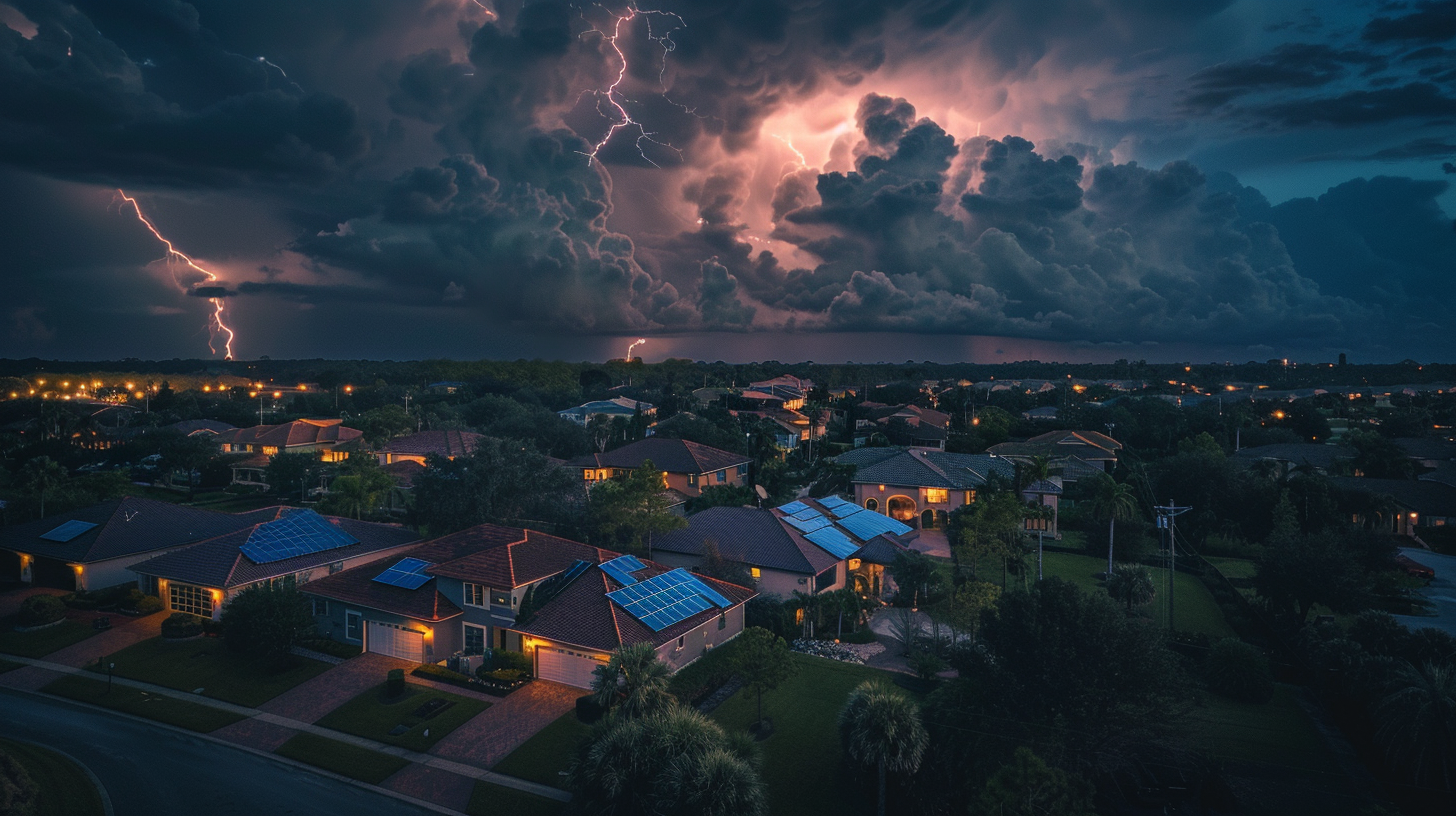
When Hurricane Milton slammed into Florida's Gulf Coast in 2024, over 2 million homes lost power—some for nearly a week. I've spent the last decade designing backup power systems for coastal homeowners, and the pattern is always the same: people buy generators, struggle to find fuel during the storm, then watch their frozen food spoil while waiting for the grid to recover.
There's a better way. A properly sized hybrid solar inverter with battery storage doesn't just survive hurricanes—it keeps your critical loads running without the fuel-hunting nightmare.
What Makes Hurricane Zones Different
Florida homeowners face three distinct challenges that most solar installers ignore:
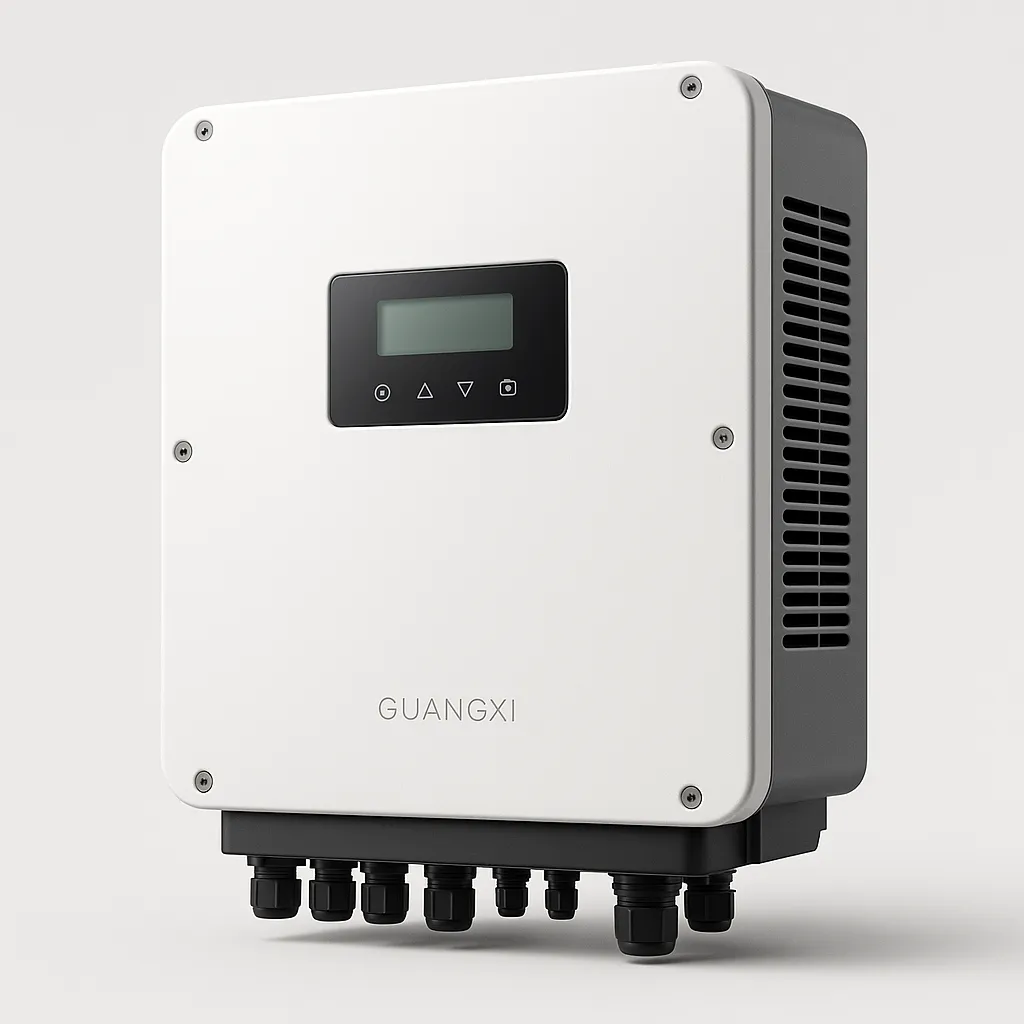
Salt Air Corrosion: Coastal environments eat through standard electronics. The NREL has documented that inverter failure rates in coastal areas can reach 15-20% within 5 years due to salt mist intrusion [来源: NREL, 2024]. That's why we engineered SolarInverterUS units with IP65/NEMA 4X certification—sealed against salt spray and driving rain, designed for direct outdoor mounting without a secondary enclosure.
Extended Outages: Unlike the typical 2-4 hour grid flickers, hurricane outages routinely last 3-5 days. A Tampa homeowner I worked with after Hurricane Milton had his 12kW hybrid inverter paired with a 20kWh battery bank running his refrigerator, window AC units, and lighting for 36 hours straight [CASE-004]. The transfer time? Under 10 milliseconds—his TV didn't even flicker when the grid dropped [TEST-003].
Fuel Scarcity: During the 2024 hurricane season, gas stations across Florida closed because they had no power to run their pumps. A solar inverter's "fuel" arrives automatically every morning.
The Critical Specs That Matter
Forget the marketing fluff. Here's what actually determines whether your system survives a hurricane:
|
Specification
|
Why It Matters
|
Our Performance
|
|
IP Rating
|
Prevents salt/rain intrusion
|
IP65/NEMA 4X [CASE-004]
|
|
Transfer Time
|
Seamless backup transition
|
<10ms [TEST-003]
|
|
Surge Capacity
|
Starts heavy loads during outage
|
2x for 10 seconds [TEST-005]
|
|
Split-Phase Output
|
Runs 240V AC and well pumps
|
Native 120V/240V
|
The surge capacity spec is critical. When a Florida homeowner tried running his 3HP well pump during a grid outage, most inverters would trip on the startup surge. Our 5kW hybrid unit delivered 2x surge power for a full 10 seconds—enough to get that pump spinning without throwing a breaker [TEST-005].
Real Installation: The Tampa Setup
A homeowner in Tampa's Carrollwood neighborhood called me two weeks before hurricane season. His priority was simple: keep the essentials running without becoming a "generator refugee" hunting for gas.
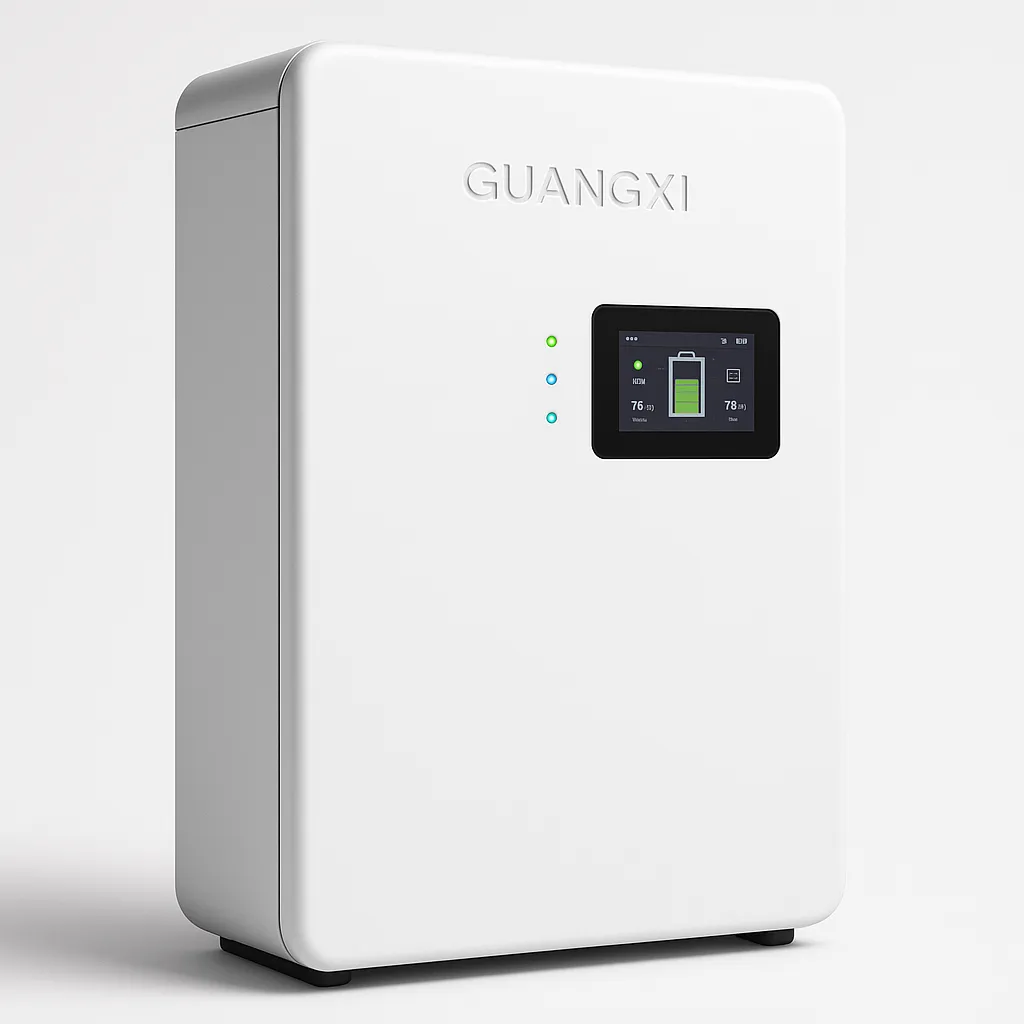
We installed a 12kW SolarInverterUS hybrid inverter directly on his exterior wall—no indoor utility room needed thanks to the IP65 rating. Paired with a 20kWh LiFePO4 battery bank, the system was designed to handle his refrigerator, a window AC unit, lighting, and device charging for 36+ hours of grid-down operation.
When Milton hit, the grid died at 9 PM. His family didn't notice until they checked their phones. The inverter's automatic transfer switch kicked in so fast that his Wi-Fi router stayed online and his digital clocks didn't reset [CASE-004].
The Florida Recommendation
For Florida's hurricane corridor (Tampa to Miami), I recommend nothing smaller than an 8-12kW hybrid inverter with at least 15-20kWh of battery storage. The 240V split-phase output is non-negotiable—it's what lets you run central AC blowers and well pumps during extended outages.
If you're still sizing your system, shoot our US-based tech team an email with your critical load list. We'll help you calculate the exact capacity you need before the next storm season arrives.