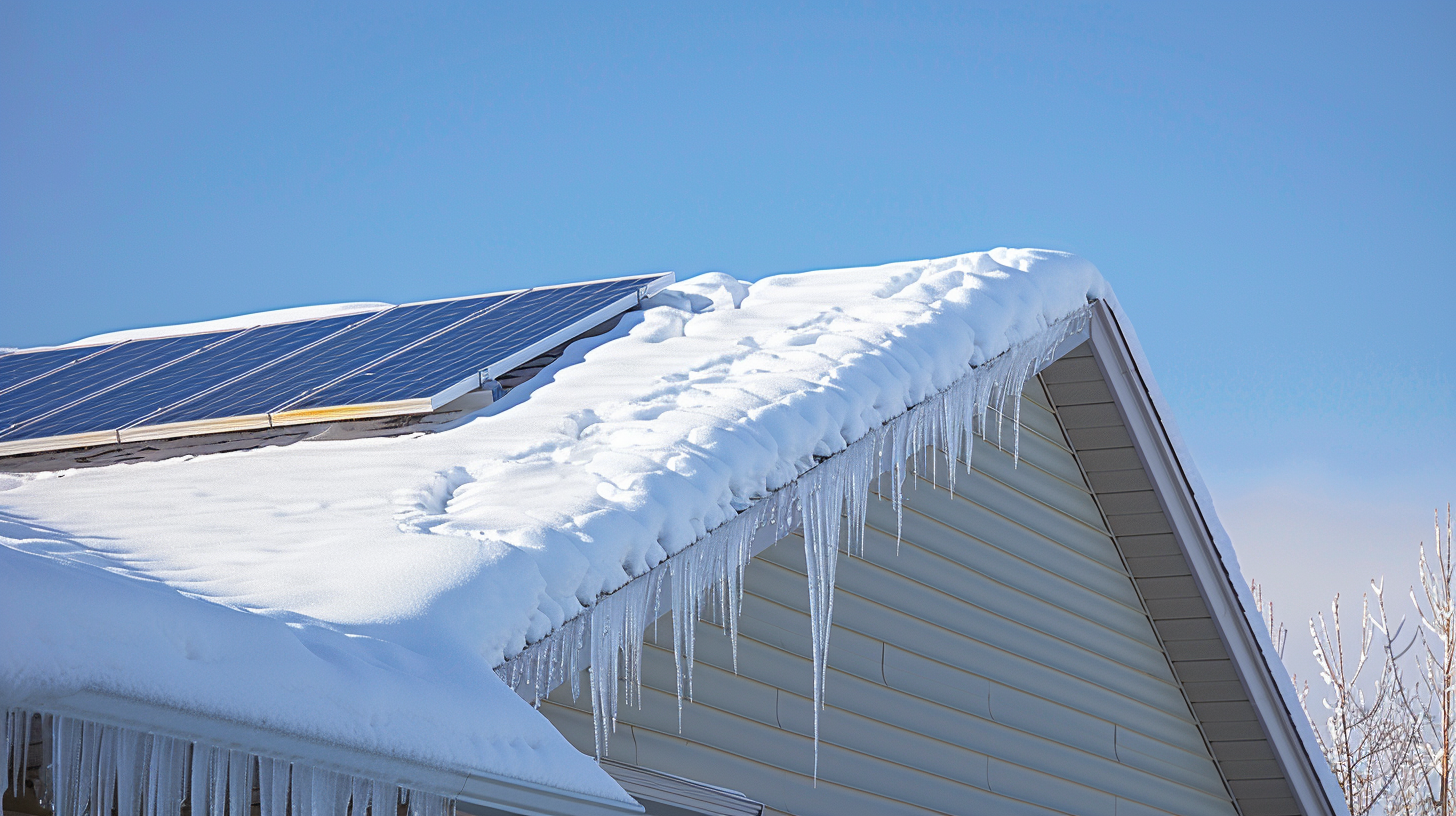
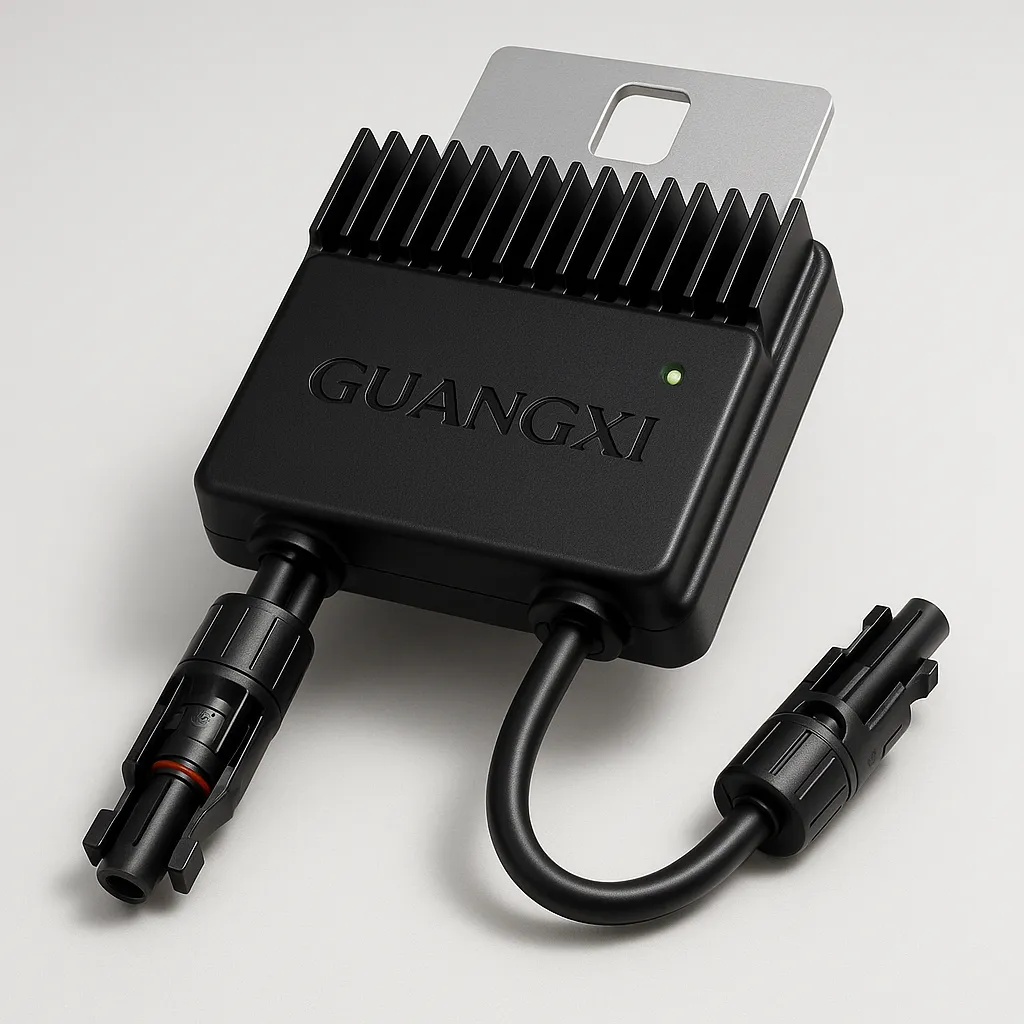
When I installed my solar system in Minnesota, friends asked: "How does it work in the winter?" Four winters later — including a -32°F night — I can tell you: solar works in cold climates.
The Surprising Truth
Solar panels produce MORE power in cold weather.
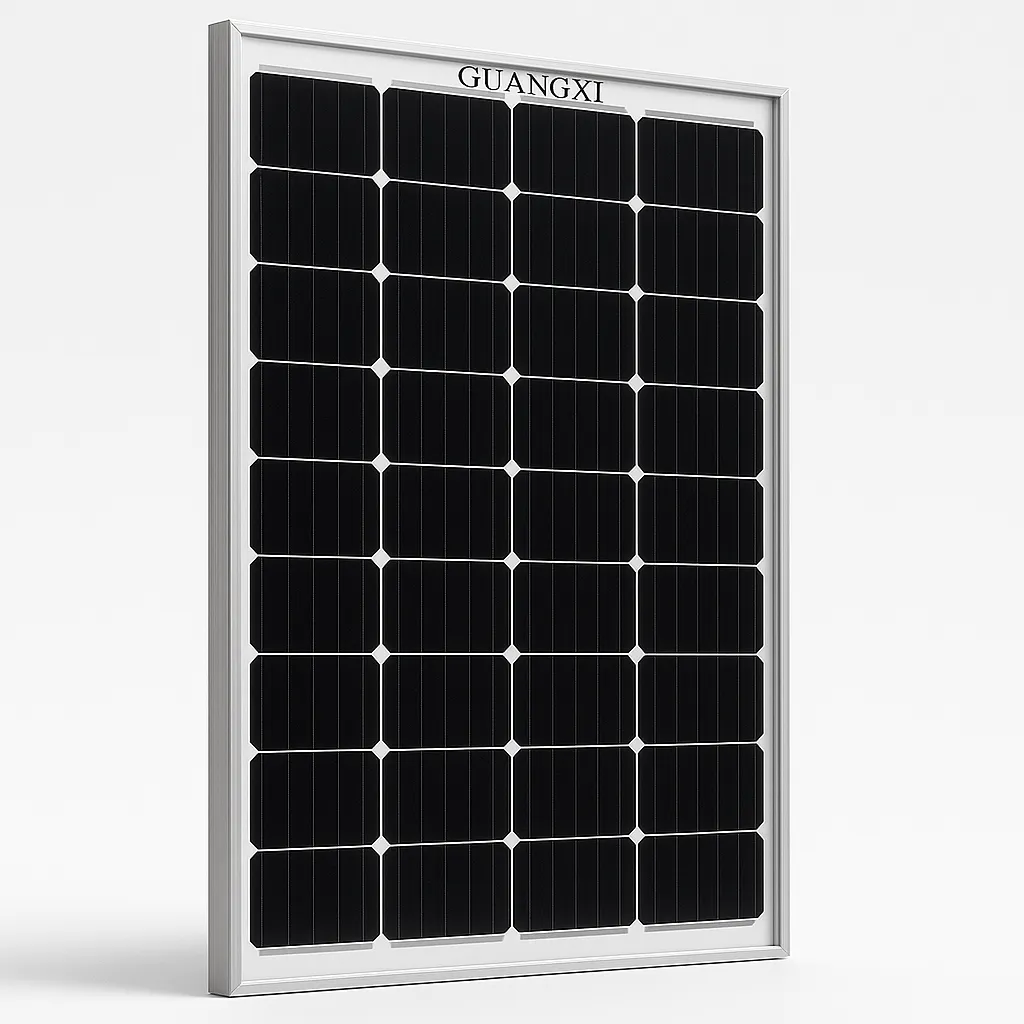
Solar cells are semiconductors. They lose efficiency as temperature rises. At 30°F, my panels produce about 10% more power than at 90°F.
Inverter Temperature Ratings
|
Rating
|
What It Means
|
|
-13°F to 113°F
|
Standard, good for most climates
|
|
-22°F to 122°F
|
Extended range, ideal for extreme cold
|
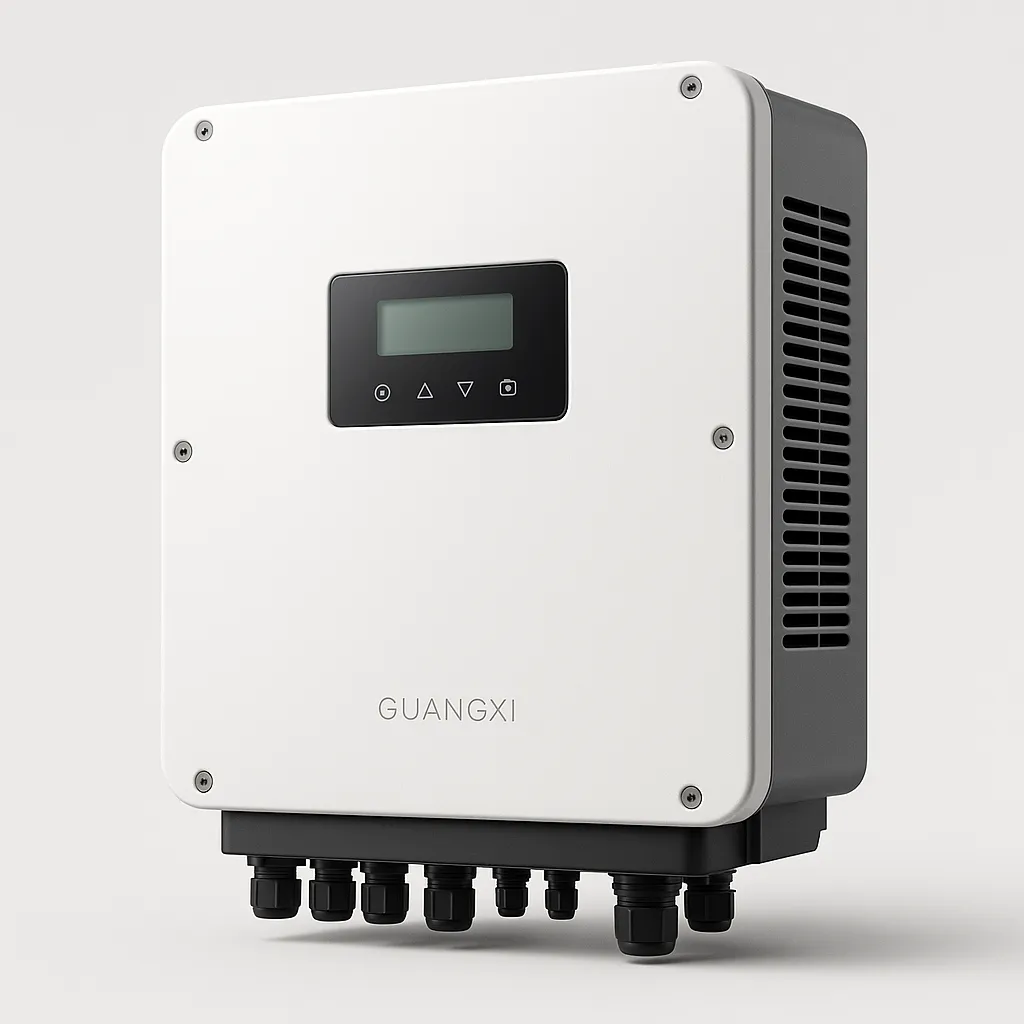
My inverter: Rated to -25°C (-13°F). We've seen -36°C (-32°F) here.
Cold Climate Installation
Inverter Location
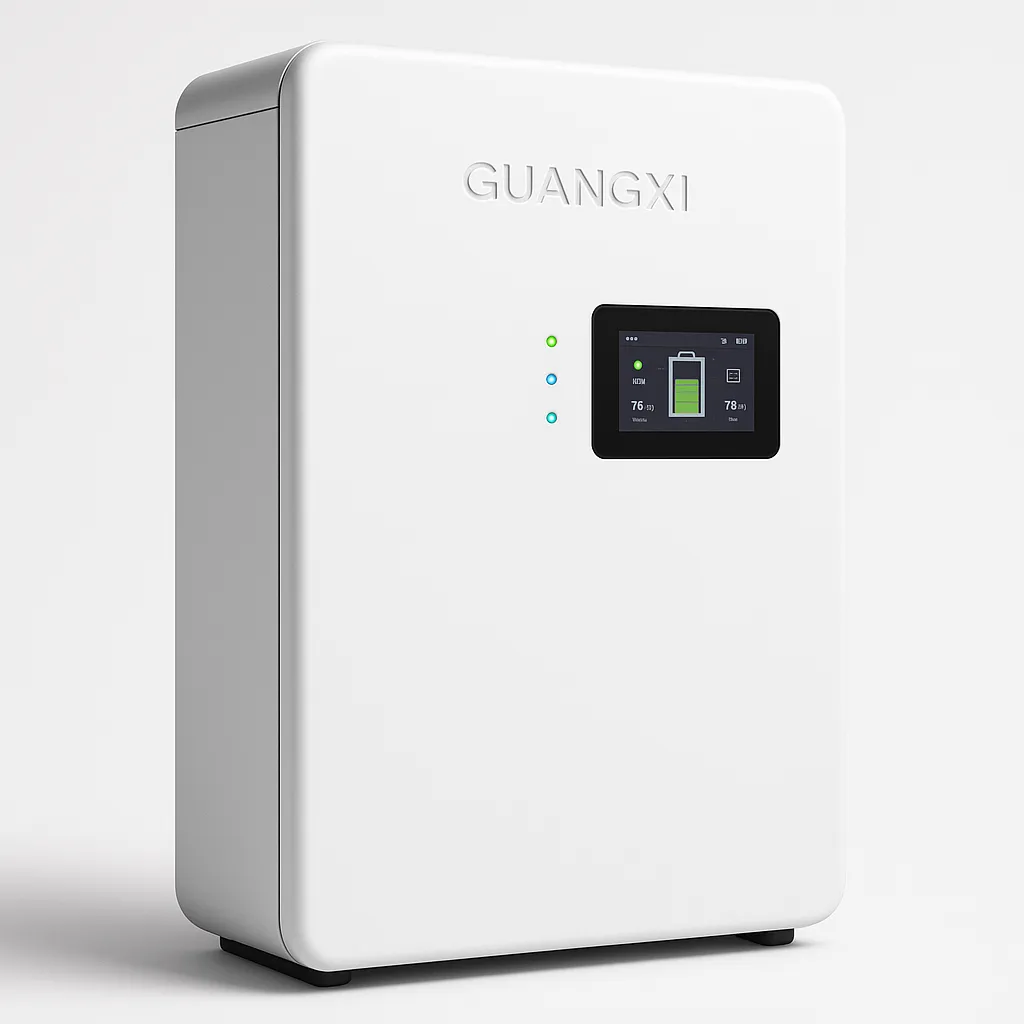
Battery Temperature
Critical: LiFePO4 batteries can be damaged if charged below freezing.
Solutions:
-
Install in temperature-controlled space
-
Use batteries with built-in heating
-
Configure inverter to disable charging below 32°F
Winter Production
|
Month
|
Production
|
Consumption
|
Grid Draw
|
|
December
|
420 kWh
|
850 kWh
|
430 kWh
|
|
January
|
480 kWh
|
900 kWh
|
420 kWh
|
My Winter Routine
-
Daily: Check monitoring app
-
Weekly: Check battery state of charge
-
Monthly: Review production vs. consumption
Bottom Line
Solar works in cold climates. Key points:
-
Inverter rating: -13°F minimum
-
Battery: Heated space or heated enclosure
-
Panel mounting: Steep pitch for snow shedding
-
Expect 40-50% lower winter production