Solar Generator vs Hybrid Inverter: The Honest Comparison
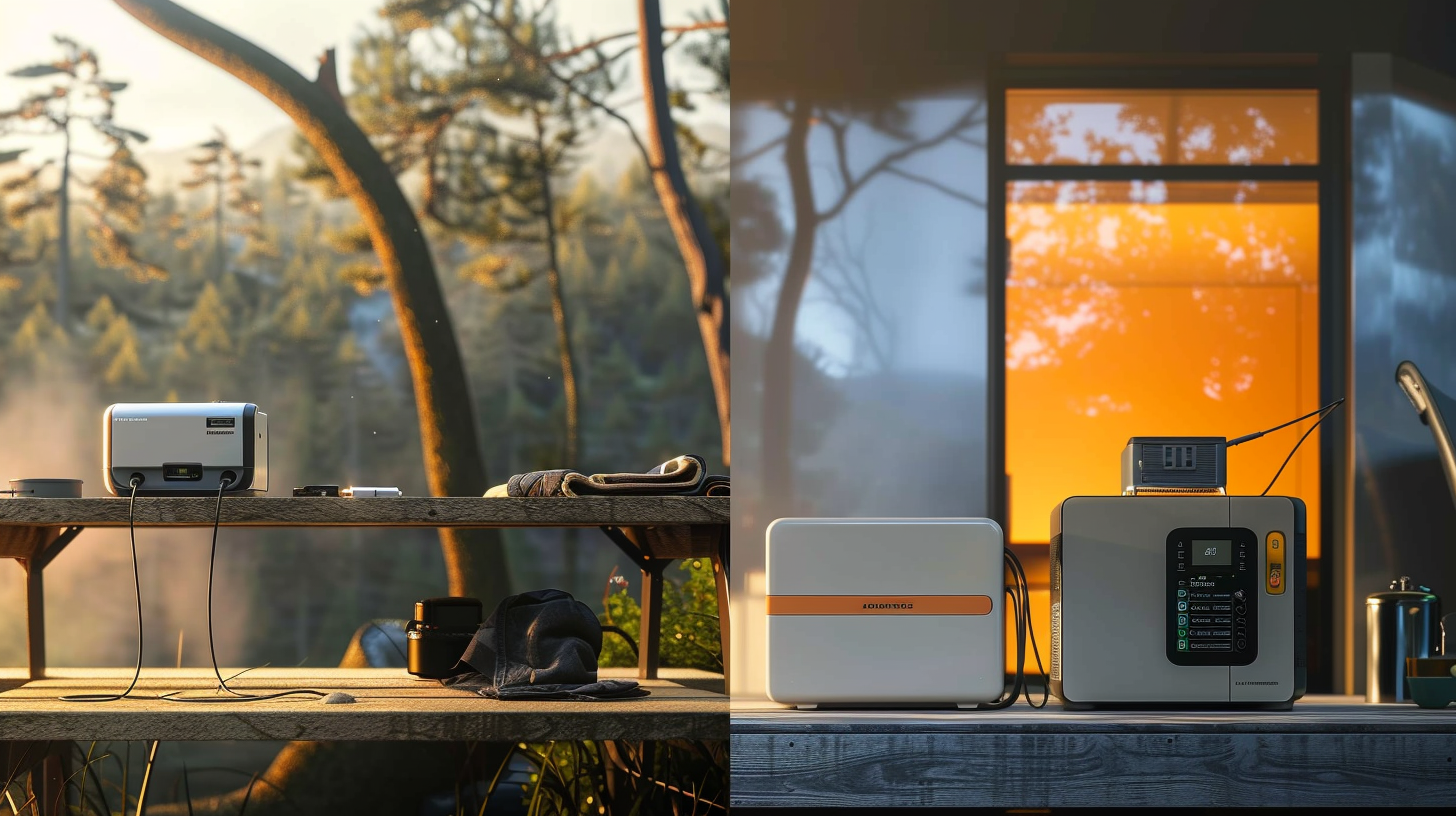
Walk into any big-box store and you'll see "solar generators" stacked next to the camping gear. Meanwhile, solar installers talk about "hybrid inverter systems." Both claim to provide backup power from solar panels.
Are they the same thing? Absolutely not.
One is a portable power station with a built-in battery. The other is a whole-home energy management system. Let's break down the real differences.
What Is a "Solar Generator"?
First, let's clarify terminology. A "solar generator" isn't actually a generator. It's a marketing term for:
Portable Power Station + Solar Input
Typical components:
-
Built-in LiFePO4 or NMC battery (500Wh-4,000Wh capacity)
-
DC-to-AC inverter (300W-3,000W output)
-
MPPT solar charge controller
-
AC charging port
-
Multiple output ports (AC outlets, USB, 12V)
Popular brands: Jackery, EcoFlow, Bluetti, Goal Zero
Price range: $$500$$4,000
What Is a Hybrid Inverter System?
A hybrid inverter system is fundamentally different:
Central Inverter + External Battery Bank + Solar Array
Typical components:
-
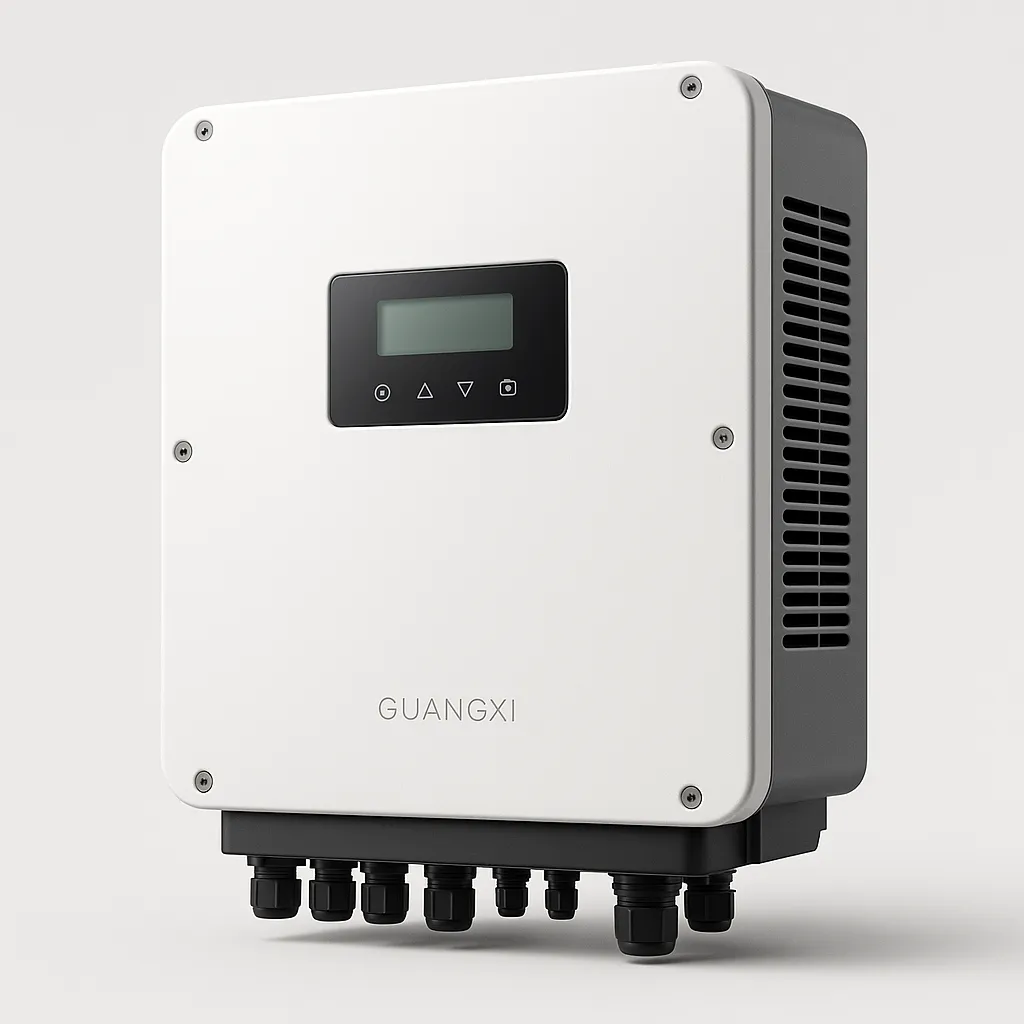
Hybrid inverter (3kW-12kW output)
-
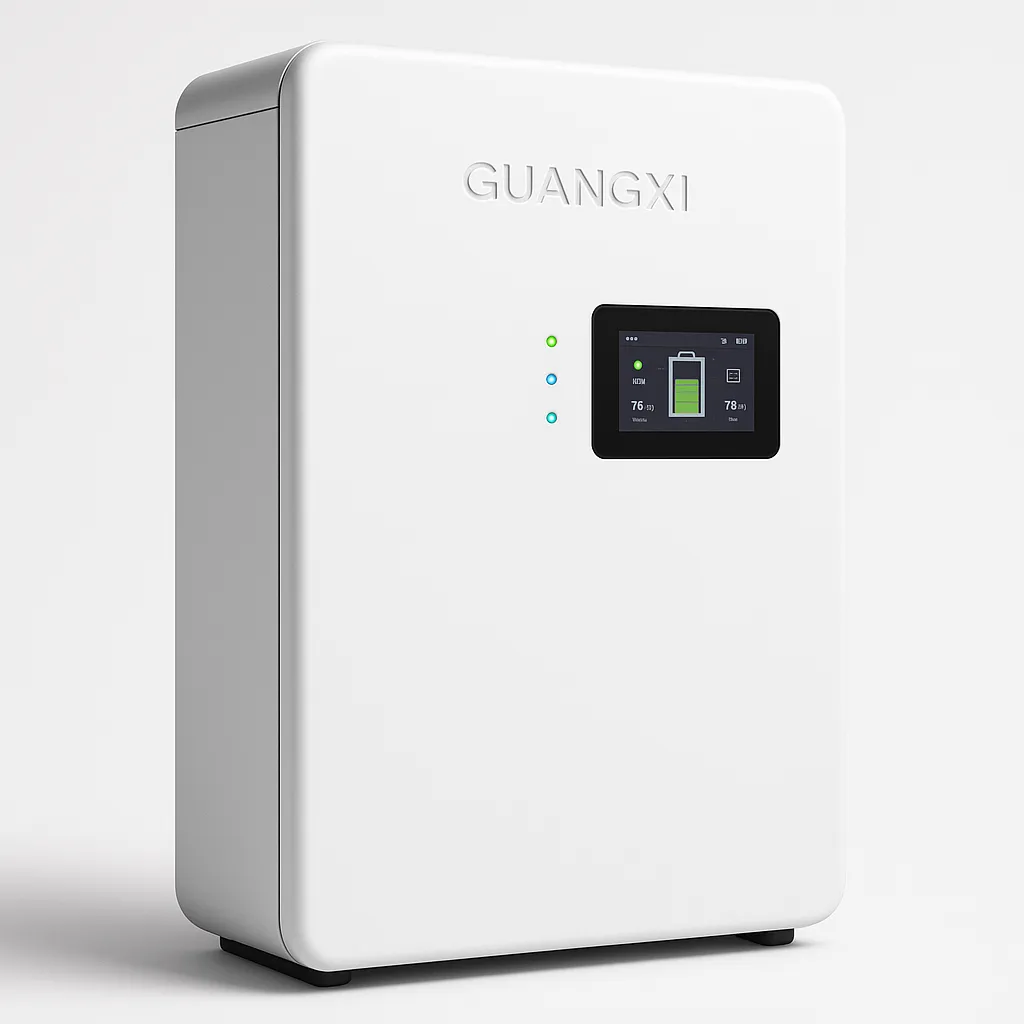
External LiFePO4 battery bank (5kWh-40kWh, expandable)
-
Rooftop solar array (3kW-15kW)
-
Automatic transfer switch
-
Whole-home or critical loads panel
Price range: $$8,000$$25,000 (installed)
The Power Output Gap
This is the most critical difference.
|
Feature
|
Solar Generator
|
Hybrid Inverter
|
|
Continuous Output
|
300W-3,000W
|
3,000W-12,000W
|
|
Surge Capacity
|
1.5x for 3 sec
|
2x for 10 sec
|
|
Voltage Output
|
120V only
|
120V/240V split-phase
|
|
Expandability
|
Fixed capacity
|
Modular, expandable
|
What this means in practice:
A Jackery Explorer 2000 Pro (popular "solar generator") outputs 2,200W continuous with 4,000W surge. That's enough for:
-
✅ Laptop, phone chargers, LED lights
-
✅ Small refrigerator
-
❌ Central air conditioner (needs 3,500W running, 10,000W+ surge)
-
❌ Well pump (needs 2,000W running, 8,000W+ surge)
-
❌ Electric dryer (needs 4,000W, 240V)
A SolarInverterUS 8kW hybrid outputs 8,000W continuous with 16,000W surge. That handles:
The Battery Capacity Reality Check
Let's talk runtime.
Solar generator (2,000Wh capacity):
-
Refrigerator (150W): ~13 hours
-
LED lights (50W): ~40 hours
-
Central AC: Won't start (insufficient surge)
Hybrid system (15,000Wh battery):
-
Refrigerator (150W): ~100 hours
-
Central AC (3,500W): ~4 hours
-
Whole home essential loads: 18+ hours (CASE-001)
The math:
That's a 10x difference in stored energy.
The Transfer Time Factor
When the grid fails, how quickly does backup power kick in?
Solar generators: Manual or semi-automatic
Most solar generators require you to:
-
Notice the power is out
-
Plug appliances into the generator
-
Turn on the generator
Even "automatic" models that stay plugged in have transfer times of 20-50ms. That's enough to restart computers and disconnect WiFi.
Hybrid inverters: Fully automatic, <10ms
Our hybrid systems detect grid failure and transfer to battery in under 10 milliseconds (TEST-003). Your TV doesn't flicker. Your computer stays on. You might not even notice the outage.
Real case: A Texas homeowner reported: "The grid failed at 2 AM. My TV didn't even blink, and the digital clocks didn't reset. True UPS-grade backup." (CASE-001)
The Installation Difference
Solar generators: Plug and play
No installation required. Unbox, charge, plug in appliances. Solar panels connect via MC4 or Anderson connectors.
Pros: Portable, no permits, renter-friendly Cons: Limited capacity, manual operation
Hybrid inverters: Professional installation
Requires:
Pros: Whole-home coverage, automatic operation, 240V output Cons: Higher upfront cost, professional installation required
The Cost Analysis: Apples to Oranges?
Let's compare real costs for realistic backup scenarios.
Scenario: Power a refrigerator, lights, and WiFi during 4-hour outages
|
Option
|
Equipment Cost
|
Installation
|
Total
|
|
Solar Generator (2kWh)
|
$2,000
|
$0 (DIY)
|
$2,000
|
|
Hybrid System (5kWh)
|
$8,000
|
$2,000
|
$10,000
|
For this limited scenario, the solar generator wins on cost.
Scenario: Power central AC, well pump, and refrigerator during 18-hour outages
|
Option
|
Equipment Cost
|
Installation
|
Total
|
|
Solar Generator
|
Won't handle the load
|
N/A
|
N/A
|
|
Hybrid System (15kWh)
|
$15,000
|
$3,500
|
$18,500
|
For whole-home backup, the hybrid inverter is the only viable option.
The Solar Charging Reality
Both systems can charge from solar panels, but there are key differences.
Solar generators:
-
Built-in MPPT: 200-800W solar input max
-
Charging time: 4-8 hours for full charge (depending on model)
-
Panel compatibility: Flexible, but limited by input rating
Hybrid inverters:
-
Built-in MPPT: 3,000-10,000W solar input
-
Charging time: Continuous (solar directly powers loads while charging battery)
-
Panel compatibility: Full rooftop array integration
Key insight: Solar generators store solar energy, then use it later. Hybrid systems can simultaneously power your home AND charge the battery from solar.
The Fuel Comparison (Generator Context)
When people say "solar generator," they're often comparing to gas generators. Let's add that to the mix:
|
Feature
|
Gas Generator
|
Solar Generator
|
Hybrid Inverter
|
|
Fuel Source
|
Gasoline/Propane
|
Solar/Battery
|
Solar/Battery/Grid
|
|
Runtime
|
Limited by fuel
|
Limited by battery
|
Limited by battery + solar
|
|
Noise
|
60-75 dB (loud)
|
Silent
|
Silent
|
|
Maintenance
|
Oil changes, spark plugs
|
None
|
Minimal
|
|
Indoor Use
|
❌ Never
|
✅ Safe
|
✅ Safe
|
|
240V Output
|
Some models
|
❌ No
|
✅ Yes
|
|
Automatic Operation
|
Manual/ATS extra
|
Manual/Semi-auto
|
✅ Fully automatic
|
The Texas Freeze Case Study
During the 2024 Texas spring storms, we saw all three approaches in action:
Gas generator owner: Drove 30 miles in freezing rain to find gas. Generator's dirty power (THD >5%) damaged refrigerator compressor.
Solar generator owner: Kept phones and laptop charged for 6 hours. Battery depleted. Couldn't run well pump or AC.
Hybrid inverter owner: System automatically transferred to battery. Ran refrigerator, lights, well pump, and central AC for 18 hours. Solar recharged battery during daylight. Total investment: $12,500 (CASE-001).
When Solar Generators Make Sense
Solar generators aren't inferior—they're designed for different use cases:
Choose a solar generator if:
-
You need portable power for camping or tailgating
-
You're a renter who can't install permanent equipment
-
Your backup needs are minimal (phones, laptop, small fridge)
-
Budget is under $3,000
-
Outages are typically under 4 hours
Choose a hybrid inverter if:
-
You want whole-home or critical-loads backup
-
You have a well pump or central AC to power
-
You want fully automatic operation
-
Outages last 8+ hours
-
You want daily TOU optimization (California NEM 3.0)
-
Budget allows $10,000+ investment
The Verdict
Solar generators and hybrid inverters serve different markets. Calling them competitors is like comparing a portable phone charger to a whole-house Tesla Powerwall.
For emergency phone charging and camping: Solar generator ($$500$$2,000)
For real home backup during Texas freezes or hurricane season: Hybrid inverter system ($$10,000$$25,000)
The real question isn't which is better. It's: what do you need to power, and for how long?
If you need to run central AC, well pumps, or want seamless automatic backup, a hybrid inverter is the only solution that delivers.