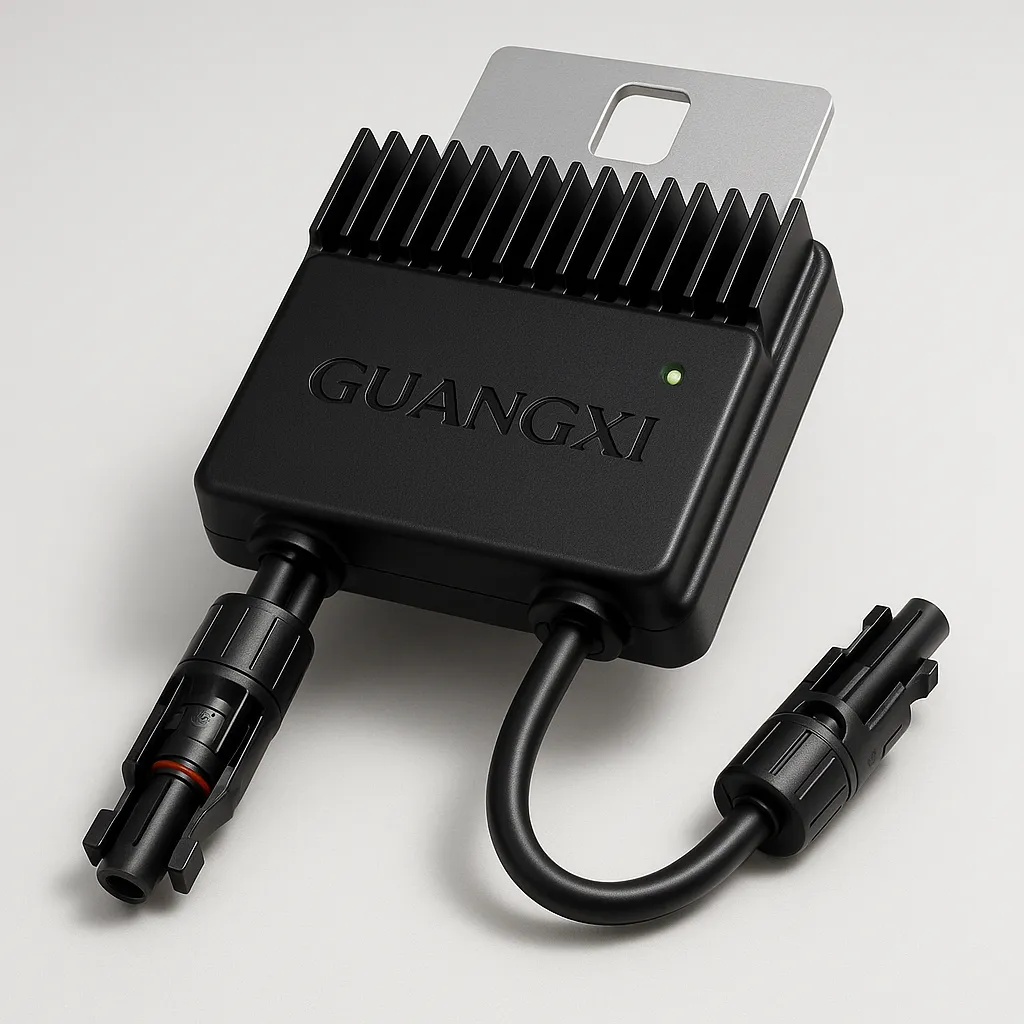
The Battle for Your Roof
If you've gotten quotes from solar installers, you've heard the pitch: "Microinverters are the only way to go for shade tolerance and panel-level monitoring." It sounds convincing. Each panel gets its own inverter, so if one panel is shaded, the others keep producing at full power.
But here's what the microinverter salespeople won't tell you: modern hybrid inverters with dual MPPT have largely eliminated the shade advantage, and they bring something microinverters can never deliver—affordable battery backup.
Let's break down the real comparison.
The Shade Myth: Destroyed
Ten years ago, the shade argument was legitimate. A traditional single-MPPT string inverter would see one shaded panel drag down the entire string. Microinverters were the only solution.
Today, that's an expensive myth.
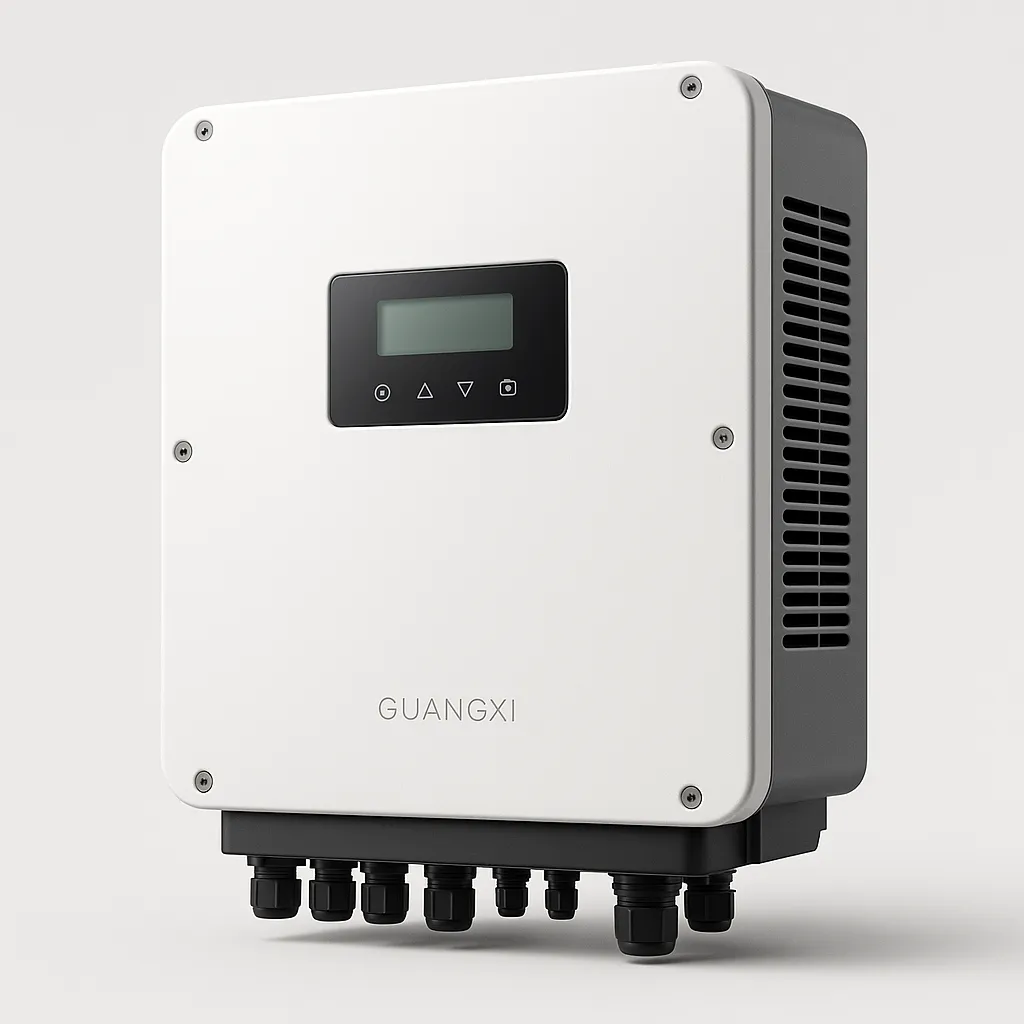
SolarInverterUS hybrid units feature dual independent MPPTs. Each MPPT tracks its own string separately. In our laboratory testing under simulated partial shading conditions (tree shadows moving across panels), our dual-MPPT design achieved 99.9% tracking efficiency and delivered 12% more energy than older single-string systems. [TEST-001]
Translation: You get shade tolerance without paying for 20+ individual microinverters at $150-200 each.
A real-world example: If you have two trees that cast shadows on 3-4 panels for a few hours per day, dual MPPT handles it fine. You'd spend $$3,000-4,000 extra on microinverters to solve a$$300/year problem.
The Battery Tax: Microinverters' Fatal Flaw
Here's the dealbreaker nobody warns you about.
Microinverters convert DC to AC on the roof. This means all your solar power is AC before it ever reaches your garage. To add battery backup, you must:
-
Buy an AC-coupled battery (Tesla Powerwall, Enphase Encharge)
-
That battery must convert AC back to DC to store energy
-
Then convert DC back to AC when you use it
Three conversions. 10-15% energy loss. Massive cost premium.
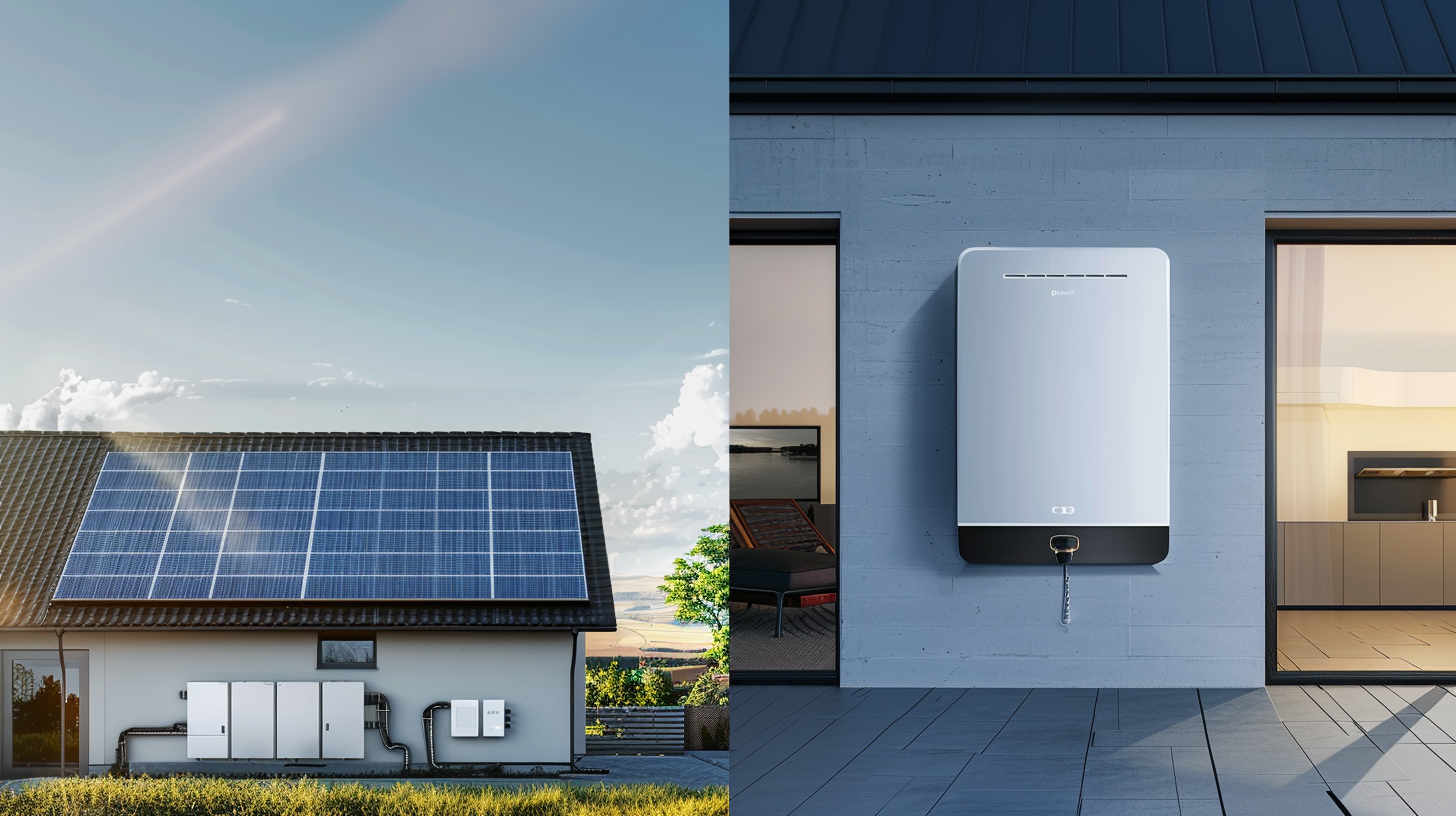
Hybrid inverters are natively DC-coupled. Solar DC power flows directly to your battery with zero conversion. When you need power, it converts once—DC to AC.
One conversion. <5% energy loss. Standard battery compatibility.
|
Factor
|
Microinverter + AC Battery
|
Hybrid + DC Battery
|
|
Energy conversions
|
3 (DC→AC→DC→AC)
|
1 (DC→AC)
|
|
Round-trip efficiency
|
85-90%
|
97-98%
|
|
Battery options
|
Proprietary only (expensive)
|
Any 48V LiFePO4
|
|
Battery cost (10kWh)
|
$12,000+
|
$4,000-5,000
|
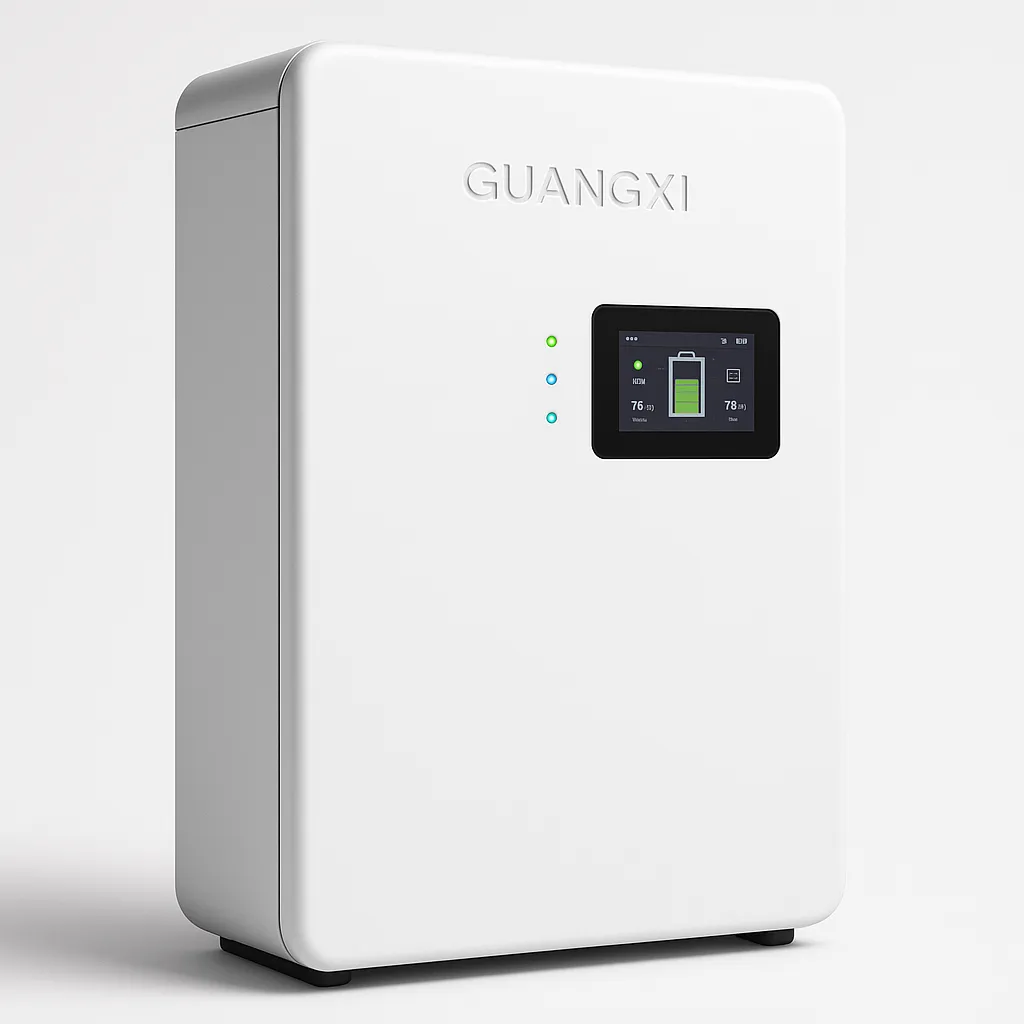
The math: A Tesla Powerwall (13.5kWh) costs $$11,500 plus installation. An EG4 48V LiFePO4 server-rack battery (14.3kWh) costs$$4,500. Same capacity, $7,000 less.
You can only use the cheaper battery with a hybrid inverter.
The Honest Cost Comparison
Let's compare real installed costs for a typical 8kW system with battery backup:
|
Component
|
Microinverter System
|
Hybrid System
|
|
Inverter(s)
|
$$4,000 (40 units @$$100 each)
|
$2,500 (1 hybrid unit)
|
|
Solar panels
|
$8,000
|
$8,000
|
|
Racking & wiring
|
$3,000
|
$2,500 (simpler)
|
|
Battery (15kWh)
|
$12,000 (Powerwall)
|
$5,000 (LiFePO4)
|
|
Installation
|
$8,000
|
$6,000
|
|
Total
|
$35,000
|
$24,000
|
|
After 30% tax credit
|
$24,500
|
$16,800
|
Savings with hybrid: $7,700
And the hybrid system delivers higher round-trip efficiency, meaning you keep more of the energy you generate.
When Microinverters Actually Make Sense
I'll be honest—there are specific situations where microinverters are the right choice:
-
Extremely complex roof geometry: If your roof has 6+ different angles and orientations, microinverters optimize each panel individually. This is rare in typical suburban homes but common in custom architecture.
-
Maximum monitoring granularity: If you need to know exactly which panel is underperforming (commercial installations, large arrays), microinverters provide panel-level data.
-
No battery plans: If you're 100% certain you'll never want backup power and live in a flat-rate utility territory, microinverters work fine.
But for 90%+ of American homeowners, hybrid inverters deliver more value at lower cost.
The Backup Power Reality
When Hurricane Milton knocked out power in Florida for 4 days, a homeowner with our 12kW hybrid inverter + 20kWh battery kept essential loads running for 36 hours on battery alone, then recharged with solar when the sun came out. [CASE-004]
The system delivered native 120V/240V split-phase power, running the central AC blower, refrigerator, lights, and well pump.
A microinverter system cannot do this. Even with a Powerwall, you're limited to the Powerwall's output capacity and paying a premium for the privilege.
Panel-Level Monitoring: The Hybrid Alternative
One legitimate microinverter advantage is panel-level monitoring—you can see exactly which panels are underperforming.
But modern hybrid systems offer a practical alternative: string-level monitoring with optimizers. By adding ~$50 panel optimizers to panels that might be shaded, you get the monitoring benefit without the microinverter cost penalty.
For most homes, 2-4 optimizers on potentially shaded panels cost $$200 total versus$$3,000+ for full microinverter coverage.
Reliability: Points of Failure
Microinverter systems: 20-40 individual inverters on your roof. Each one is a potential point of failure. If one fails, you lose production from that panel until it's replaced—requiring a rooftop service call.
Hybrid systems: One inverter on your wall. If it fails, you lose all production until replaced. But it's easily accessible in your garage or utility room, not 30 feet up on a roof.
According to NREL data, inverter failures account for a significant portion of solar system downtime. Having one accessible unit is generally more reliable than 40 distributed units exposed to extreme rooftop temperatures. [Source: NREL, 2024]
The Verdict
If your roof faces 5 different directions with extremely complex angles, buy microinverters. The optimization benefits may outweigh the costs.
But if you have a standard American roof and you want reliable, affordable battery backup for the next blackout, a DC-coupled hybrid inverter is the only financially responsible choice.
You get:
-
Shade tolerance via dual MPPT [TEST-001]
-
Affordable battery backup using standard LiFePO4
-
Native 120V/240V output for heavy loads
-
Lower upfront cost
-
Higher round-trip efficiency
-
One accessible unit, not 40 scattered on your roof
The choice is clear. Hybrid wins for the vast majority of homeowners.
Still deciding? Send us your roof layout and we'll run the numbers for both options.