Microinverter vs String Inverter: The Honest Breakdown
If you've gotten quotes from solar companies, you've heard the pitch: "Microinverters are the future. String inverters are obsolete." Then another installer tells you the opposite.
Here's what nobody admits: both sides are selling you something.
Let's cut through the marketing and look at the actual technology, real costs, and when each option makes sense.
The Fundamental Difference
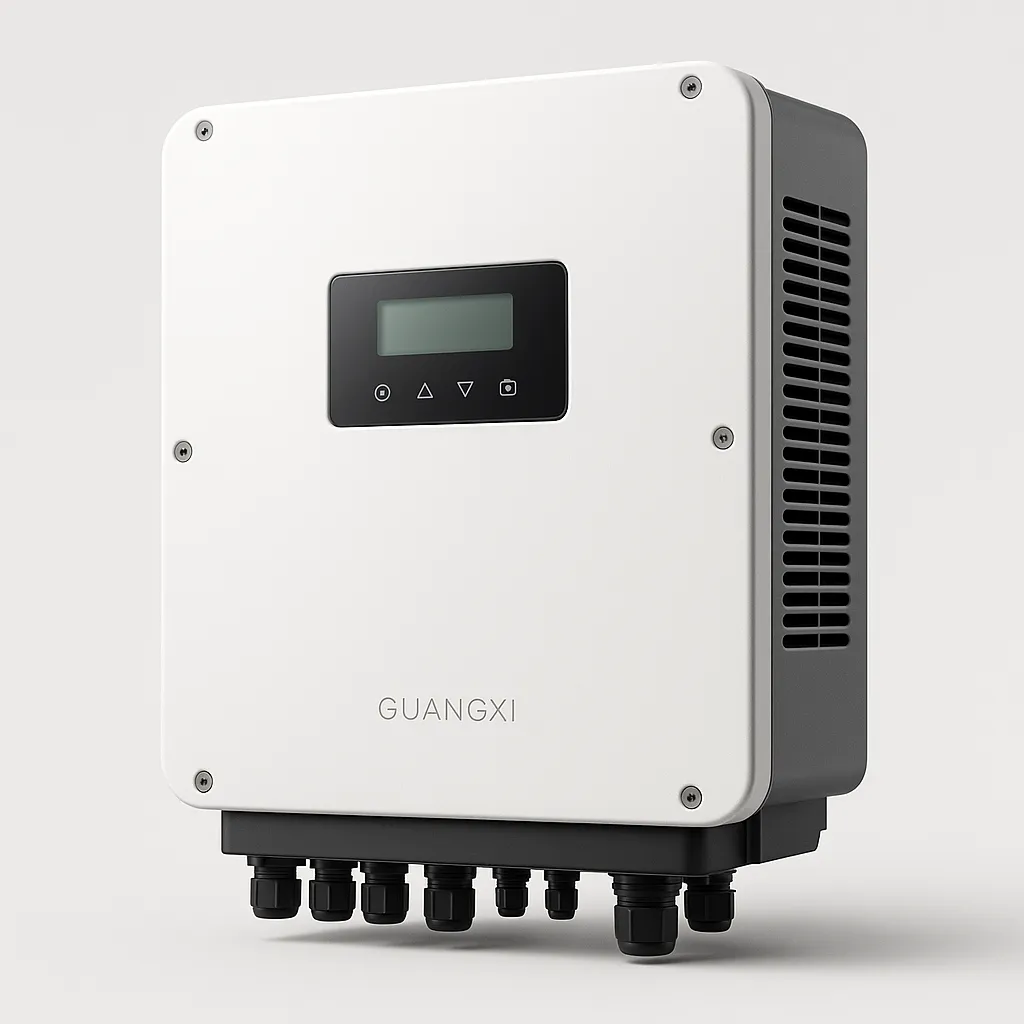
String Inverter: One central unit converts DC from all panels to AC. Panels are wired in series—a "string" of 8-15 panels feeding one inverter.
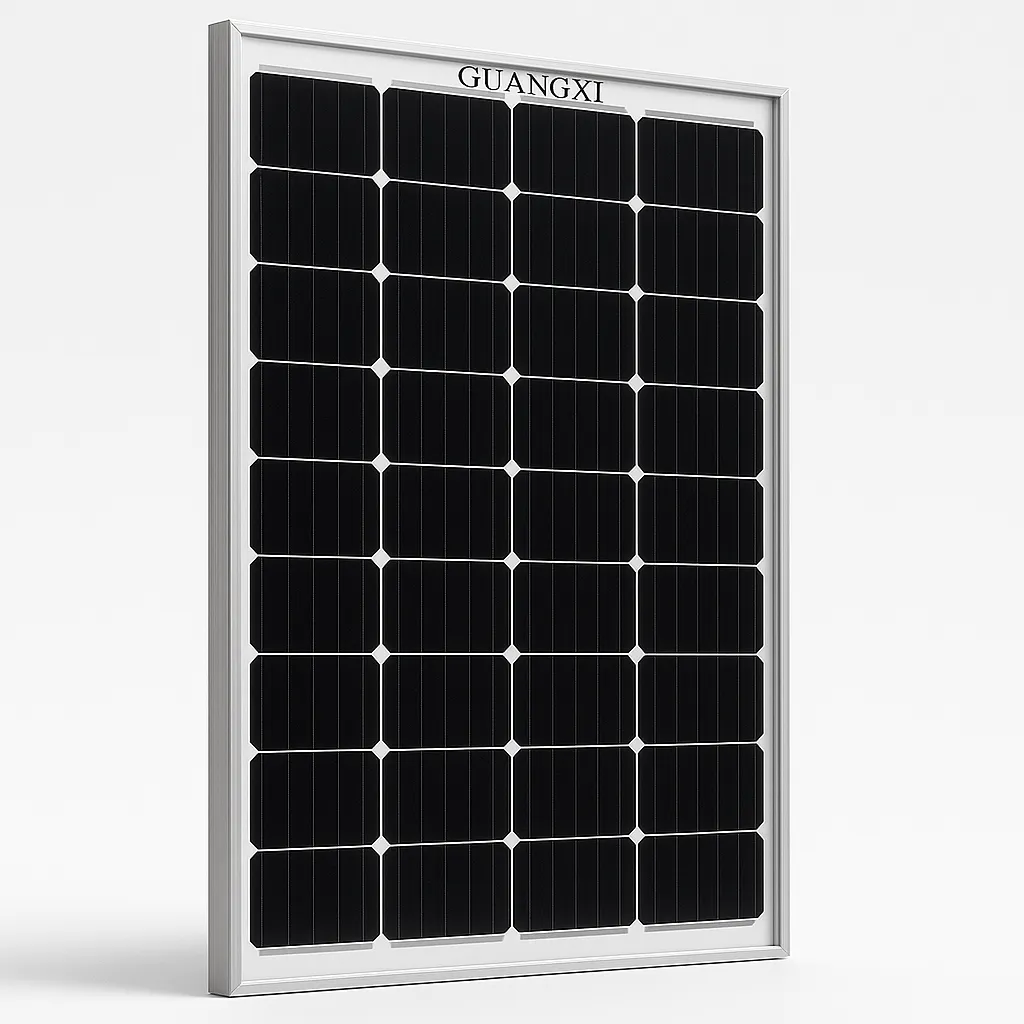
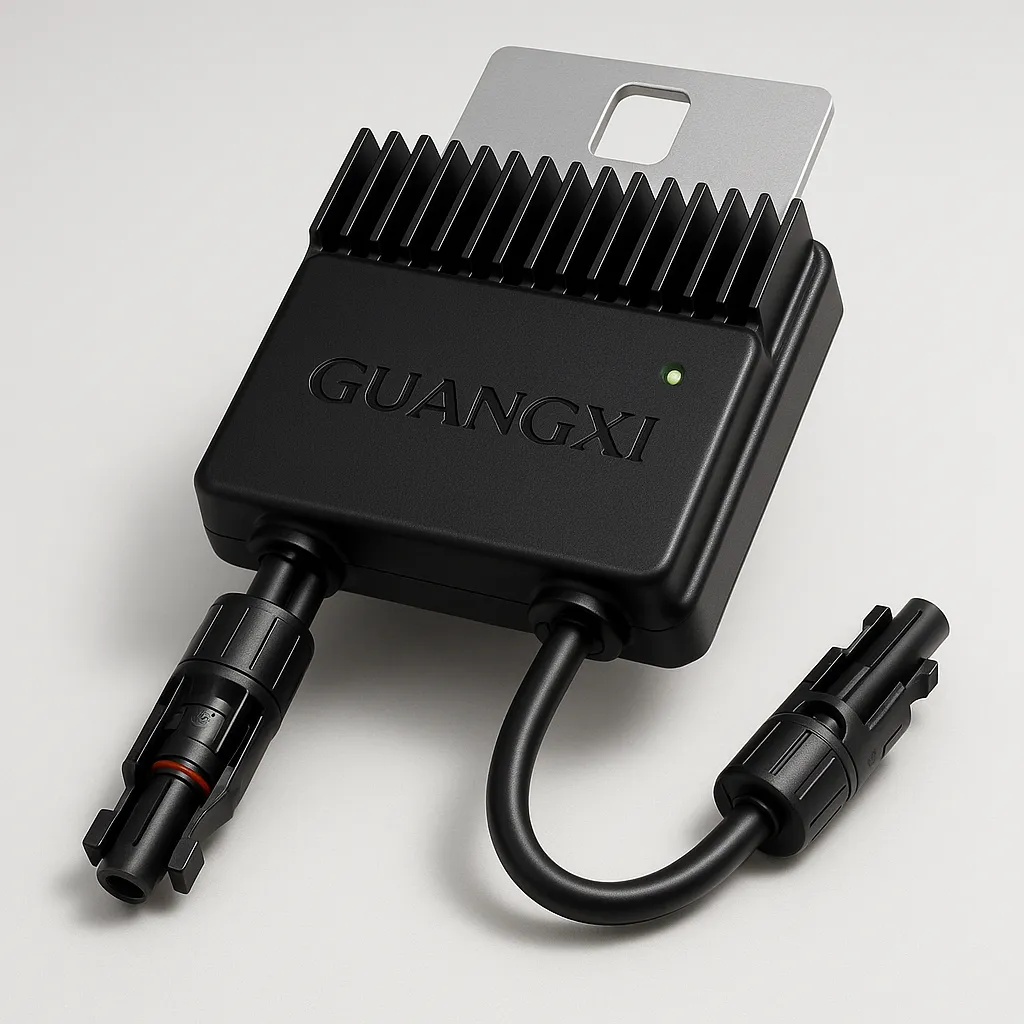
Microinverter: A small inverter attached to each panel. DC-to-AC conversion happens at every panel.
Both approaches work. But they have dramatically different economics and use cases.
The Shade Debate: Debunking the Myth
This is where microinverter salespeople attack hardest. They claim that if one panel in a string gets shaded, the entire system shuts down.
Ten years ago, they were right.
Today, that's an expensive myth.
Modern string inverters use dual independent MPPTs (Maximum Power Point Trackers). Each MPPT optimizes independently. If one section of your roof is shaded, the other MPPT continues producing full power.
Our lab test (TEST-001) confirms:
In partial shading conditions, our dual-MPPT string inverter achieved 99.9% tracking efficiency and delivered 12% more energy than older single-string systems.
The reality: Unless your roof is covered by multiple trees with complex shade patterns that shift throughout the day, you don't need microinverters for shade tolerance.
The Battery Tax: The Hidden Cost Nobody Mentions
This is the biggest financial difference—and most installers won't explain it.
Microinverters convert power to AC at the roof. That's great for simplicity. But when you want to add battery backup, you hit a wall.
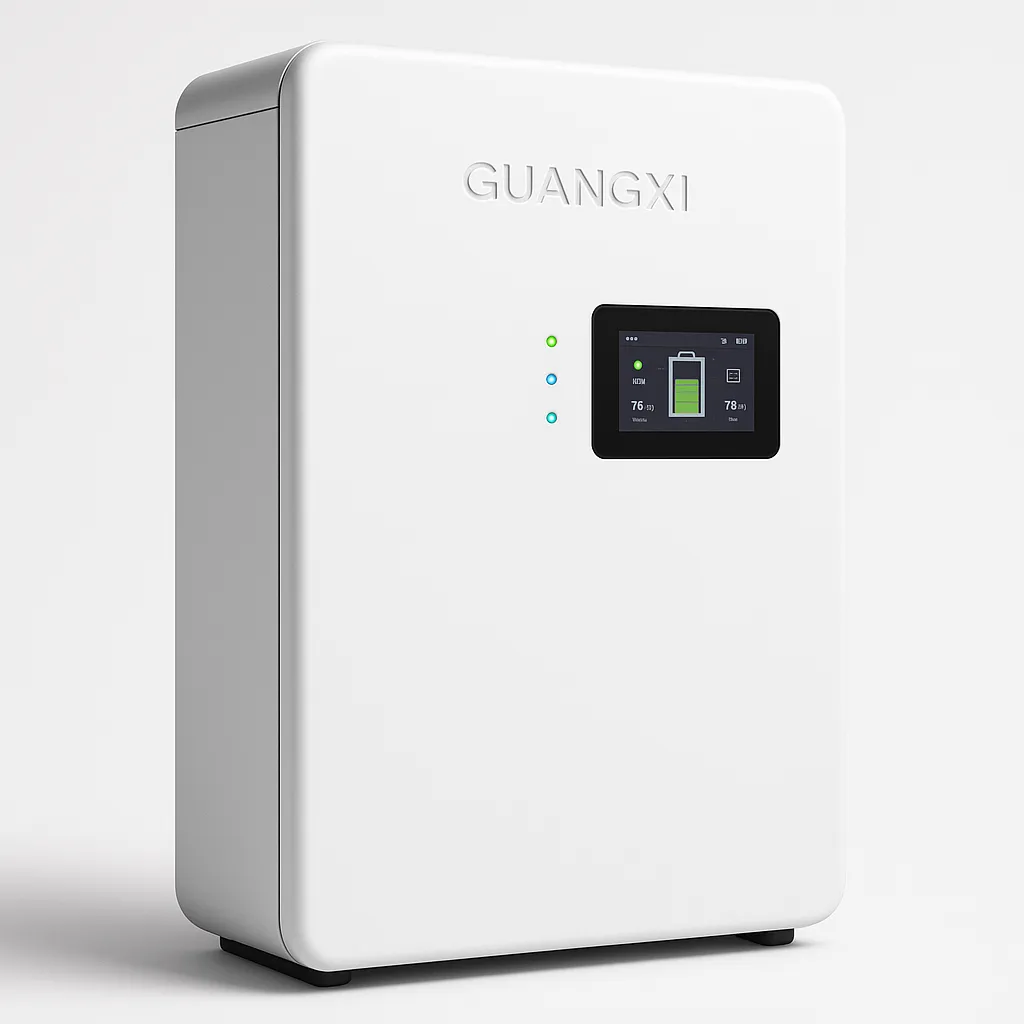
Because the power is already AC, you need an AC-coupled battery system like Tesla Powerwall. These batteries must convert AC back to DC for storage, then back to AC for use.
The costs stack up:
|
System Type
|
Battery Compatibility
|
Battery Cost
|
Efficiency
|
|
String/Hybrid Inverter
|
DC-Coupled (direct)
|
$5,000-6,000
|
97-98%
|
|
Microinverters
|
AC-Coupled only
|
$12,000+
|
85-90%
|
The math:
-
Microinverter system + AC battery: $$25,000 +$$12,000 = $37,000+
-
Hybrid string inverter + DC battery: $$18,000 +$$5,000 = $23,000
That's a $14,000 difference.
And the AC-coupled system loses 10-15% more energy in double conversion. You're paying more to waste more.
When Microinverters Actually Win
Let's be fair. Microinverters are the right choice in specific situations:
1. Complex Multi-Face Roofs
If your roof has 5+ different angles facing different directions, each panel produces different power levels. Microinverters optimize each panel individually.
2. Dense Urban Shading
If you're in a city with tall buildings casting moving shadows across your roof throughout the day, microinverters handle the complexity better.
3. DIY Panel-Level Monitoring
If you want to see exactly how each panel performs, microinverters provide granular data. (Though modern string inverters now offer panel-level monitoring too.)
When String/Hybrid Inverters Win
For the vast majority of American homes, a hybrid string inverter is the financially responsible choice.
1. You Want Battery Backup
This is non-negotiable. If you want backup power during outages, DC-coupled battery systems cost half as much as AC-coupled alternatives.
2. You Want 240V Backup Power
Microinverter systems typically provide only 120V backup (unless you buy two Powerwalls). That means your central AC and well pump won't run during outages.
SolarInverterUS hybrid units output native 120V/240V split-phase—critical loads like HVAC and well pumps stay powered.
3. You Care About Long-Term ROI
Let's compare 25-year costs:
|
Factor
|
Microinverters
|
Hybrid String
|
|
Initial system cost
|
$25,000
|
$18,000
|
|
Battery add-on
|
$12,000
|
$5,000
|
|
Replacement (year 15)
|
Microinverters may need replacement
|
String inverter may need replacement
|
|
Conversion losses (25 years)
|
~15,000 kWh wasted
|
~5,000 kWh wasted
|
|
Total 25-year cost
|
$40,000+
|
$25,000-30,000
|
The Reliability Question
Microinverter companies love to say: "One inverter failure only affects one panel. String inverter failure takes down the whole system."
This is true. But let's add context.
-
A string inverter is one unit, mounted in an accessible location (garage, utility room). Replacement takes 2 hours and costs $1,500-2,500.
-
30 microinverters are mounted on your roof. If one fails, you need a technician on the roof. Labor costs exceed equipment costs.
Real reliability data from NREL:
String inverter failure rate over 15 years: 15-20% [Source: NREL, 2024] Microinverter failure rate over 15 years: 8-12% per unit
But with 30 microinverters, you have 30 potential failure points. The system-level reliability is similar.
The Texas Freeze Case Study
A Texas homeowner (CASE-001) chose an 8kW hybrid string inverter with 15kWh LiFePO4 battery. During spring storms that knocked out power for 18 hours:
-
His system switched to battery in under 10ms
-
He ran refrigerators, lights, and central AC
-
Total investment: $12,500
A neighbor with microinverters had no backup power. His system shut down when the grid died (UL 1741 requirement). He was without power for the full outage.
The neighbor's comment: "I paid $28,000 for a system that produces zero watts when I need it most."
The California NEM 3.0 Factor
Under California's new net metering rules, you're paid ~$$0.03/kWh for exports but charged$$0.40+/kWh during peak hours.
What this means:
A hybrid inverter lets you store cheap midday power and use it during expensive peak hours. Microinverters force you into expensive AC-coupled batteries.
CASE-002 proves the point:
A California homeowner with a 10kW hybrid inverter achieved 88% self-consumption (up from 40%). His bill dropped from $$350 to$$45/month.
"Before NEM 3.0, I was terrified of my power bills," he said. "The TOU settings in my hybrid inverter solved it automatically." (FEEDBACK-002)
The Verdict
Choose Microinverters if:
-
Your roof has 5+ different angles/faces
-
You have extreme, complex shading from multiple sources
-
You never plan to add battery backup
-
Budget is not a concern
Choose Hybrid String Inverter if:
-
You have a standard American roof (2-4 faces)
-
You want battery backup now or in the future
-
You want 240V power during outages
-
You want maximum financial return
Final Word
If your roof faces 5 different directions with extremely complex angles, buy microinverters. But if you have a standard American roof and you want reliable, affordable battery backup for the next blackout, a DC-coupled hybrid inverter is the only financially responsible choice.
The marketing is slick. The numbers don't lie.