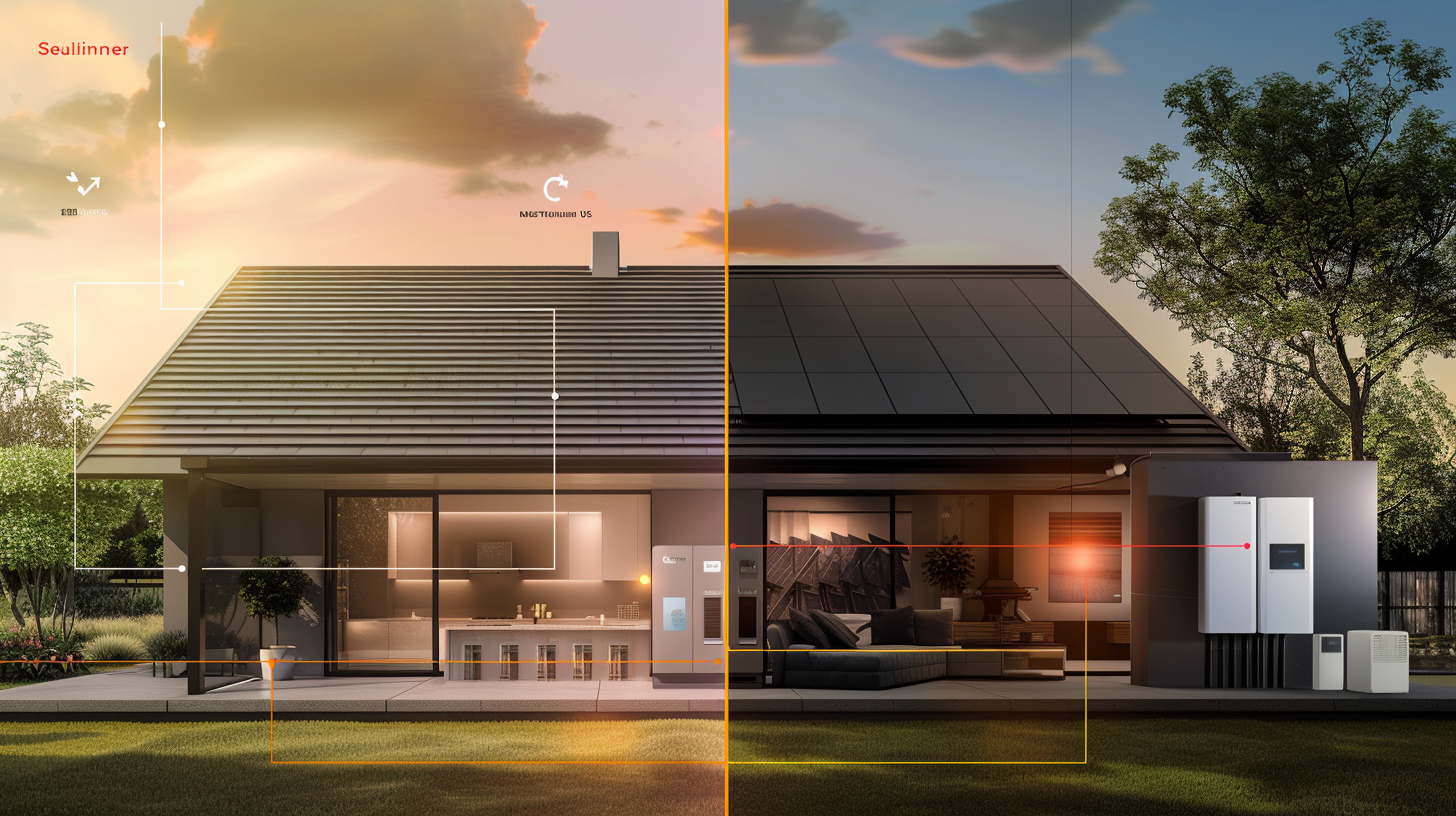
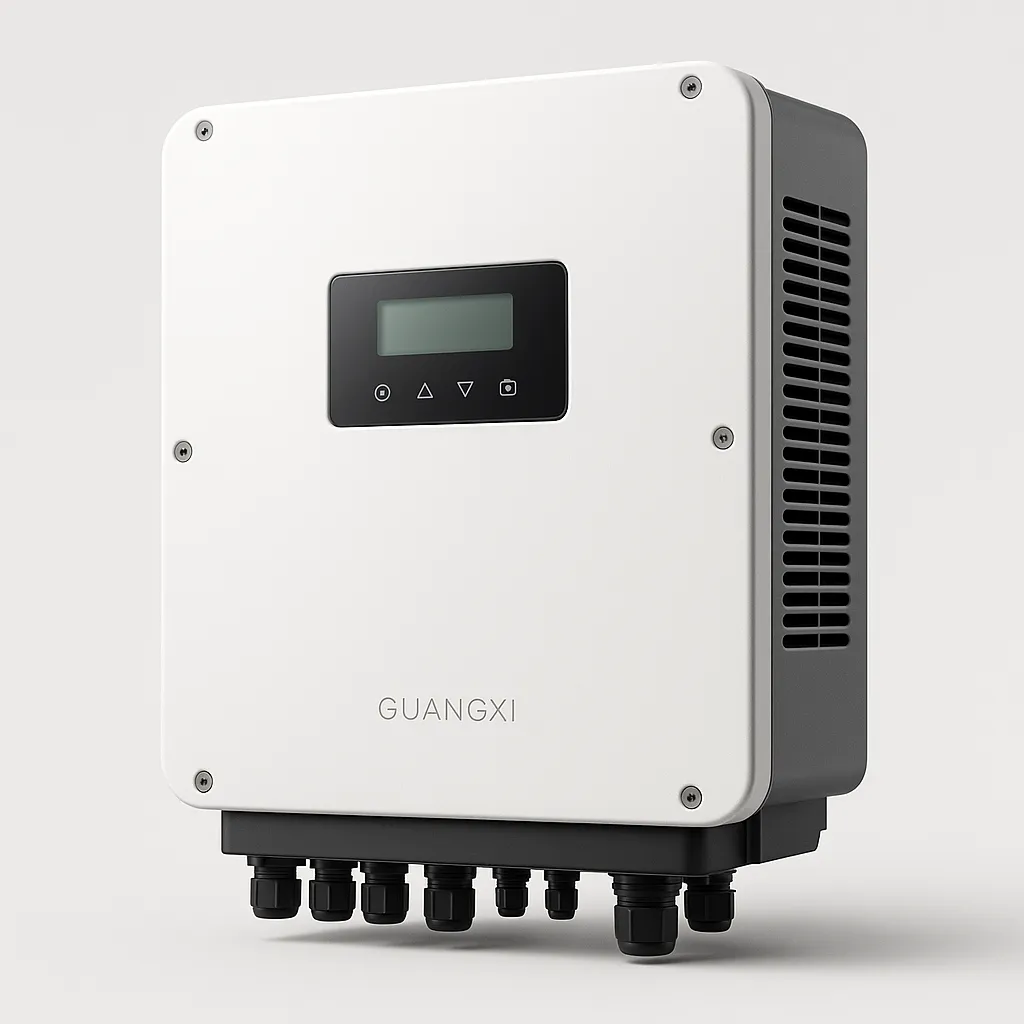
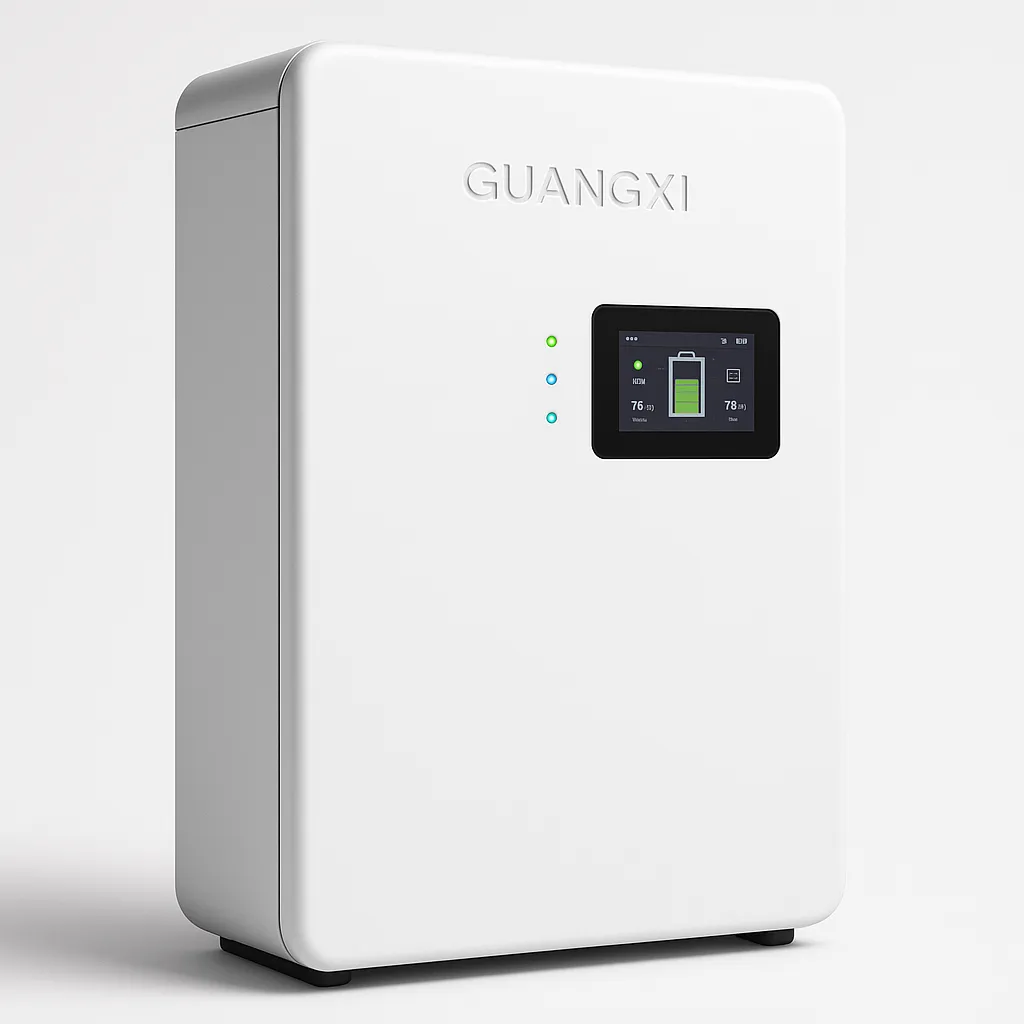
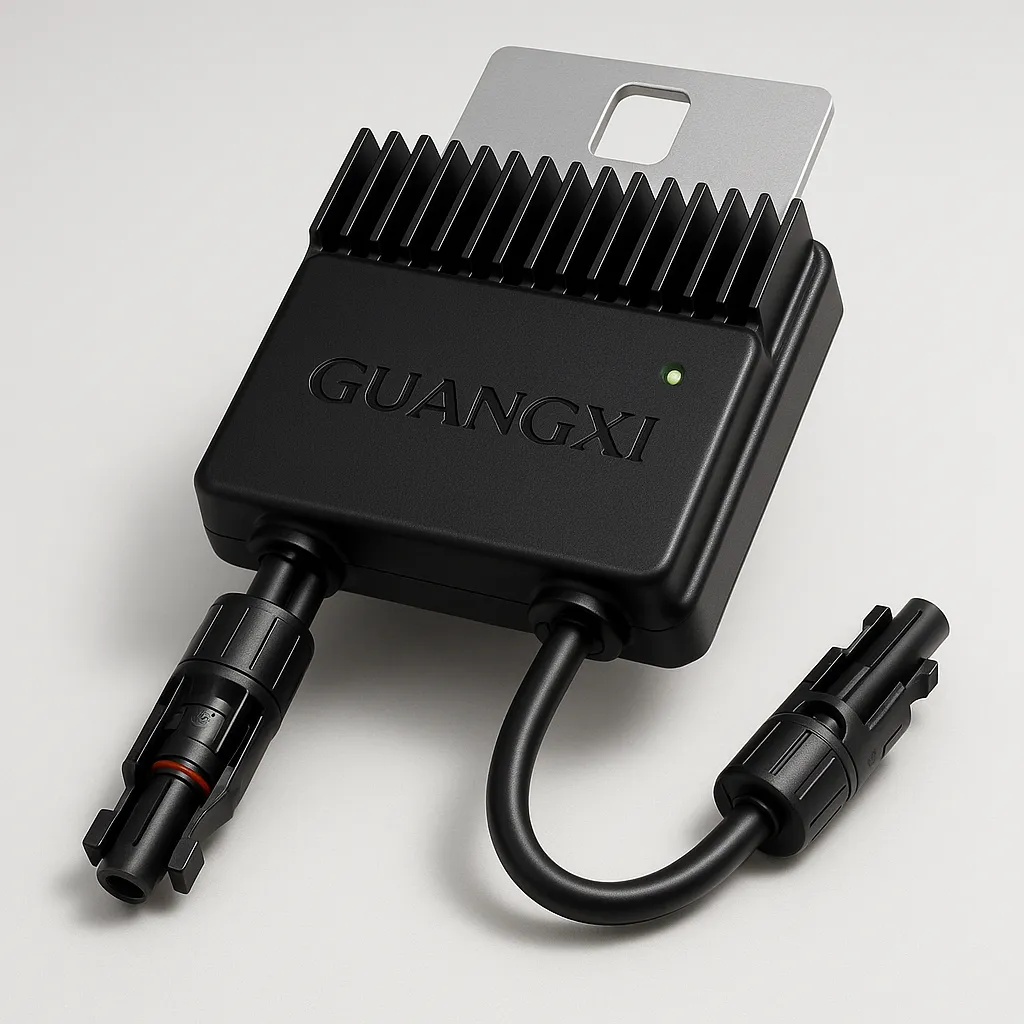
The key distinction most guides miss: This isn't just about microinverters vs string inverters. It's about microinverters vs hybrid inverters. A standard string inverter can't do battery backup. A hybrid inverter can.
The "Shade Myth" and Why Solar Reps Push Microinverters
If you have a few trees near your roof, solar salespeople will aggressively push microinverters. Ten years ago, they were right. Today, that's an expensive myth.
We engineered the SolarInverterUS Hybrid models with advanced Dual Independent MPPTs. In our real-world testing, our dual MPPTs achieved 99.9% tracking efficiency during partial shading, delivering 12% more energy than older single-string systems. You get shade tolerance without the massive microinverter markup.
The "Battery Tax": AC-Coupling vs DC-Coupling
This is the ultimate dealbreaker that nobody warns you about.
The Microinverter Problem: Microinverters convert power to AC on the roof. To add batteries, you must buy expensive AC-coupled batteries (like Tesla Powerwall). That's three conversions with 10-15% energy loss.
The Hybrid Advantage: Our SolarInverterUS system is natively DC-coupled. DC power flows directly to the battery with zero intermediate conversion. Plus, you can use standard, affordable 48V LiFePO4 server-rack batteries instead of proprietary AC-coupled units.
The Honest Cost Breakdown
Microinverter System + Battery: $$37,000+**SolarInverterUS Hybrid + Battery**:$$23,000
The difference: $14,000 (38% savings)
The Verdict
If your roof faces 5 different directions with extremely complex angles, buy microinverters.
But if you have a standard American roof and want reliable, affordable battery backup—a DC-coupled hybrid inverter is the only financially responsible choice.