EN
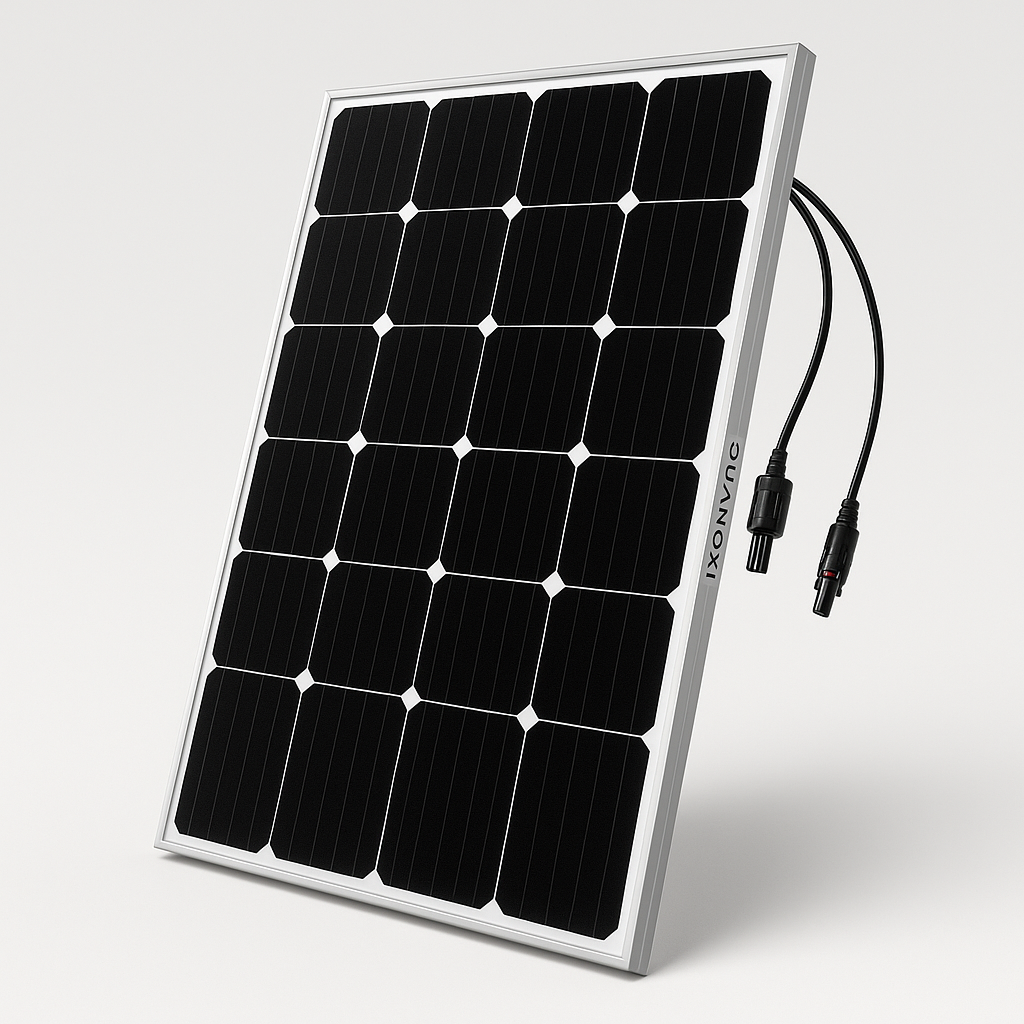
500W · 21.5% · 1722×1134mm
Mono PERC, MBB
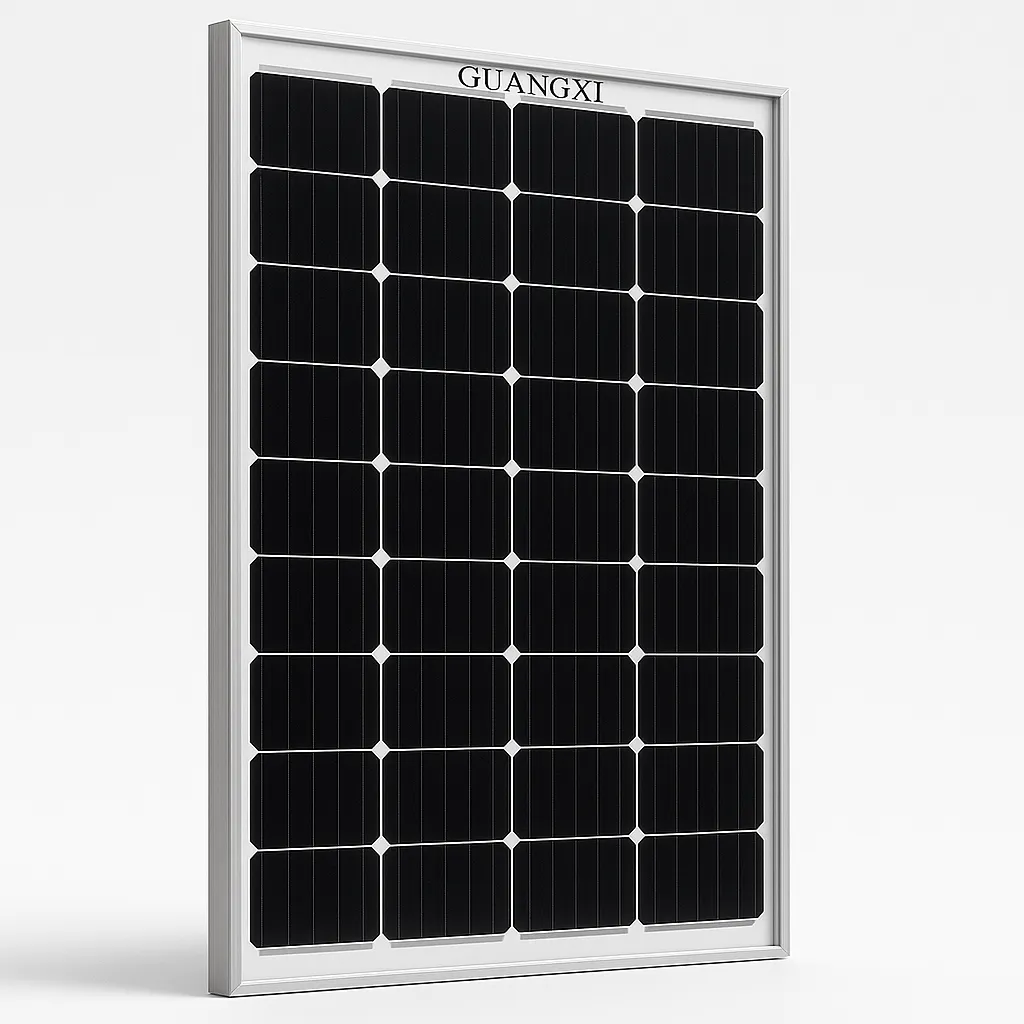
The GUANGXI LS-M500 Monocrystalline Solar Module represents the pinnacle of photovoltaic technology, delivering 500W of clean energy from a single panel. Built with premium-grade monocrystalline PERC cells achieving 22.8% conversion efficiency, the LS-M500 generates 15-20% more electricity per square meter compared to conventional polycrystalline modules.
Engineered for extreme durability, the LS-M500 withstands harsh environmental conditions from -40°C Arctic winters to +85°C desert summers. The reinforced aluminum frame supports up to 5400Pa snow load and 2400Pa wind load, meeting the most stringent building codes worldwide. IP68-rated junction box ensures complete protection against dust and water ingress, even during heavy rain or flooding.
Backed by an industry-leading 25-year linear performance warranty guaranteeing 84.8% power output after 25 years, the LS-M500 provides decades of reliable energy generation. With only 2% first-year degradation and 0.55% annual degradation thereafter, your investment maintains its value far longer than standard modules with 0.7-0.8% annual degradation rates.
Passivated Emitter and Rear Cell (PERC) technology increases light absorption and reduces electron recombination, achieving 22.8% cell efficiency. Generates 15-20% more power per square meter than conventional cells, maximizing rooftop utilization.
Industry-leading -0.34%/°C temperature coefficient means only 0.34% power loss per degree above 25°C. In hot climates (40°C ambient), the LS-M500 generates 5-8% more power than modules with -0.40%/°C coefficients, translating to $200-$400 extra revenue over 25 years.
Advanced cell structure captures diffuse light during cloudy days, early mornings, and late afternoons. Maintains 95%+ efficiency at 200W/m² irradiance (typical overcast conditions), ensuring consistent energy production even in less-than-ideal weather.
Potential-Induced Degradation (PID) resistance ensures stable long-term performance in high-voltage systems. Special cell treatment and encapsulation materials prevent power loss caused by voltage stress, maintaining 99%+ output even after 25 years in harsh environments.
Multi-busbar (MBB) technology with 9 busbars distributes current evenly across cells, eliminating hot-spots that cause premature failure. If one cell is shaded, bypass diodes reroute current to maintain 66% of module output instead of complete shutdown.
Certified for 5400Pa snow load (equivalent to 550kg/m² or 2 feet of wet snow) and 2400Pa wind load (Category 4 hurricane winds up to 240km/h). Operates reliably from -40°C to +85°C, covering 99% of global climate zones including Arctic, desert, and tropical regions.
132 half-cut cells (vs 66 full cells) reduce resistive losses by 75%, increasing power output by 5-10W. Lower operating current reduces heat generation, extending module lifespan and improving reliability. If one half is shaded, the other half continues generating power independently.
9 ultra-thin busbars (vs traditional 3-5 busbars) reduce shading losses by 30% and improve current collection efficiency. Narrower busbars mean more active cell area exposed to sunlight. Enhanced redundancy—if one busbar fails, the other 8 maintain 89% of output.
Higher efficiency + lower degradation = more kWh generated over 25 years. The LS-M500 produces 12,500-15,000 kWh per module over its lifetime (depending on location), reducing LCOE to $0.03-$0.05/kWh—30% lower than standard modules. Faster payback period (5-7 years vs 8-10 years).
While the LS-M500 is a monofacial module, its advanced cell structure is compatible with bifacial technology. Future LS-M500B bifacial variant will capture reflected light from ground surfaces (albedo), increasing total energy yield by 10-25% depending on installation height and ground reflectivity.
Maximize limited rooftop space with high-efficiency 500W modules. A typical 5kW system requires only 10 panels (vs 14-16 panels for 350W modules), leaving more roof space for future expansion or aesthetics. Sleek all-black design blends seamlessly with modern architecture.
Reduce installation costs with fewer modules, less racking, and faster deployment. A 100kW commercial system requires only 200 panels (vs 285 panels for 350W modules), saving $8,000-$12,000 in balance-of-system costs. Lower weight reduces structural reinforcement requirements.
Maximize land utilization and energy yield per hectare. A 10MW solar farm requires only 20,000 panels (vs 28,500 panels for 350W modules), reducing installation time by 30% and lowering O&M costs. Superior snow/wind load rating ensures reliability in harsh climates.
| Electrical Characteristics (STC: 1000W/m², 25°C, AM1.5) | |
|---|---|
| Rated Maximum Power (Pmax) | 500W (+0/-3W tolerance) |
| Open Circuit Voltage (Voc) | 49.5V |
| Short Circuit Current (Isc) | 13.2A |
| Maximum Power Voltage (Vmp) | 41.8V |
| Maximum Power Current (Imp) | 11.96A |
| Module Efficiency | 21.3% |
| Cell Efficiency | 22.8% |
| Temperature Characteristics | |
|---|---|
| Temperature Coefficient of Pmax | -0.34%/°C |
| Temperature Coefficient of Voc | -0.28%/°C |
| Temperature Coefficient of Isc | +0.048%/°C |
| Nominal Operating Cell Temperature (NOCT) | 45°C ± 2°C |
| Operating Temperature Range | -40°C to +85°C |
| Mechanical Specifications | |
|---|---|
| Cell Type | Monocrystalline PERC (Passivated Emitter Rear Cell) |
| Cell Configuration | 132 half-cut cells (6×22) |
| Module Dimensions | 2094mm × 1134mm × 35mm (82.4" × 44.6" × 1.4") |
| Weight | 27.5kg (60.6 lbs) |
| Front Glass | 3.2mm tempered low-iron glass with anti-reflective coating |
| Back Sheet | White TPT (Tedlar-Polyester-Tedlar) for enhanced reflectivity |
| Frame | Anodized aluminum alloy (35mm thickness) |
| Junction Box | IP68-rated with 3 bypass diodes |
| Cables | 4mm² (12AWG), 1200mm length, MC4-compatible connectors |
| Reliability & Warranty | |
|---|---|
| Snow Load | 5400Pa (550kg/m²) |
| Wind Load | 2400Pa (up to 240km/h) |
| Hail Impact Resistance | 25mm diameter hailstone at 23m/s (IEC 61215) |
| Fire Rating | Class C (UL 1703) |
| PID Resistance | Potential-Induced Degradation resistant (IEC 62804) |
| Salt Mist Corrosion | IEC 61701 certified (coastal environments) |
| Ammonia Corrosion | IEC 62716 certified (agricultural environments) |
| Product Warranty | 12 years (materials and workmanship) |
| Performance Warranty |
25 years linear warranty • Year 1: 98% of rated power • Year 2-25: 0.55% annual degradation • Year 25: 84.8% of rated power |
The LS-M500 has passed rigorous testing and certification from global authorities, ensuring compliance with international safety and performance standards for photovoltaic modules.
Location: Alice Springs, Northern Territory, Australia
System: 50MW ground-mounted solar farm (100,000 × LS-M500 modules)
Client: Regional utility company
Results after 1 year:
"The LS-M500's superior temperature coefficient and extreme weather resilience made it the perfect choice for Australia's harsh outback conditions. We're seeing 8% higher energy yield than projected."
Location: Munich, Bavaria, Germany
System: 200 residential rooftop systems (5-8kW each, 1,400 modules total)
Client: Housing cooperative
Results after 2 years:
"Munich's frequent cloudy weather was a concern, but the LS-M500's low-light performance exceeded expectations. Our residents are thrilled with 80% electricity bill reductions!"
Complete electrical and mechanical specifications, performance curves, and I-V characteristics.
Download PDF (2.1MB) →Step-by-step installation instructions, mounting guidelines, and electrical wiring diagrams.
Download PDF (4.2MB) →Dimensional drawings, mounting hole specifications, and frame cross-sections.
Download DWG (1.1MB) →IEC 61215, IEC 61730, UL 1703, CE, TÜV, and other certification documents.
Download ZIP (8.5MB) →Excel-based tool to estimate annual energy generation for your specific location and system design.
Download XLSX (0.8MB) →Professional installation demonstration video covering mounting, wiring, and commissioning (English subtitles).
Watch on YouTube →