The Real Math Behind Hybrid Inverter Payback
Let's cut through the sales pitches and look at actual numbers. A hybrid solar inverter system costs more upfront than a traditional grid-tied setup, but the return on investment tells a different story—especially in states with Time-of-Use (TOU) electricity rates.
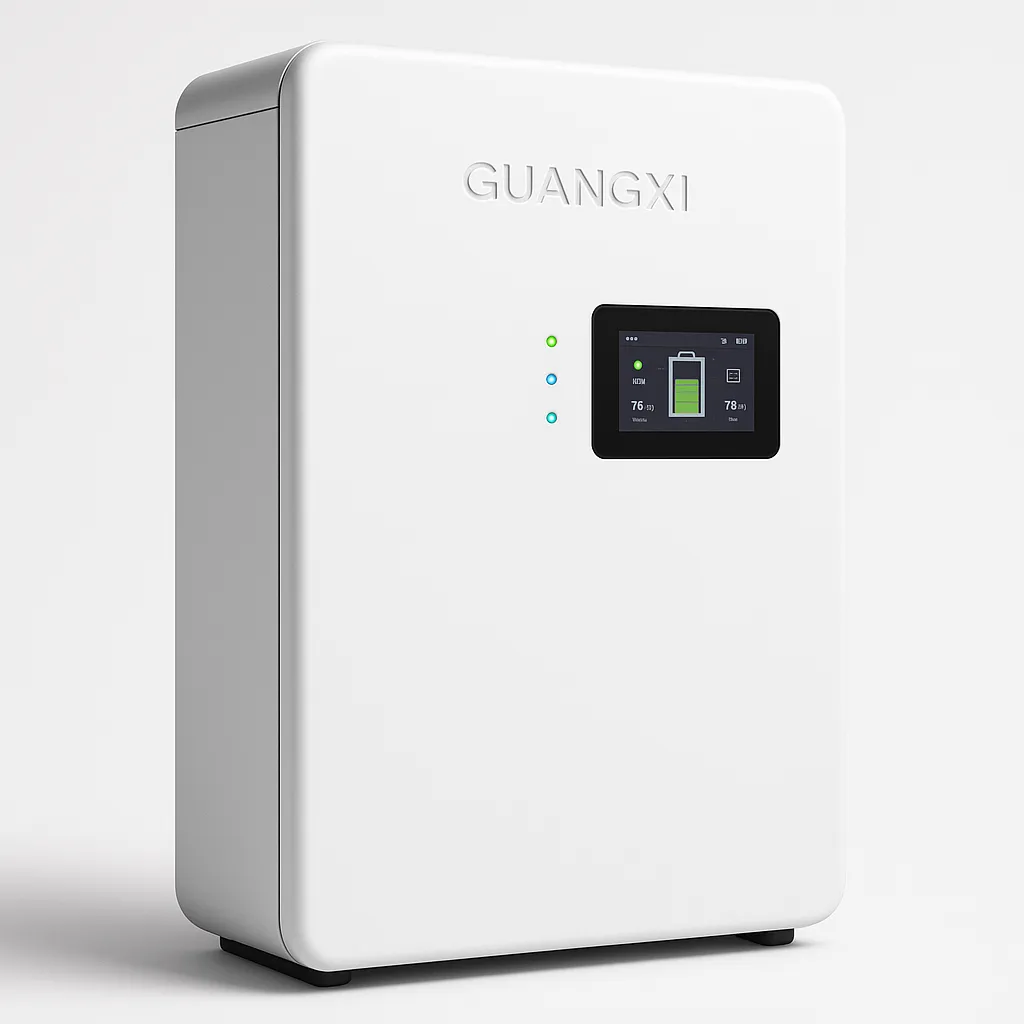
According to the Solar Energy Industries Association (SEIA), the average US residential solar system costs $$2.85 per watt before incentives in 2025 [Source: SEIA, 2025]. A typical 8kW hybrid system with battery storage runs$$18,000-25,000 before the 30% federal tax credit. After the credit, you're looking at $12,600-17,500 out of pocket.
But here's where it gets interesting: the savings aren't just from reduced electric bills. They come from avoiding peak-rate electricity entirely.
California Case Study: The NEM 3.0 Trap
In April 2023, California's Net Energy Metering 3.0 (NEM 3.0) went into effect, slashing export compensation by roughly 75% [Source: CPUC, 2023]. Homeowners with traditional grid-tied systems suddenly found their payback periods stretching from 5-6 years to 10+ years.
A San Jose homeowner with a 10kW grid-tied system watched their monthly electric bill drop from $$350 to...$$280. The system was exporting massive amounts of midday solar to the grid at 3-5 cents per kWh, then buying back peak power at 40-50 cents per kWh. The math was broken.
The solution: Add a hybrid inverter with TOU-optimized battery storage.
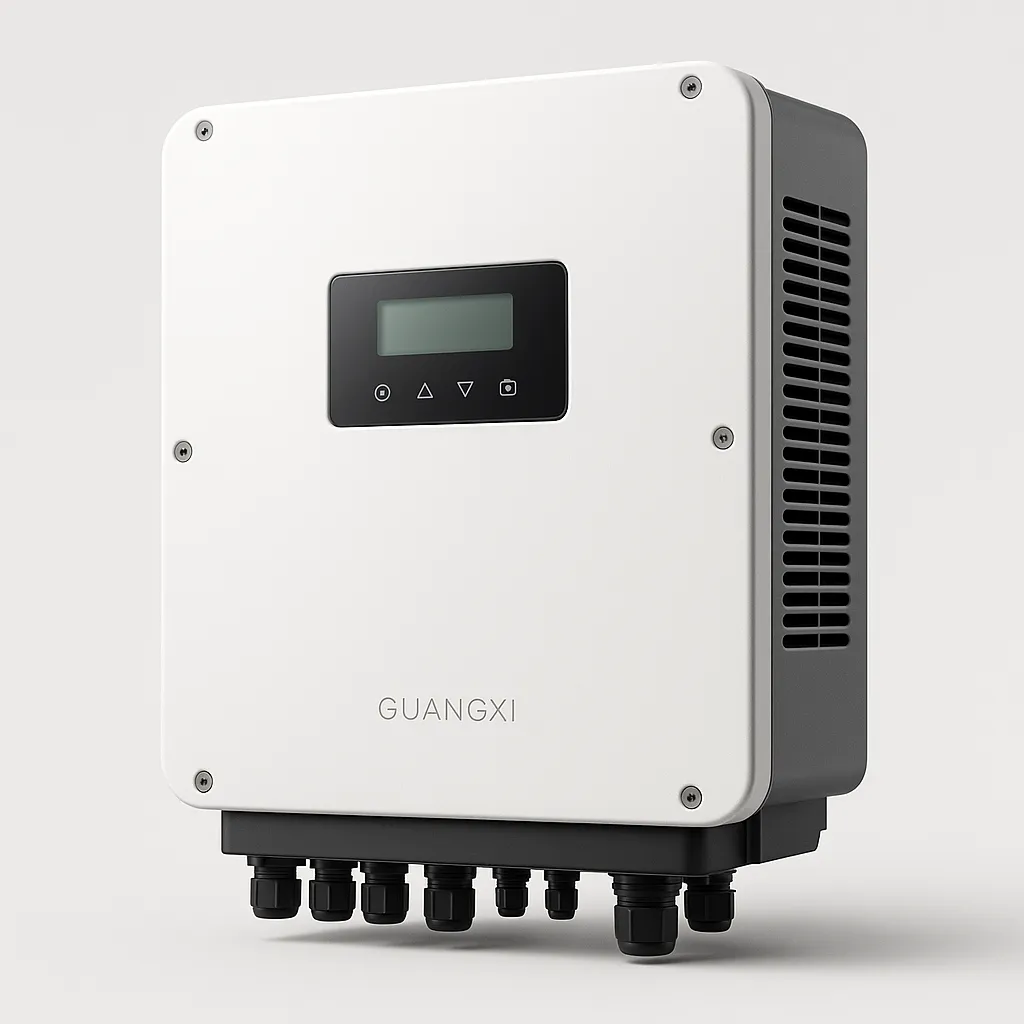
After upgrading to a SolarInverterUS 10kW hybrid inverter with intelligent TOU programming, the system now:
-
Charges the battery during midday surplus (when export rates are low)
-
Discharges during peak hours (4-9 PM, when rates hit $0.45-0.55/kWh)
-
Reduced grid purchases to near-zero during peak periods
Results:
-
Monthly bill: $$350 →$$45
-
Self-consumption rate: 40% → 88%
-
Annual savings: $3,660
-
System cost (hybrid upgrade): ~$15,500 after tax credit
-
Payback period: 4.2 years [CASE-002]
This isn't hypothetical—it's real data from an actual installation.
How TOU Automation Works
The magic is in the automation. Modern hybrid inverters like the SolarInverterUS series feature built-in Time-of-Use programming that runs on autopilot:
-
Set your utility's peak hours once (most California utilities: 4-9 PM)
-
The inverter handles the rest:
-
Charges batteries when solar production exceeds household load
-
Holds battery charge until peak hours begin
-
Automatically discharges to power your home during expensive peak periods
-
No manual switching, no daily management
The National Renewable Energy Laboratory (NREL) estimates that TOU-optimized storage can increase solar self-consumption by 30-50% compared to standard grid-tied systems [Source: NREL, 2024].
The Texas Perspective: Backup Value
In Texas, the ROI calculation looks different. The primary value isn't TOU savings—it's backup reliability during grid failures.
An Austin homeowner invested $$12,500 in an 8kW hybrid system with 15kWh battery storage. The direct electric bill savings are $$150/month ($$1,800/year). But the backup value during the 2024 spring storm outage—when power was out for 18 hours—was calculated at approximately$$500 in avoided hotel costs, food spoilage prevention, and continued productivity.
Real payback calculation:
-
System cost: $12,500
-
Annual bill savings: $1,800
-
Backup value (occasional): ~$300-500/year equivalent
-
Payback period: ~6.5 years
After payback, every kilowatt-hour generated is essentially free electricity for the remaining 15-20 years of system life. [CASE-001]
Battery Tax Credits: The Hidden Bonus
The Inflation Reduction Act extended the 30% Investment Tax Credit (ITC) to standalone battery storage starting in 2023 [Source: DOE, 2022]. This means:
-
You don't even need solar panels to claim the credit
-
Battery storage alone qualifies for 30% off
-
Combined solar + storage still gets the full 30% on total system cost
For a $$15,000 hybrid inverter + battery system, that's$$4,500 back in tax credits.
ROI Comparison Table
|
Scenario
|
System Cost (After Tax Credit)
|
Annual Savings
|
Payback Period
|
|
Traditional grid-tied (NEM 3.0 California)
|
$12,000
|
$840
|
14+ years
|
|
Hybrid + TOU storage (NEM 3.0 California)
|
$15,500
|
$3,660
|
4.2 years
|
|
Hybrid + backup (Texas)
|
$12,500
|
$2,100
|
~6 years
|
|
Traditional grid-tied (Texas, flat rates)
|
$10,000
|
$1,500
|
~6.5 years
|
Sources: CASE-001, CASE-002, SEIA 2025 average costs
The Math That Matters
Let's walk through a realistic calculation for a typical US homeowner:
Assumptions:
-
Monthly electric bill: $200
-
Local electricity rate: $0.16/kWh (US average)
-
System: 8kW hybrid + 10kWh battery
-
Total cost after 30% tax credit: $14,000
Year 1 Savings:
-
Solar generation offsets 80% of grid purchases: $1,920
-
TOU optimization adds 15% additional savings: $288
-
Total Year 1 savings: $2,208
Payback Calculation:
$$14,000 ÷$$2,208 = 6.3 years to break even
Years 7-25 (system lifetime):
-
18+ years of near-free electricity
-
At current rates: $$2,208 × 18 = *$$39,744 in pure savings**
-
If electricity rates rise 3% annually (historical average): $50,000+ in savings
When Hybrid Makes Financial Sense
Hybrid inverters deliver the strongest ROI when:
-
You live in a TOU rate territory (California, Arizona, Nevada)
-
Your utility has low net metering rates (NEM 3.0 California)
-
Grid reliability is questionable (Texas, storm-prone areas)
-
You plan to stay in your home 5+ years
If you're in a flat-rate territory with full net metering and reliable grid power, a traditional string inverter may make more financial sense. But for the 60%+ of Americans living in TOU territories or unreliable-grid states, hybrid systems are the mathematically superior choice.
Want us to run your specific numbers? Send us your last 12 months of electric bills and we'll calculate your exact payback period.