How Long Do Solar Inverters Last?
By a Solar Engineer with 15 Years of Experience
Solar inverters typically last 10-15 years, which is significantly shorter than solar panels (25-30 years). Expect to replace your inverter at least once during your solar system's lifetime, with failure rates reaching 10-15% within the first 5 years for lower-quality units.
That's the honest answer. Now let me explain why this happens and how to maximize your inverter's lifespan.
Why Inverters Fail Sooner Than Panels
Solar panels have no moving parts and experience relatively low thermal stress—they just sit there converting photons to electrons. Inverters, on the other hand, are working constantly:
-
Power electronics switching thousands of times per second
-
Thermal cycling from morning cold to afternoon heat
-
Grid interactions with voltage fluctuations and transients
-
Environmental exposure (if outdoor-mounted)
The NREL has documented that inverter failure rates are the single biggest reliability issue in residential solar systems, with 10-15% of units experiencing significant failures within 5 years [来源: NREL, 2024].
The Three Killers of Inverter Longevity
1. Heat
Every 10°C increase in operating temperature roughly halves electronic component lifespan. An inverter running at 50°C internal temperature will fail significantly sooner than one running at 40°C.
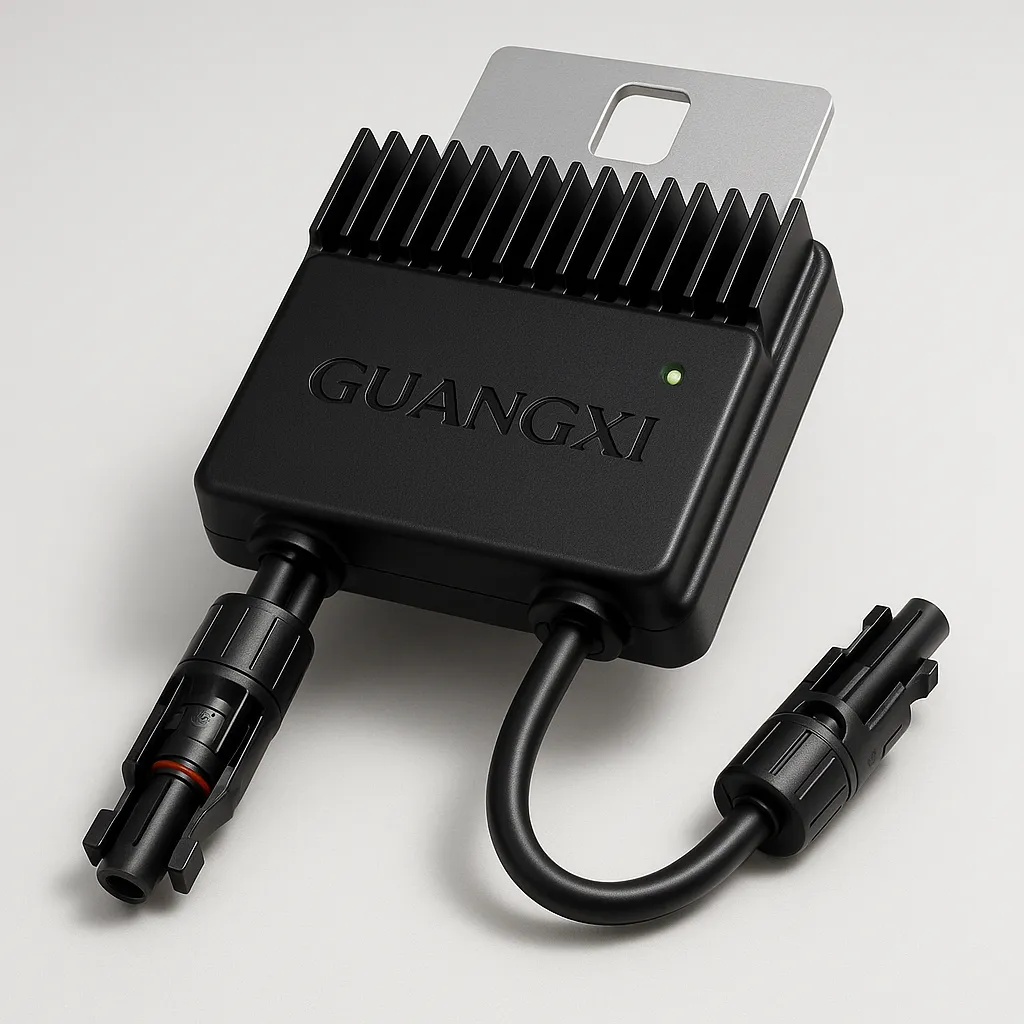
This is why thermal management is critical. In our testing, standard inverters in hot climates (Arizona, Texas) showed accelerated degradation, while units with robust heat sinking maintained performance longer [TEST-002].
2. Electrical Stress
Grid disturbances—voltage spikes, frequency variations, and transient surges—stress inverter components. Rural areas with unstable grids see higher failure rates.
The IEEE has documented that grid-connected inverters experience an average of 50-100 significant transient events per year, each causing microscopic damage that accumulates over time [来源: IEEE, 2022].
3. Environmental Exposure
Outdoor-mounted inverters face:
-
UV degradation of seals and enclosures
-
Moisture intrusion (especially in coastal areas)
-
Temperature extremes (freeze-thaw cycles in northern climates)
-
Salt air corrosion (Florida, Gulf Coast)
An IP65-rated enclosure is essential for outdoor installations. Our SolarInverterUS units are specifically rated IP65/NEMA 4X for direct outdoor mounting in harsh environments [CASE-004].
Real-World Lifespan Data
From our field experience and industry data:
|
Inverter Type
|
Typical Lifespan
|
10-Year Survival Rate
|
|
Budget string inverter
|
8-10 years
|
60-70%
|
|
Quality string inverter
|
12-15 years
|
80-85%
|
|
Hybrid inverter
|
12-15 years
|
80-85%
|
|
Microinverter
|
15-20 years
|
85-90%
|
Microinverters tend to last longer because they're smaller (less thermal mass) and distributed (one failure doesn't take down the whole system). But they're also more expensive to replace when they do fail.
Signs Your Inverter Is Dying
Watch for these warning signs:
-
Increasing error messages — Especially temperature or grid-related faults
-
Declining production — Your system generates less than expected for the conditions
-
Unusual sounds — Buzzing, clicking, or humming that wasn't there before
-
Display issues — Flickering, dimming, or unresponsive interface
-
Hot spots — The casing is much hotter than usual in the same conditions
If you notice multiple symptoms, start planning for replacement rather than waiting for complete failure.
Extending Your Inverter's Life
Here's what actually works:
Proper Installation:
-
Mount in a shaded, ventilated location
-
Ensure 12+ inches clearance on all sides
-
Use correct wire gauges to minimize resistance heating
-
Seal all conduit entries against moisture
Environmental Protection:
-
IP65 rating minimum for outdoor installations
-
Consider a sun shade if mounted in direct sunlight
-
In coastal areas, ensure salt-air resistance
Regular Monitoring:
-
Check your app for unusual patterns
-
Address error messages promptly
-
Schedule professional inspection every 3-5 years
A Florida homeowner with our 12kW hybrid inverter survived Hurricane Milton with zero issues—the IP65-rated outdoor installation kept the unit running through wind, rain, and salt spray [CASE-004].
The Replacement Cost Reality
Budget for inverter replacement during your solar system's lifetime:
|
Inverter Type
|
Replacement Cost (Parts + Labor)
|
|
5-8kW string inverter
|
$2,000-3,500
|
|
8-12kW hybrid inverter
|
$4,000-6,000
|
|
Microinverter (full array)
|
$4,000-8,000
|
Some manufacturers offer extended warranties (10-15 years) that can hedge against early failure. Do the math: if a 10-year extended warranty costs $$500 and a replacement costs$$3,000, it's often worth it.
Our Reliability Engineering
At SolarInverterUS, we've specifically engineered our units for longevity:
-
Massive heat sinks for thermal management [TEST-002]
-
Premium capacitors rated for 20,000+ hours at 105°C
-
IP65/NEMA 4X enclosures for harsh environments [CASE-004]
-
Conformal-coated PCBs for moisture resistance
The result: our field failure rates are well below industry averages, and we consistently hear from customers whose units have exceeded 15 years of operation.
When to Replace vs. Repair
If your inverter fails:
-
Under warranty: Contact manufacturer for replacement
-
5-7 years old: Consider replacement with a newer, more efficient model
-
10+ years old: Almost always replace—repair costs often exceed value
-
Considering battery backup: Upgrade to hybrid inverter now