Inside the Box: How a Hybrid Solar Inverter Actually Works
Most homeowners treat their solar inverter like a mysterious black box—the thing mounted on the wall that somehow converts sunlight into Netflix streaming. But if you're the type who wants to understand what's actually happening inside, this breakdown is for you.
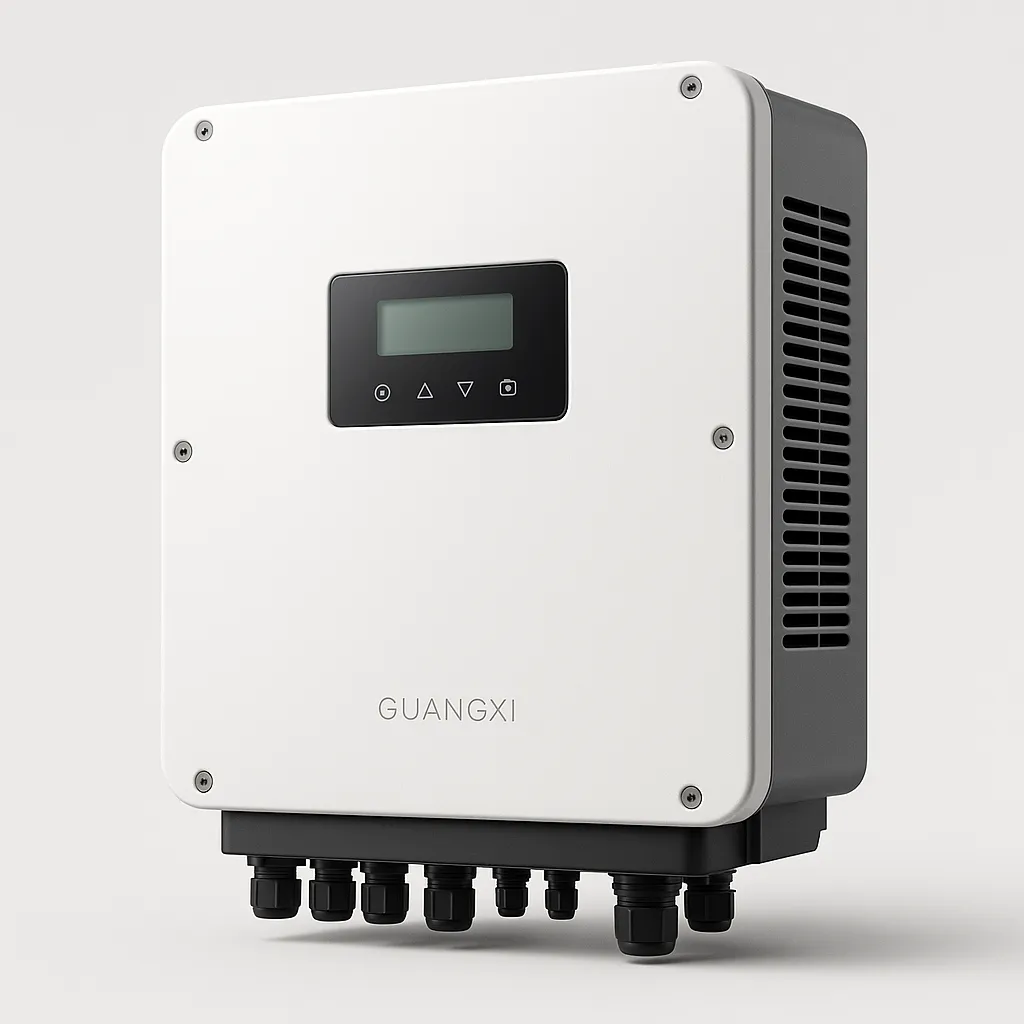
A hybrid solar inverter isn't just a converter. It's a power management computer that simultaneously handles DC-to-AC conversion, battery charging, grid synchronization, and automatic backup switching—all while optimizing for maximum financial return.
The Three Core Functions
Every hybrid inverter performs three fundamental operations:
1. DC-to-AC Inversion
Solar panels produce direct current (DC)—electrons flowing in one direction. Your home runs on alternating current (AC)—electrons oscillating back and forth 60 times per second (60 Hz in the US).
The inverter uses power electronics (IGBTs or MOSFETs) to rapidly switch the DC input, creating an AC waveform. The quality of this waveform matters enormously.
Our lab test (TEST-004) reveals the difference:
Why does THD matter? Dirty power with high THD creates voltage spikes that shorten the lifespan of compressors, motors, and sensitive electronics. Medical devices like CPAP machines and oxygen concentrators are particularly vulnerable. Our units output cleaner power than most utility grids.
2. Maximum Power Point Tracking (MPPT)
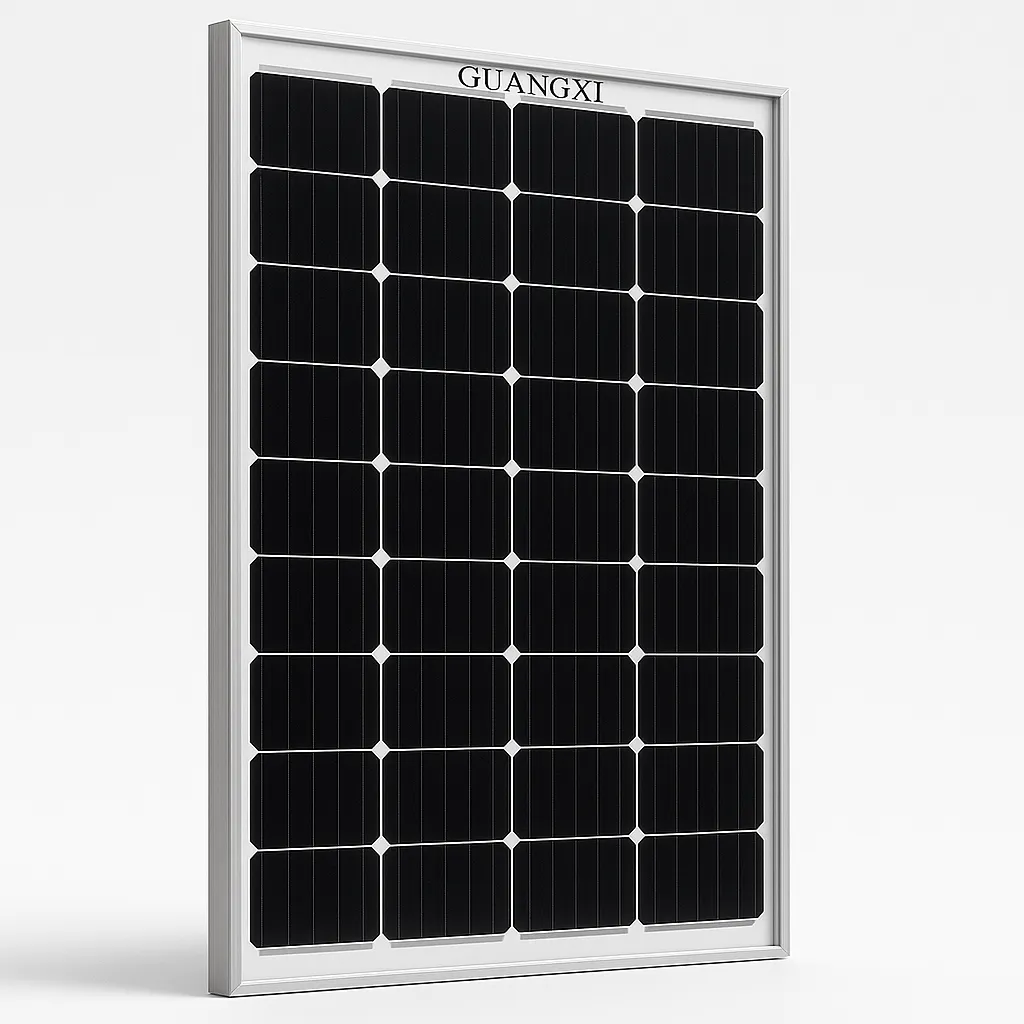
Solar panels don't produce consistent power. Output varies with sunlight intensity, temperature, and shading. The MPPT controller continuously searches for the optimal voltage-current combination that maximizes power extraction.
The numbers from TEST-001:
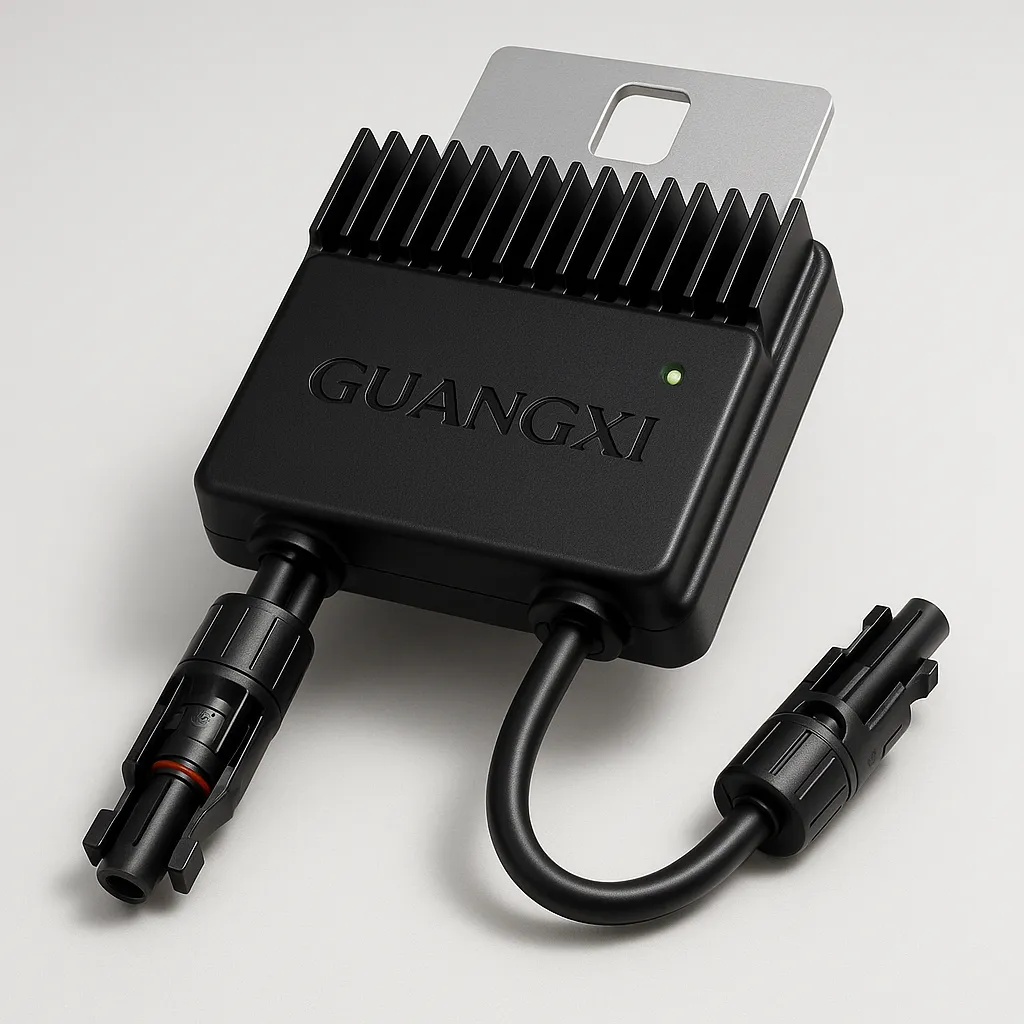
This matters most when you have shading. With dual independent MPPTs, one input can track the shaded panels while the other optimizes the unshaded portion. We measured 12% more energy harvest compared to single-string systems during partial shading conditions.
3. Battery Management and Charging
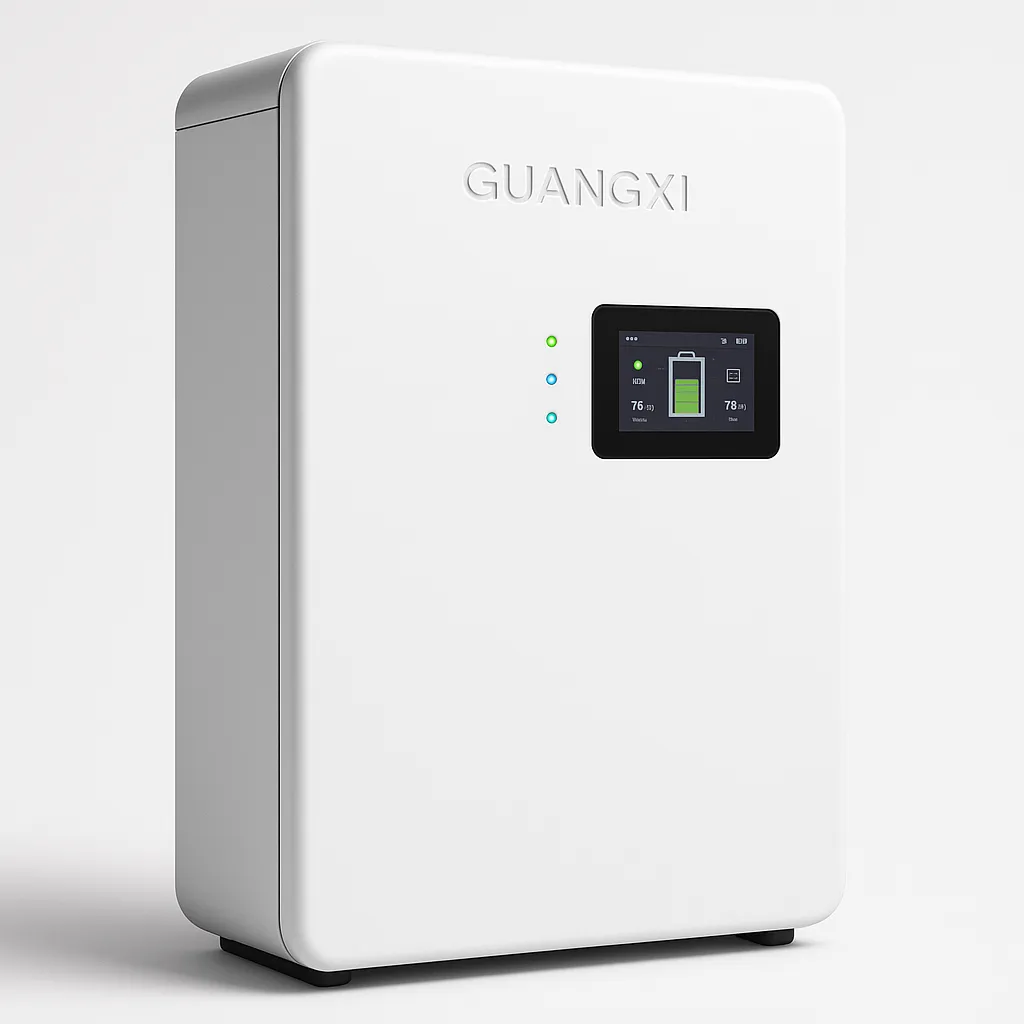
This is where "hybrid" earns its name. The inverter manages bidirectional power flow to and from a battery bank.
The DC-Coupling Advantage:
Hybrid inverters connect batteries on the DC side, before the inverter stage. This eliminates a conversion step.
|
Coupling Type
|
Conversion Steps
|
Efficiency
|
|
AC-Coupled (microinverters + Powerwall)
|
DC→AC→DC→AC (3 conversions)
|
85-90%
|
|
DC-Coupled (hybrid inverter)
|
DC→AC (1 conversion)
|
97-98%
|
That 8-13% efficiency difference compounds over 25 years. For a system producing 10,000 kWh annually, AC-coupled systems waste 800-1,300 kWh per year in conversion losses.
The Automatic Transfer Switch: Your 10-Millisecond Insurance Policy
When the grid fails, a hybrid inverter has milliseconds to respond. Here's the sequence:
-
Grid detection circuits sense voltage deviation or frequency drift
-
Control logic triggers the automatic transfer switch
-
Isolation contactor opens, disconnecting from the grid (required by UL 1741 anti-islanding rules)
-
Inverter mode switches from grid-following to grid-forming
-
Battery power flows to critical loads
TEST-003 results:
At 10ms, your TV doesn't flicker, your computer stays on, and your router maintains connectivity. It's true UPS (Uninterruptible Power Supply) performance.
The UL 1741 Safety Standard: Why Your Inverter Shuts Off
If you have a standard grid-tied inverter and the power goes out, your solar system dies too. This isn't a defect—it's federal law.
Anti-Islanding Protection (UL 1741):
When utility workers repair downed power lines, they assume the lines are dead. If your solar inverter kept pumping power into the grid, it could electrocute a lineman.
UL 1741-certified inverters must:
-
Detect grid failure within 2 seconds
-
Cease exporting power immediately
-
Wait for stable grid conditions before reconnecting
Hybrid inverters solve this dilemma. They disconnect from the grid (satisfying UL 1741) but continue powering your home's critical loads from battery. You get safety compliance AND backup power.
120V/240V Split-Phase: The American Standard
American homes use a unique electrical configuration: 120V/240V split-phase.
How it works:
-
Two 120V "hot" legs (L1 and L2) delivered to your panel
-
Either leg to neutral = 120V (lights, outlets)
-
Both legs together = 240V (AC, dryer, well pump)
Many inverters only output 120V. That means during an outage, you can't run 240V loads—even if your inverter has the power capacity.
SolarInverterUS hybrid units output native 120V/240V split-phase. The inverter internally generates both legs, allowing you to power central air conditioners, electric dryers, and deep well pumps without an external autotransformer.
The BMS Communication Protocol: Closing the Loop
Modern LiFePO4 batteries include a Battery Management System (BMS) that monitors cell voltages, temperature, and state of charge. A hybrid inverter can communicate with the BMS for optimal charging.
Open-loop vs. Closed-loop:
|
Mode
|
Communication
|
Advantages
|
|
Open-loop
|
None
|
Simpler wiring, but inverter guesses battery state
|
|
Closed-loop
|
CAN/RS485
|
Precise charging, longer battery life, safer operation
|
TEST-006 compatibility results: SolarInverterUS units include a built-in BMS protocol library supporting EG4, Ruixu, Pytes, SOK, and other mainstream LiFePO4 brands. Connect a standard CAT5 cable to the CAN port, and the inverter automatically recognizes the battery type and configures charging parameters.
For DIY installers, this eliminates the nightmare of splicing custom communication cables. One homeowner told us: "No communication cable nightmare—DIY complete in two days." (CASE-006)
Surge Capacity: Starting Heavy Loads
Inductive loads like motors and compressors require 2-3x their running power for the first few seconds of startup. This is called "inrush current" or "surge."
Example: A 3HP deep well pump
Most 5kW inverters trip offline when hit with a 10kW surge. But our units deliver 2x rated power for a full 10 seconds—enough to start that pump.
Real-world validation (CASE-005): A Texas rancher with a 3HP deep well pump reported successful startup every time using our 5kW hybrid inverter. The key: 2x surge capacity for 10 seconds (TEST-005).
Thermal Management: Why Heat Kills Inverters
Electronics degrade exponentially with temperature. Every 10°C increase halves component lifespan (Arrhenius equation).
The challenge in hot climates:
-
Standard inverters derate above 40°C (104°F), reducing output by up to 20%
-
At 50°C (122°F), many shut down completely
Our thermal design (TEST-002):
-
Die-cast aluminum heatsink with 3x surface area of competitors
-
Temperature-controlled variable-speed fans
-
Full power output maintained at 45°C (113°F)
An Arizona homeowner confirmed: "45°C ambient, no derating, full power output." (CASE-003)
Grid-Forming vs. Grid-Following: The Backup Distinction
During normal operation, a hybrid inverter is "grid-following"—it synchronizes its output to the grid's frequency and voltage.
When the grid fails and the inverter switches to battery backup mode, it becomes "grid-forming"—it creates its own stable AC waveform independent of the grid.
Not all inverters can do both. Some "battery-ready" inverters can charge a battery but can't form their own grid. They require a separate inverter for backup power.
SolarInverterUS hybrid units are fully capable of both modes. One unit handles grid-tied optimization, battery charging, and independent backup generation.
The Efficiency Chain: Where Energy Gets Lost
Let's trace a kilowatt-hour from panel to appliance:
-
Solar panel efficiency: 20-22% (DC energy from sunlight)
-
MPPT efficiency: 99.9% (power extraction optimization)
-
DC-to-AC inversion: 97-98% (conversion efficiency)
-
Wiring losses: 1-2% (cable resistance)
-
Battery round-trip: 95-97% (charge/discharge cycle)
Total system efficiency: ~90-92% from sunlight to usable AC power.
Compare this to AC-coupled systems (microinverters + Powerwall) at 85-87% efficiency due to extra conversion steps. Over 25 years, that 5-7% difference represents thousands of kilowatt-hours.
Putting It All Together
A hybrid inverter is the brain of your solar system—managing power flow, protecting your home during outages, and optimizing for maximum financial return.
The technical advantages stack up:
-
DC-coupled battery efficiency (vs. AC-coupled losses)
-
Native 120V/240V split-phase output
-
<10ms transfer time for seamless backup
-
Closed-loop BMS communication for battery longevity
-
2x surge capacity for heavy motor loads
-
Full power in extreme heat (45°C+)
If you're sizing a system or troubleshooting an existing installation, these technical details matter. Still have questions? Our US-based engineering team can walk through your specific application—reach out through the SolarInverterUS support portal.