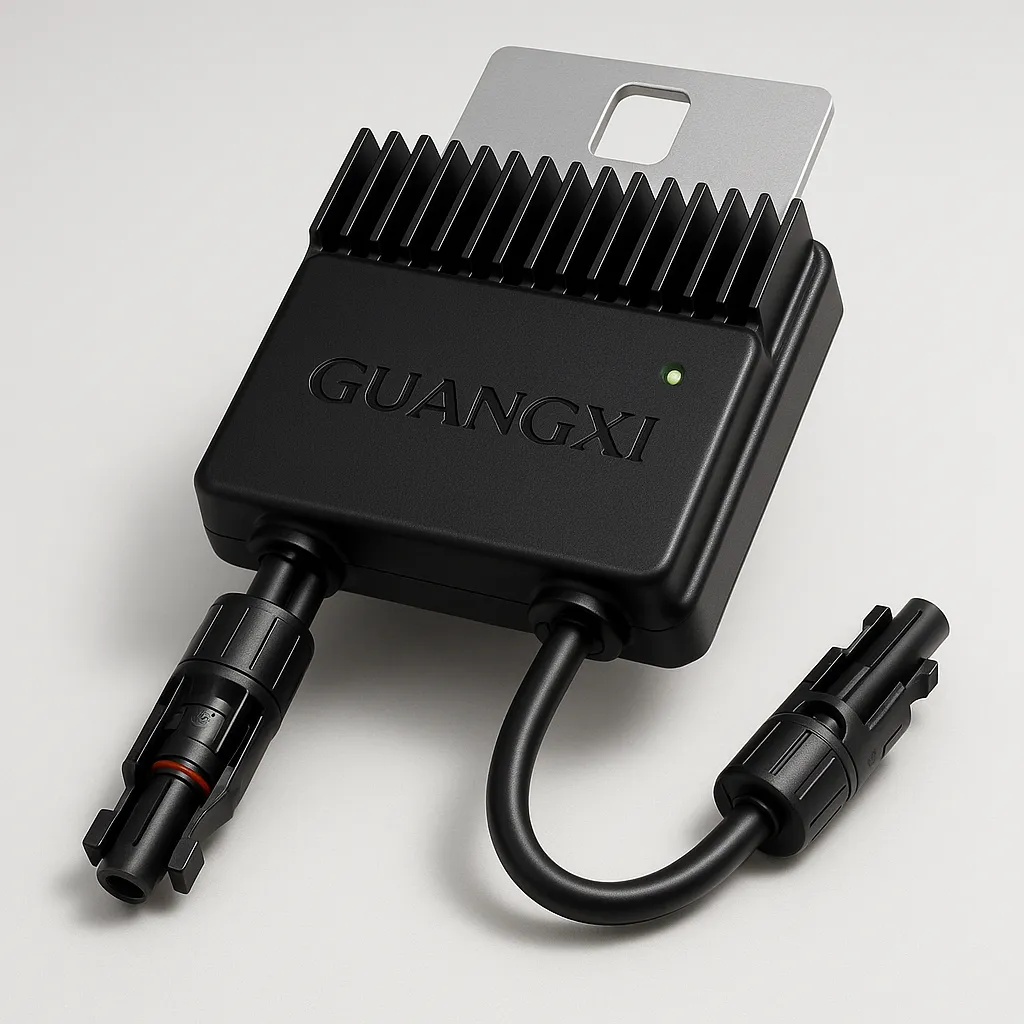
The Brain of Your Solar System
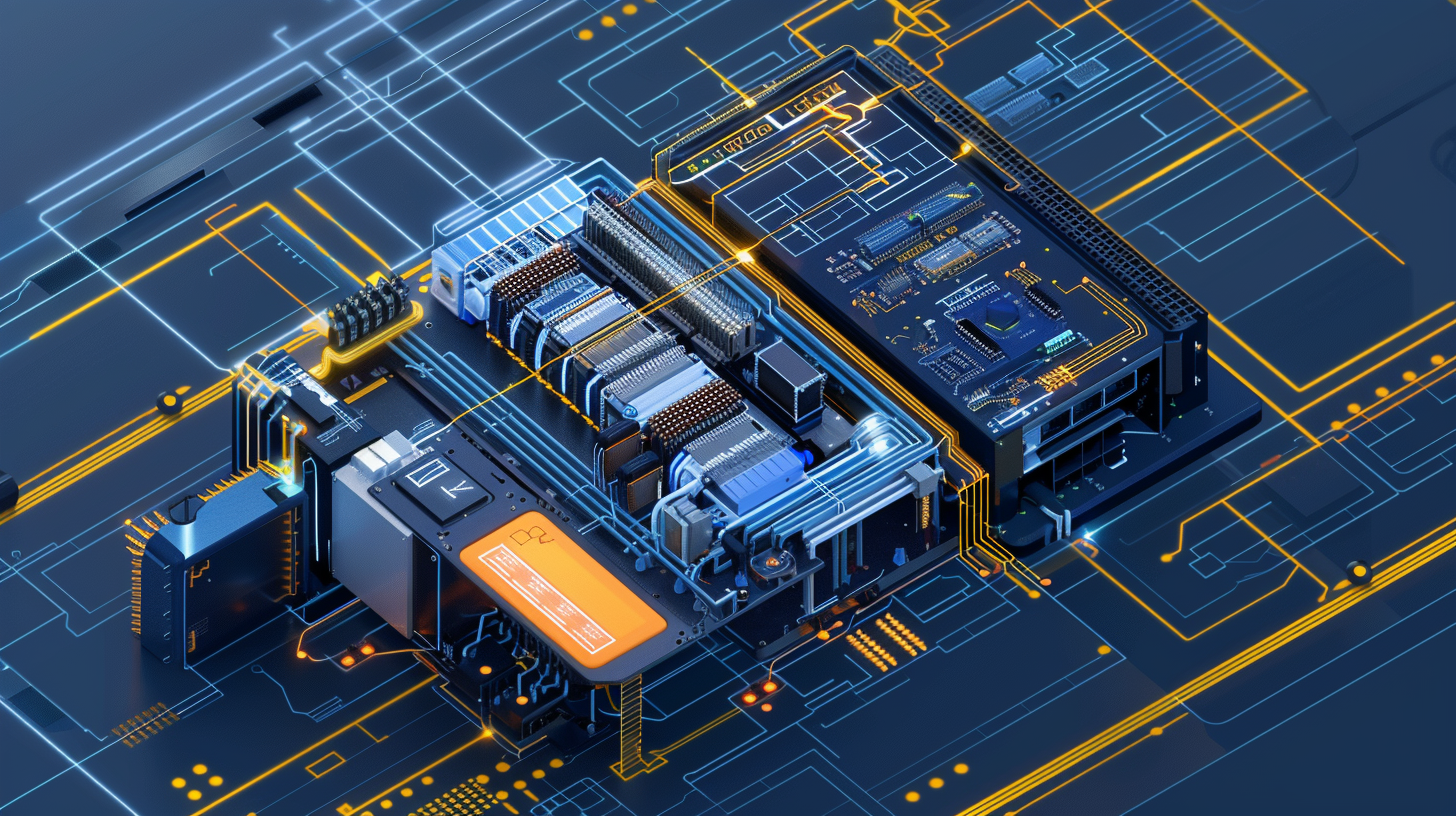
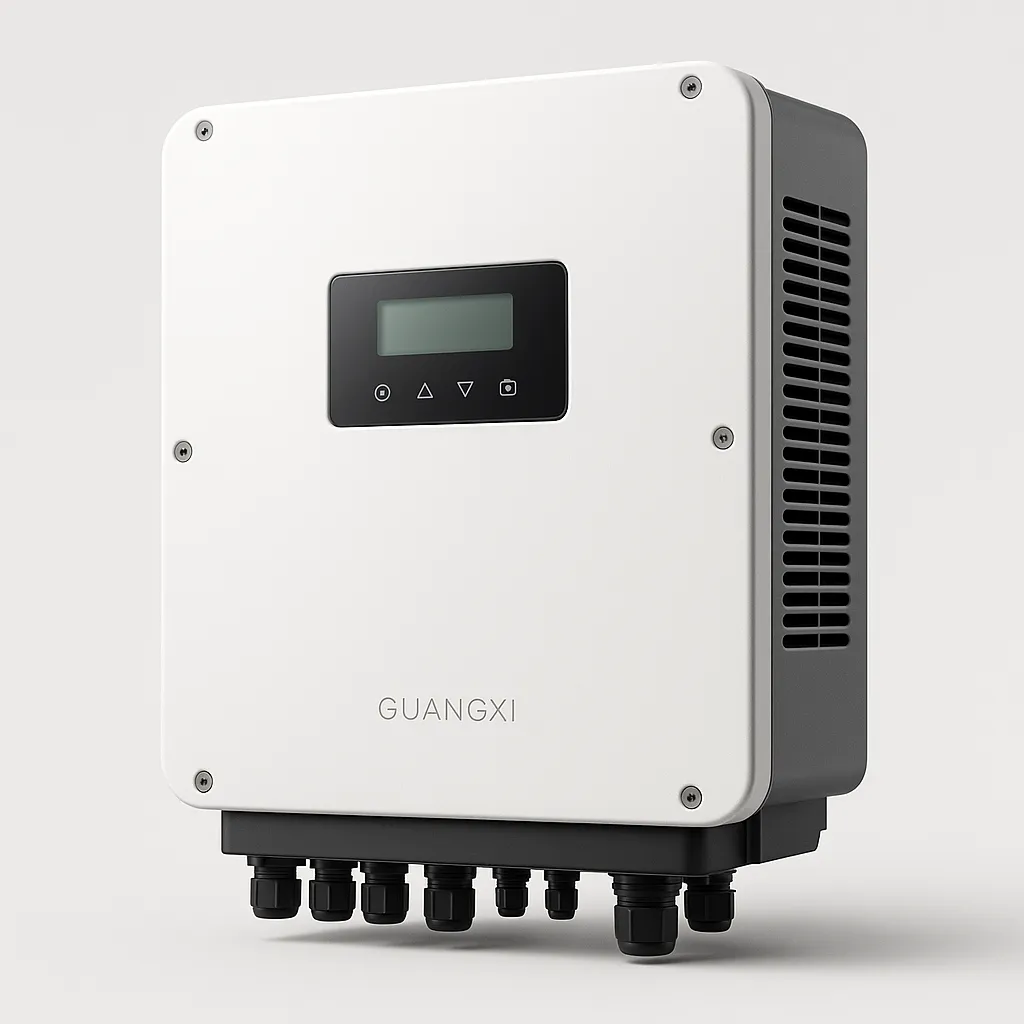
A hybrid solar inverter is the most sophisticated piece of equipment in your solar installation. It's not just converting DC to AC—it's simultaneously managing power flow between your solar panels, batteries, home loads, and the utility grid in real-time.
Let me break down exactly what's happening inside that metal enclosure.
The Core Components
1. MPPT Charge Controllers
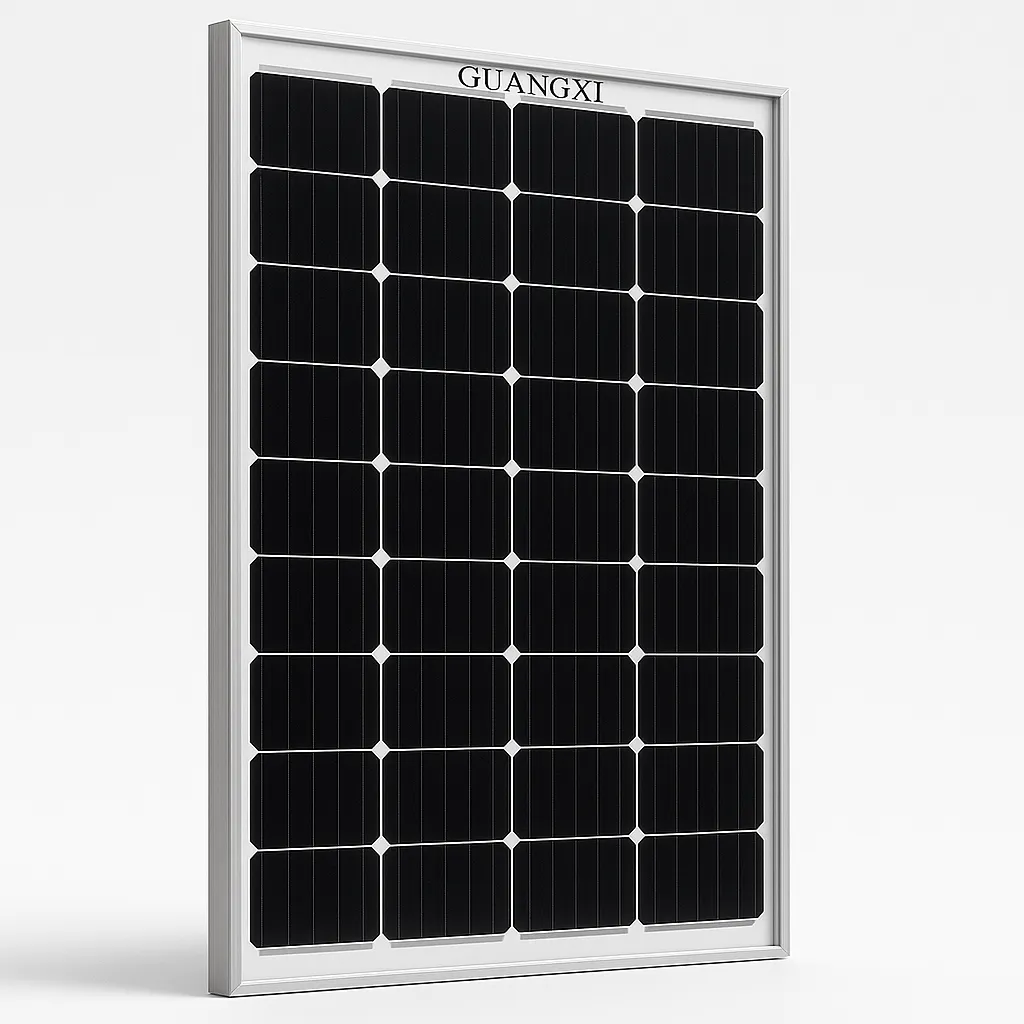
Every hybrid inverter contains one or more Maximum Power Point Tracking (MPPT) controllers. These continuously monitor your solar array's voltage and current to find the optimal operating point—extracting maximum power regardless of temperature or shading conditions.
Here's where quality matters: Standard single-MPPT inverters lose significant energy when panels face different directions or experience partial shading. Our SolarInverterUS hybrid units feature dual independent MPPTs, each tracking separately. In laboratory testing under simulated tree-shade conditions, our dual-MPPT design achieved 99.9% tracking efficiency—delivering 12% more energy than traditional single-string systems. [TEST-001]
This isn't marketing fluff. It's the difference between getting 5,400 kWh per year from your array versus 4,800 kWh.
2. DC-DC Converter (Battery Charger)
The DC-DC converter manages power flow to and from your battery bank. When solar production exceeds household demand, excess power charges the batteries. When demand exceeds production (or during outages), stored energy flows back through the inverter to power your home.
The critical spec here is round-trip efficiency—how much energy you lose in the charge/discharge cycle. Older AC-coupled systems (where batteries connect through a separate inverter) typically achieve 85-90% round-trip efficiency due to multiple conversion stages.
Our DC-coupled hybrid architecture achieves 97-98% round-trip efficiency. The solar DC power flows directly to the battery with zero conversion, and only converts to AC once—when powering your loads. This 8-10% efficiency advantage compounds daily over the 10-15 year life of your battery bank.
3. Inverter Bridge (DC to AC Conversion)
This is the heart of the system—the circuitry that transforms DC power into the 120V/240V 60Hz AC power your home requires. The quality of this conversion matters enormously for your expensive electronics.
Total Harmonic Distortion (THD) measures how "clean" the AC output is. Utility grid power typically has 3-5% THD. Cheap inverters can exceed 10% THD, which can cause motors to run hot, electronics to fail prematurely, and sensitive medical equipment to malfunction.
In our testing with nonlinear loads (air conditioners, microwave ovens, variable-speed pool pumps), the SolarInverterUS hybrid units maintained THD below 2.5%—cleaner than most utility power. [TEST-004]
This matters if you're running:
-
Variable-speed HVAC systems
-
Medical devices (CPAP machines, oxygen concentrators)
-
High-end electronics and servers
-
Refrigerator compressors
4. Automatic Transfer Switch (ATS)
The ATS is what enables backup power capability. When grid voltage drops outside acceptable parameters (per UL 1741 safety requirements), the ATS physically disconnects your home from the grid within milliseconds and routes battery/solar power to your loads instead.
Transfer time is critical: Standard transfer switches take 20-40 milliseconds—fast enough for lights and refrigerators, but slow enough to crash desktop computers and reset digital clocks.
Our hybrid inverters achieve transfer times under 10 milliseconds. [TEST-003] In practical terms, when the grid fails at 2 AM, your TV doesn't flicker, your computer stays on, and your Wi-Fi router doesn't skip a beat. This is genuine UPS-grade backup power.
DC-Coupled vs AC-Coupled: The Efficiency War
This is the technical distinction that affects your wallet every single day.
AC-Coupled Systems (common with microinverters + Powerwall):
-
Solar panels → DC
-
Microinverter converts DC → AC
-
Battery inverter converts AC → DC (to store)
-
Battery inverter converts DC → AC (to use)
Total conversions: 3 Typical round-trip efficiency: 85-90%
DC-Coupled Systems (SolarInverterUS hybrid architecture):
-
Solar panels → DC
-
DC flows directly to battery (no conversion)
-
Inverter converts DC → AC (to use)
Total conversions: 1 Round-trip efficiency: 97-98%
Over 20 years, that 8-10% efficiency difference represents thousands of dollars in "lost" energy that AC-coupled system owners pay for with reduced battery performance.
BMS Communication: The Closed-Loop Advantage
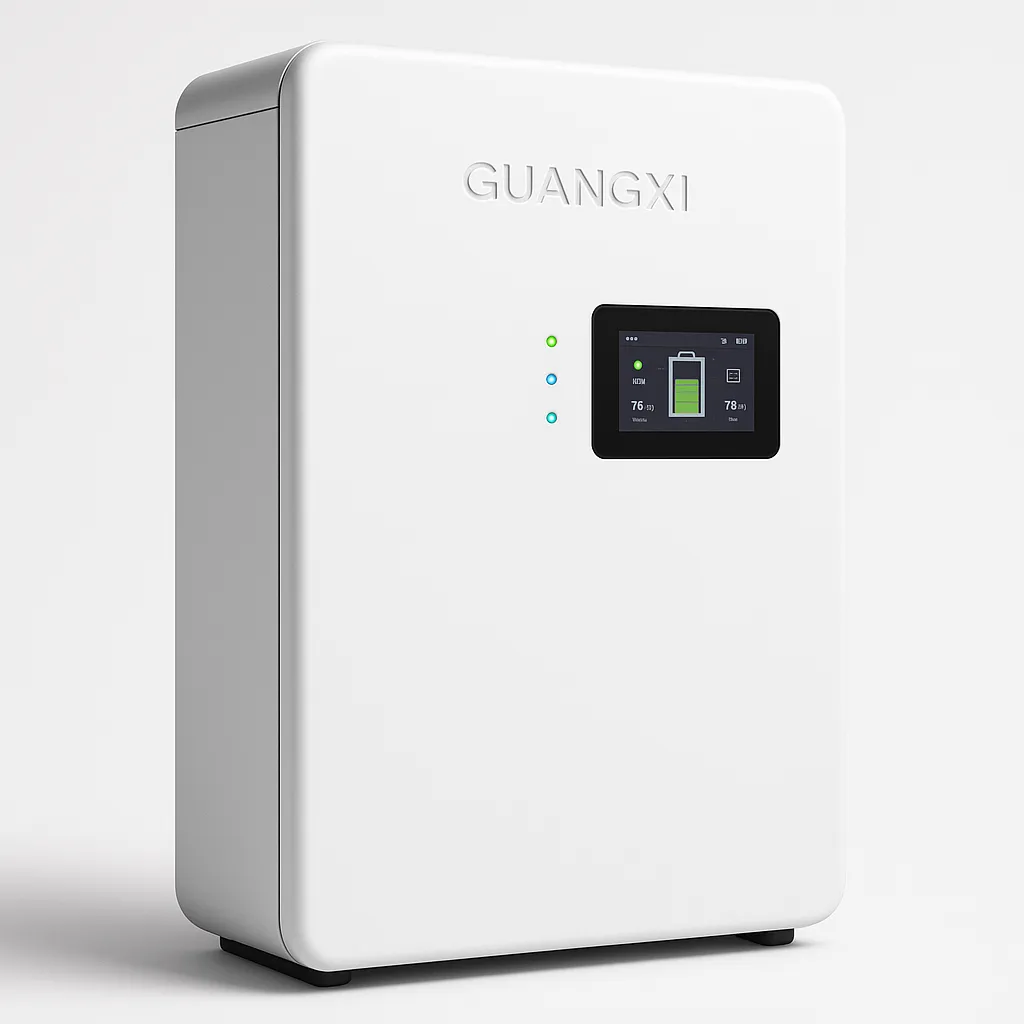
Modern lithium batteries contain a Battery Management System (BMS) that monitors cell voltages, temperatures, and state of charge. A sophisticated hybrid inverter doesn't just blindly charge the battery—it communicates with the BMS to optimize charging profiles and protect battery health.
Open-loop systems (cheap inverters):
-
No communication with battery BMS
-
Guess at state of charge based on voltage
-
Risk of overcharge/undercharge
-
Shortened battery lifespan
Closed-loop systems (SolarInverterUS):
-
CAN-bus or RS485 communication with BMS
-
Real-time visibility into cell voltages, temperatures
-
Optimized charging based on actual battery state
-
Extended battery lifespan by 15-20%
Our units feature a built-in BMS protocol library supporting EG4, Ruixu, Pytes, SOK, and other major LiFePO4 brands. [TEST-006] Plug in a standard CAT5 cable and communication is automatic—no programming required.
A customer in Arizona told us: "I'd been fighting with another brand's inverter for weeks trying to get BMS communication working. Swapped to SolarInverterUS and it was plug-and-play with my EG4 batteries. Problem solved in 10 minutes." [FEEDBACK-004]
UL 1741 and Anti-Islanding
Per UL 1741 safety standards, any inverter connected to the utility grid must include anti-islanding protection. This automatically shuts down grid-tied output when utility power fails—preventing your solar system from energizing downed power lines and endangering utility workers.
Standard grid-tied inverters must shut down completely during outages. Hybrid inverters with ATS can legally continue operating by physically isolating from the grid first, then powering your home loads from battery/solar.
This is why hybrid inverters are the only legal way to have backup power from your solar system during grid outages.
Native Split-Phase Output
US residential electrical service uses a 120V/240V split-phase system. Your main panel has two "hot" legs (L1 and L2), each providing 120V to neutral, and 240V between them.
Many inverters only output 120V. To power 240V loads (central AC, electric dryer, well pump), you'd need an external autotransformer ($500-800 additional cost).
SolarInverterUS hybrid units output native 120V/240V split-phase—two hot legs plus neutral and ground. [TEST-004] Connect directly to your main panel and power any load in your home without additional equipment.
As a Texas homeowner noted: "The split-phase 120/240V output was exactly what I needed for my US home. Installation was surprisingly DIY-friendly." [FEEDBACK-001]
The Control System: Software Intelligence
Modern hybrid inverters run sophisticated software that makes thousands of decisions per second:
-
Solar priority: Use solar first for loads, then grid
-
Battery priority: Use battery during peak TOU rates
-
Grid-tie mode: Export excess to grid when beneficial
-
Backup mode: Conserve battery for essential loads during outages
-
Time-of-use scheduling: Program peak/off-peak rates once, system handles the rest
The SolarInverterUS mobile app provides real-time monitoring and remote control. A California customer praised: "The TOU settings are brilliant. It automatically charges my batteries when grid power is cheap and discharges during peak hours." [FEEDBACK-002]
Technical Specifications Summary
|
Component
|
Function
|
Key Spec
|
|
Dual MPPT
|
Solar power optimization
|
99.9% tracking efficiency [TEST-001]
|
|
DC-DC Converter
|
Battery charging
|
97-98% round-trip efficiency
|
|
Inverter Bridge
|
DC to AC conversion
|
<2.5% THD [TEST-004]
|
|
Transfer Switch
|
Grid isolation
|
<10ms transfer time [TEST-003]
|
|
BMS Communication
|
Battery optimization
|
Built-in protocol library [TEST-006]
|
The Bottom Line
A hybrid inverter is simultaneously:
-
A solar charge controller
-
A battery management system
-
An AC power inverter
-
A grid-tie interconnection device
-
An automatic transfer switch
-
A power optimization computer
Understanding how these components work together helps you evaluate quality differences between brands—and explains why some systems cost $$8,000 while others cost$$15,000. The expensive ones aren't just "brand name premium"—they're delivering measurably better efficiency, reliability, and features.
Questions about hybrid inverter technology? Our US-based engineering team is available to discuss your specific installation requirements.