
EN
Contact Us
EN
Contact Us

Grid-Tied vs Off-Grid Inverter

2026/02/25

Grid-Tied vs Off-Grid Inverter
By a Solar Engineer Who's Installed 200+ Systems of Both Types
The grid-tied vs off-grid question isn't about which is "better"—it's about which matches your situation.
The wrong choice costs you: Go off-grid when you don't need to, and you'll spend $15,000+ on batteries you never use. Go grid-tied when you need backup power, and you'll sit in the dark during every outage.

The Quick Answer

Your Situation
What You Need
Why
Reliable grid, no outages
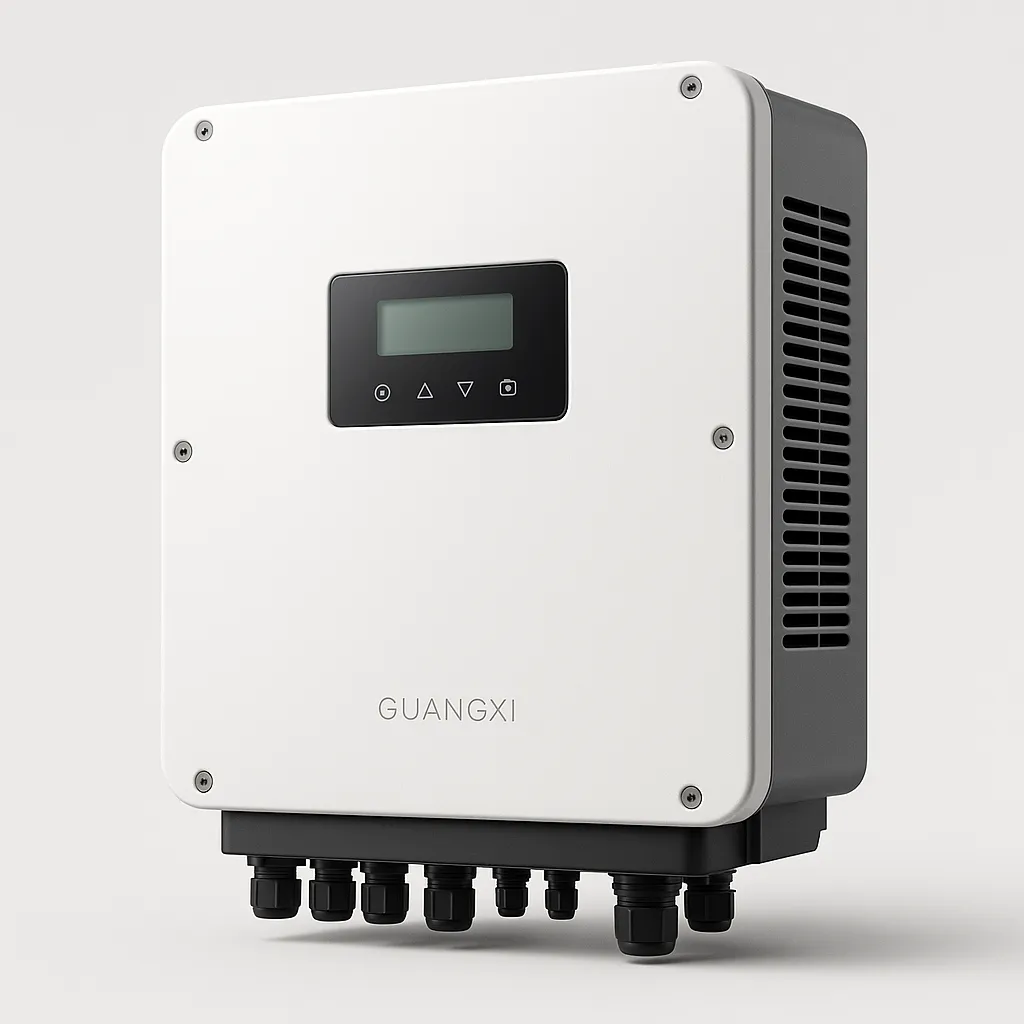
Grid-tied string inverter
Lowest cost, maximum ROI
Occasional outages (1-2x/year)
Grid-tied + small generator
Backup without battery expense
Frequent outages (TX, FL, CA)
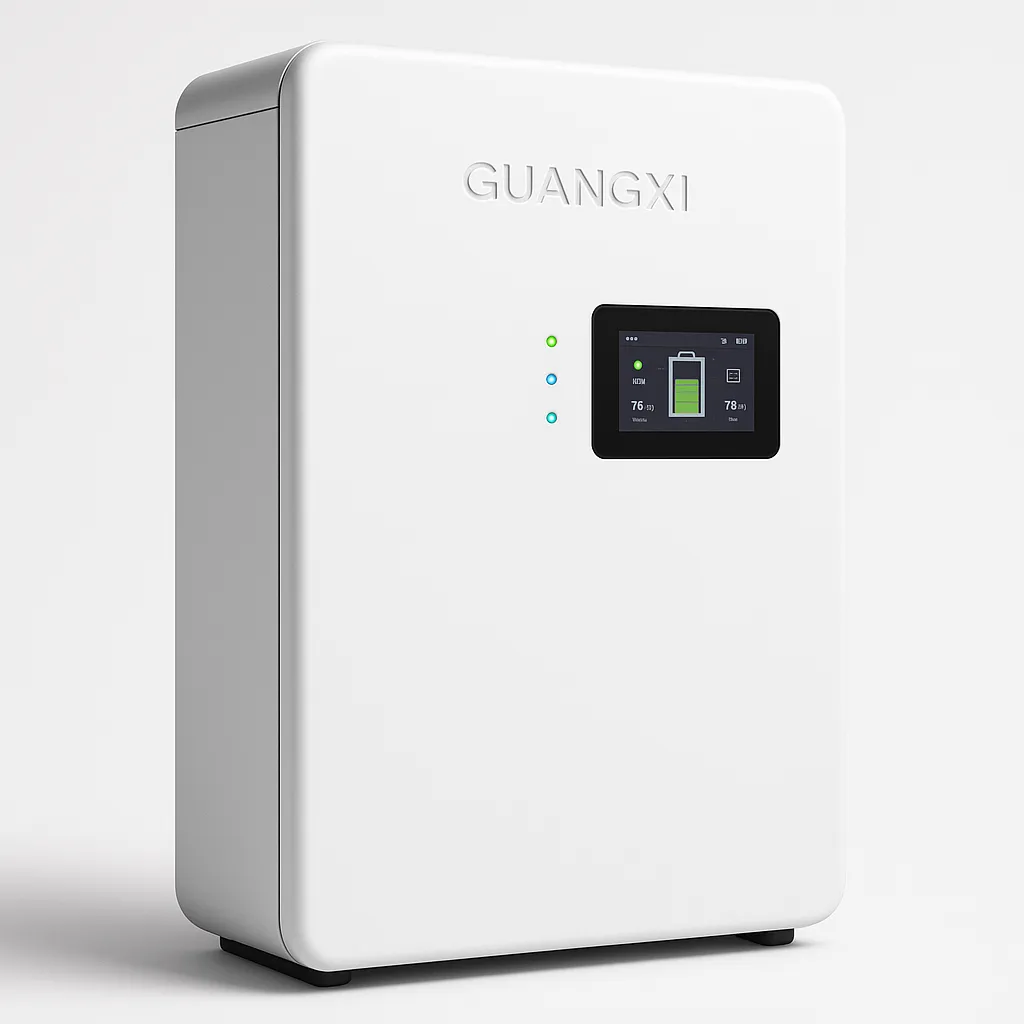
Hybrid inverter + battery
Automatic backup, daily savings
No grid available
Off-grid inverter + large battery
Only option for remote properties
NEM 3.0 California
Hybrid inverter + battery
TOU optimization essential

The Fundamental Difference

Grid-Tied Inverter
  • Converts solar DC to AC, synchronizes with grid, exports excess
  • ❌ NO backup power during outages
  • ❌ NO battery connection
  • Why: UL 1741 requires grid-tied inverters to shut down when grid fails (anti-islanding)
The trap: Many homeowners don't realize their "solar-powered" home produces ZERO power during a blackout. Your panels sit idle while you sit in the dark.
Hybrid Inverter (Grid-Tied + Battery)
  • ✅ Charges batteries from solar
  • ✅ Provides backup power during outages
  • ✅ TOU optimization (store cheap solar, use during peak rates)
  • ✅ Seamless transfer (<10ms) when grid fails
Off-Grid Inverter
  • Powers your home entirely from solar + battery, no grid connection
  • Requires large battery bank (3-5 days autonomy)
  • Generator backup for extended cloudy periods

Head-to-Head Comparison

Backup Power:
System Type
Works During Outage
Automatic Transfer
Grid-tied string
❌ No
N/A
Hybrid + battery
✅ Yes
✅ <10ms
Off-grid
✅ Yes
N/A
Daily Savings:
System Type
Monthly Bill Reduction
Grid-tied
$100-150
Hybrid + battery (TOU)
$150-250
Off-grid
$0 electric bill
Battery Compatibility:
System Type
Battery Type
Battery Cost
Grid-tied string
N/A
N/A
Hybrid
Standard 48V LiFePO4
$400-600/kWh
Off-grid
Standard 48V LiFePO4
$400-600/kWh

Cost Comparison (8kW System)

System Type
Total (Before Credit)
After 30% Credit
Grid-tied only
$18,000
$12,600
Hybrid + 10kWh battery
$26,000
$18,200
Hybrid + 20kWh battery
$33,000
$23,100
Off-grid (5-day battery)
$41,000
$28,700

ROI Comparison

System Type
Annual Savings
Payback Period
Grid-tied
$1,800
7.0 years
Hybrid + 10kWh
$2,800
6.5 years
Off-grid
$2,400*
12+ years

The California NEM 3.0 Reality

If you're in California, hybrid isn't optional—it's essential.
Under NEM 3.0:
  • Export rate: ~$0.05/kWh
  • Peak buy rate: ~$0.50/kWh
Grid-tied math: Export 1 kWh at noon, get $$0.05 credit. Buy 1 kWh at 6 PM, pay$$0.50. Net loss: $0.45/kWh cycled.
Hybrid math: Store that 1 kWh in battery. Use it at 6 PM. Avoid $$0.50 charge. Net savings:$$0.50/kWh.
Result: Hybrid systems in California pay back faster than grid-tied systems because of TOU optimization.

The Verdict

Situation
Recommendation
Reliable grid, budget-conscious
Grid-tied string inverter
Unreliable grid (TX/FL/CA)
Hybrid + battery
Remote property, no grid
Off-grid with generator backup
California under NEM 3.0
Hybrid + battery
My honest advice: For most American homeowners in 2026, especially in Texas, Florida, or California, a SolarInverterUS hybrid inverter with 10-15kWh battery is the right choice.

If you're facing similar challenges, contact us to get a customized solution.