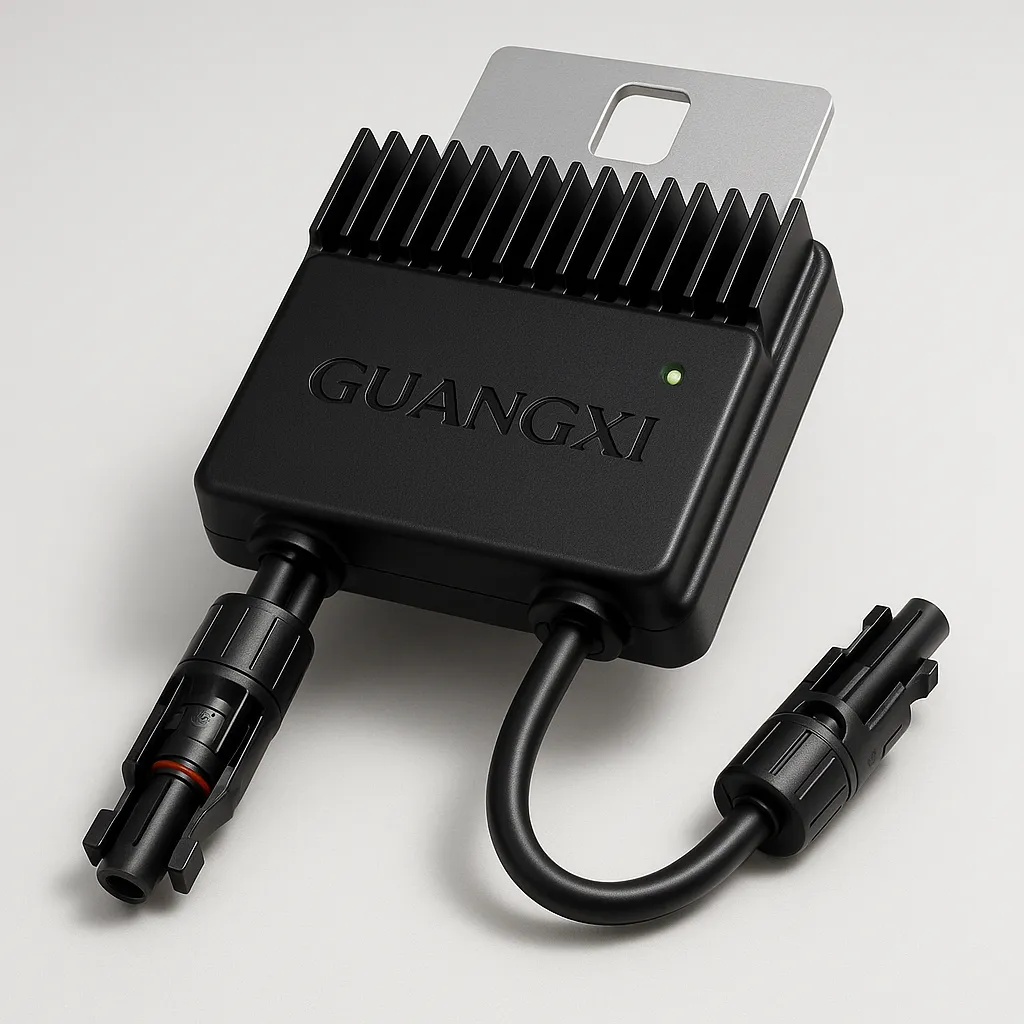
Can a Solar Inverter Work Without a Battery?
Yes, a solar inverter can work without a battery. A standard grid-tied string inverter operates without any battery storage—it converts DC power from solar panels to AC power for your home while feeding excess to the grid. However, a hybrid inverter running without a battery loses its backup power capability and operates as a standard grid-tied unit.
I get this question constantly from homeowners trying to minimize upfront costs. The short answer is simple. The implications are more nuanced.
Let me walk you through both scenarios.
Scenario 1: Standard Grid-Tied Inverter (No Battery Required)
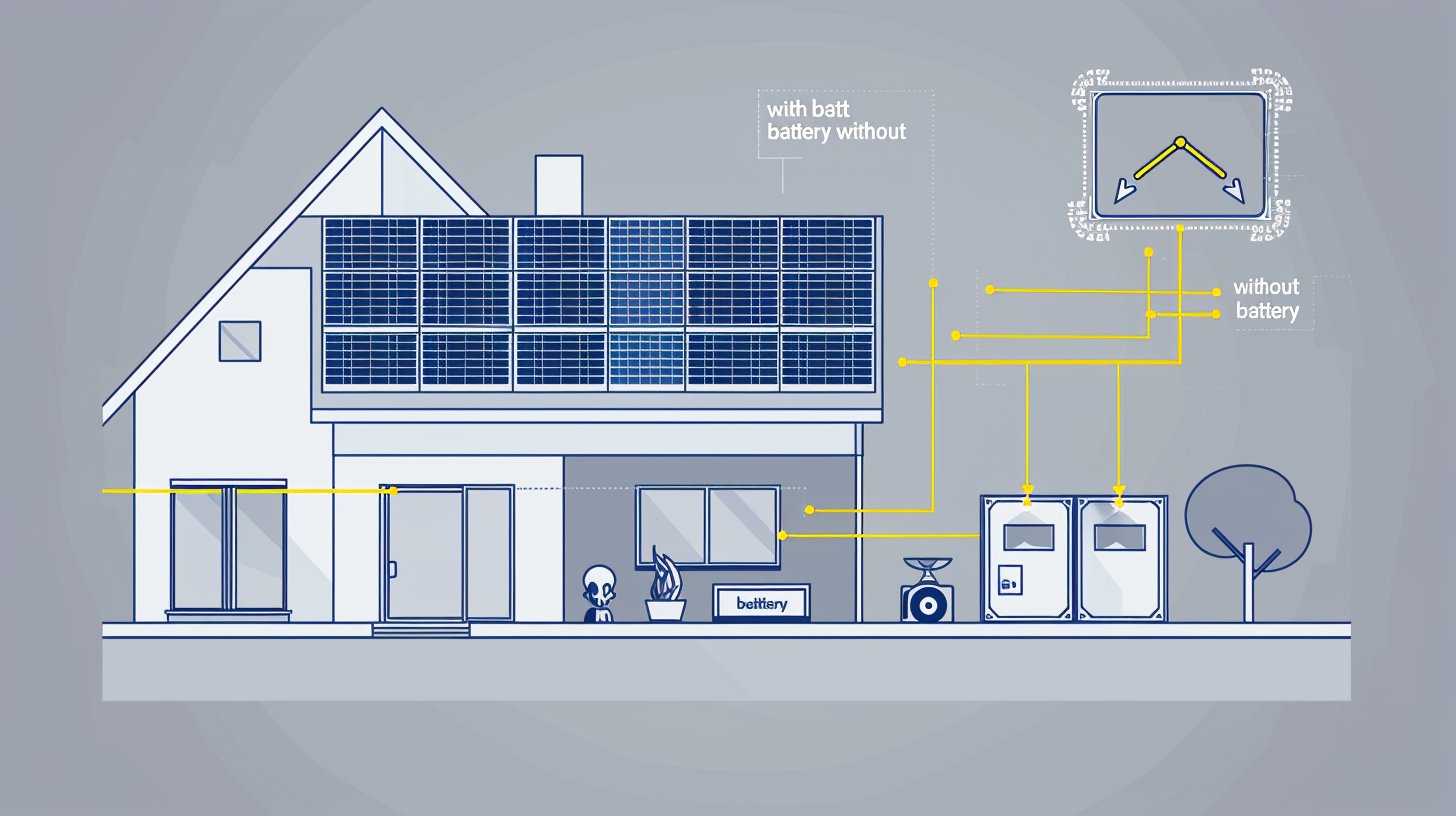
This is the most common solar configuration in the United States. Your solar panels connect directly to a string inverter, which connects to your electrical panel.
How it works:
-
Solar panels produce DC power during daylight
-
Inverter converts DC to AC
-
Your home uses the power immediately
-
Excess power exports to the grid (credited via net metering)
-
At night, you import power from the grid
The advantage: Lower cost. No battery expense. Simpler installation.
The catch: When the grid goes down, your solar system shuts off too.
This isn't a bug—it's federal law. UL 1741 requires grid-tied inverters to disconnect during outages (anti-islanding protection) to prevent electrocuting utility workers.
Real-world impact: During the Texas spring storms, a homeowner with a grid-tied system watched his solar panels sit idle on his roof while his house went dark. His neighbor with a hybrid system stayed powered for 18 hours from battery (CASE-001).
Scenario 2: Hybrid Inverter Without Battery
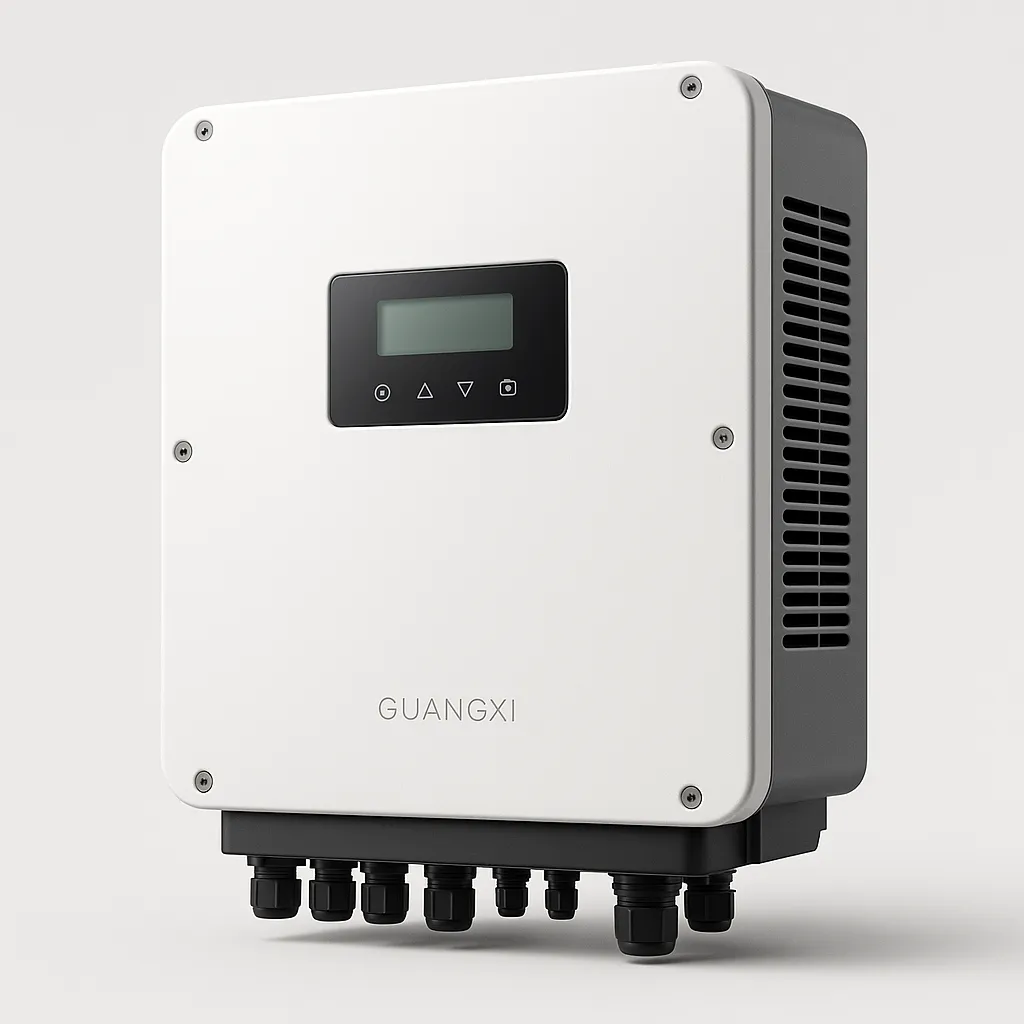
Here's where confusion sets in. A hybrid inverter CAN operate without a battery—but why would you buy a hybrid inverter and not connect a battery?
Operating modes without battery:
What you lose without a battery:
Why some homeowners choose this path:
-
Install hybrid inverter now, add battery later
-
Budget constraints (spread the investment over time)
-
Uncertain about battery needs
Our recommendation: If you're installing a hybrid inverter, plan to add a battery within 12 months. The hybrid premium ($500-1,500 over a standard string inverter) is wasted if you never use its battery capabilities.
Scenario 3: Hybrid Inverter With Battery (The Full Package)
This is where hybrid inverters earn their name.
How it works:
-
Solar panels produce DC power
-
Inverter powers your home AND charges the battery simultaneously
-
Grid acts as backup (and backup for your backup)
-
During outages, automatic transfer switches to battery
Key advantage over scenario 1: Power during outages.
Key advantage over scenario 2: You actually use what you paid for.
Real case: A California homeowner with a 10kW hybrid inverter and battery achieved 88% self-consumption, cutting his bill from $$350 to$$45/month under NEM 3.0 (CASE-002). Without the battery, his self-consumption would be stuck at 40%.
The Economics of Adding a Battery
Let's talk numbers. Should you skip the battery to save money?
Grid-tied system (no battery):
-
Inverter cost: $1,500-3,000
-
No backup power
-
Limited self-consumption optimization
Hybrid system with battery:
-
Hybrid inverter: $2,000-4,500
-
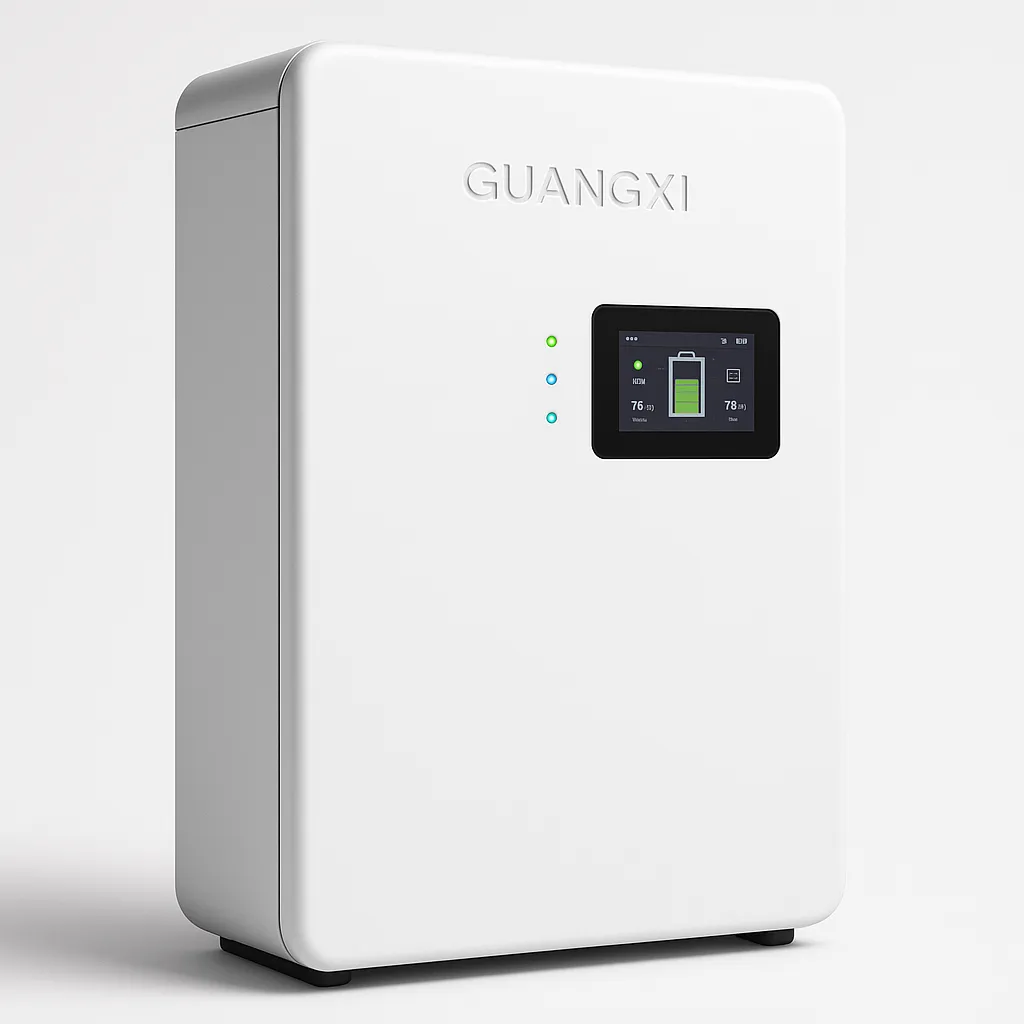
Battery (10kWh): $4,000-6,000
-
Total: $6,000-10,500
-
Full backup power + TOU optimization
The question: Is backup power and daily optimization worth $5,000-8,000?
In California (NEM 3.0): Yes. TOU optimization alone can save $200-300/month, paying for the battery in 2-4 years.
In Texas (grid instability): Yes. One avoided hotel stay during a multi-day outage pays for itself.
In states with stable grids and favorable net metering: Maybe. Run the numbers for your specific situation.
The "Battery-Ready" Marketing Trap
Some installers sell "battery-ready" inverters—standard string inverters with a future upgrade path to battery.
What they don't tell you:
Adding battery later typically requires:
The math:
-
"Battery-ready" string inverter: $2,000
-
Future AC-coupled battery system: $12,000+
-
Total when upgraded: $14,000+
vs.
-
Hybrid inverter now: $3,500
-
DC-coupled battery: $5,000
-
Total: $8,500
The "battery-ready" path costs more in the long run and delivers less efficiency.
When Can You Go Off-Grid Without Battery?
Trick question—you can't. Off-grid requires battery storage by definition. Solar panels only produce power during daylight. Without a grid connection AND without a battery, you have power only when the sun shines.
If you're considering off-grid, minimum battery sizing is 2-3 days of autonomy. For a typical home using 30 kWh/day, that's 60-90 kWh of battery storage—$25,000-45,000 worth of batteries alone.
Quick Reference: Which Configuration Fits You?
|
Your Situation
|
Recommended System
|
|
Stable grid, favorable net metering, budget-conscious
|
Grid-tied inverter, no battery
|
|
California (NEM 3.0), Texas, or grid instability
|
Hybrid inverter + battery
|
|
Planning to add battery within 2 years
|
Hybrid inverter now, battery later
|
|
True off-grid required
|
Hybrid inverter + large battery bank
|
|
Renter or temporary situation
|
Portable solar generator (not permanent inverter)
|
The Bottom Line
Yes, solar inverters work without batteries. Millions of American homes run exactly that configuration.
But if you want:
...then a battery isn't optional. It's essential.
The real question isn't "can I skip the battery?" The question is "what am I giving up if I do?"
Still deciding? Our US-based team can model your specific utility rates, outage history, and load profile to calculate exactly what a battery adds to your ROI. Send us your electric bills and we'll run the numbers.