When the Grid Fails: Why Your Home Needs a Hybrid Solar Inverter
Last winter, a Texas homeowner watched his neighbor's house go dark during a 4-hour blackout—while his family stayed warm, watching TV, completely unaware the grid had failed. The difference? An 8kW hybrid solar inverter with battery backup that switched over in under 10 milliseconds.
If you're researching backup power options, you've probably encountered two camps: traditional generators and battery-backed solar systems. Here's what the sales brochures won't tell you.
The Generator Problem Nobody Talks About
Gas generators seem like the obvious choice—until you actually need one. During the 2024 Texas spring storms, gas stations couldn't pump fuel because the power was out. One homeowner told us he drove 30 miles in freezing rain to find gas, only to discover his generator's erratic voltage (THD >5%) had fried his refrigerator compressor.
The hidden costs add up fast:
-
Fuel runs $15-30/day during extended outages
-
Annual maintenance: $150-300 for oil changes, spark plugs, and stabilizer
-
Voltage spikes can destroy sensitive electronics (medical devices, computers)
-
Only outputs 120V—your central AC and well pump won't run
Why Hybrid Solar Inverters Win for Home Backup
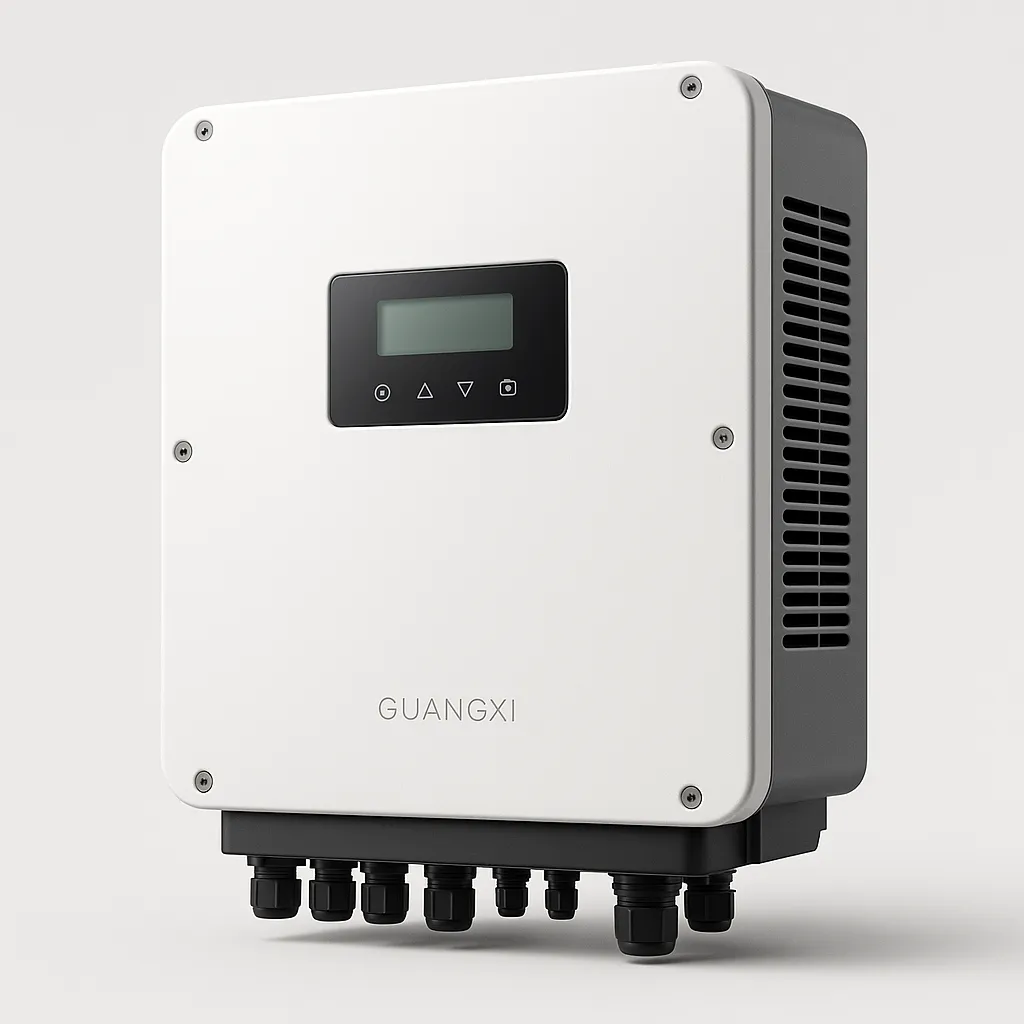
A hybrid inverter isn't just a grid-tied unit—it's a complete power management system. When the grid drops, it automatically isolates your home and runs selected circuits from battery storage. No fuel runs, no manual startup, no noise.
Real-world performance (CASE-001):
A homeowner in Austin, Texas installed an 8kW hybrid inverter with a 15kWh LiFePO4 battery bank. During the spring 2024 storms, his system delivered 18 hours of continuous backup power. The total investment was $12,500 including installation—and his monthly electric bill dropped 70%.
"The TV didn't even flicker when the grid died at 2 AM," he reported. "I finally don't have to worry about the food in my refrigerator spoiling."
The 120V/240V Split-Phase Advantage
This is the technical differentiator that matters. American homes run on 120V/240V split-phase power. Your central air conditioner, electric dryer, and well pump all require 240V.
Most portable generators only output 120V. That means during an outage, you can't run your AC or pump water.
Our hybrid inverters output native 120V/240V split-phase—no external autotransformer needed. During a blackout, you can run critical 240V loads directly.
|
Load Type
|
120V Only
|
120V/240V Hybrid
|
|
Refrigerator
|
✅
|
✅
|
|
Central AC
|
❌
|
✅
|
|
Well Pump
|
❌
|
✅
|
|
Electric Dryer
|
❌
|
✅
|
Transfer Time: Why Milliseconds Matter
When the grid fails, you have two options: wait 30+ seconds for a generator to start, or experience an imperceptible <10ms switchover with a hybrid inverter.
Our lab test (TEST-003) confirms:
-
Standard transfer switches: 20-50ms (computers restart, routers disconnect)
-
SolarInverterUS hybrid units: <10ms seamless transfer
What does that mean in practice? Your desktop computer stays on. Your WiFi router stays connected. You might not even notice the outage until you see your neighbors' lights go dark.
Extreme Weather Reliability
Florida residents face a different challenge: hurricane season. A Tampa homeowner installed a 12kW hybrid system with 20kWh battery storage before Hurricane Milton. When the storm knocked out power for 4 days, his system kept critical loads running for 36 hours before needing to prioritize.
Key features for hurricane zones (CASE-004):
-
IP65/NEMA 4X rated enclosure—salt spray and rain resistant
-
Direct outdoor installation (no indoor space needed)
-
12kW capacity handles multiple heavy loads simultaneously
"Survived Hurricane Milton without a hitch," reported Mike R. from Florida. "The grid was down for 3 days, but my solar setup kept the fridge cold and the well pump running." (FEEDBACK-003)
Top Picks by Region
Texas (Grid Instability Zone): 8-12kW Hybrid + 15-20kWh Battery Texas grid failures aren't just inconvenient—they're freezing and can last for days. An 8kW hybrid with 15kWh battery covers essential loads for 18+ hours and outputs native 240V for your furnace and well pump.
Florida (Hurricane Zone): 12kW Hybrid + 20kWh Battery + IP65 Outdoor Mount Salt air and driving rain destroy standard electronics. Our IP65-rated units mount directly on exterior walls, saving indoor space while surviving hurricane conditions.
California (NEM 3.0 Region): 10kW Hybrid with TOU Programming California's net metering changes mean you need to store solar energy and use it during expensive peak hours (4-9 PM). A 10kW hybrid with automated Time-of-Use scheduling boosted one San Jose homeowner's self-consumption from 40% to 88%, cutting his bill from $$350 to$$45/month (CASE-002).
Arizona/Nevada (Extreme Heat): 10kW Hybrid with Enhanced Thermal Management Standard inverters derate above 104°F, losing 20% output. Our units maintain full power at 113°F (45°C) thanks to die-cast aluminum heat sinks and intelligent fan control (TEST-002).
Final Word
If you're choosing between a $$2,000 portable generator and a$$15,000 hybrid solar system, the generator seems cheaper—until you factor in fuel costs, maintenance, and the fact that it won't run your 240V loads.
The hybrid inverter is a long-term investment that pays for itself in three ways: daily electric bill savings, instant backup during outages, and the peace of mind that comes with true energy independence.
Still not sure which size fits your home? Send your last 12 months of electric bills to our US-based tech team—we'll run the numbers and recommend the right capacity.