If you're here, you've probably experienced a power outage that left you in the dark—maybe during a Texas winter storm, a Florida hurricane, or a California PSPS event. The question is the same: what's the best solar inverter to keep your lights on when the grid fails?
After designing backup power systems for 300+ homes across extreme weather states, I'll tell you exactly what you need—and what's a waste of money.
The most important thing to understand: A standard grid-tied string inverter produces ZERO power during an outage. Even if the sun is shining. Even if you have panels on your roof. Why? UL 1741 safety requirements mandate that grid-tied inverters must disconnect when the grid goes down (anti-islanding protection).
The only way to have backup power from solar: A hybrid inverter with battery storage.
The Quick Answer: What You Actually Need
|
Your Situation
|
Best Setup
|
Why
|
|
Texas (winter storms)
|
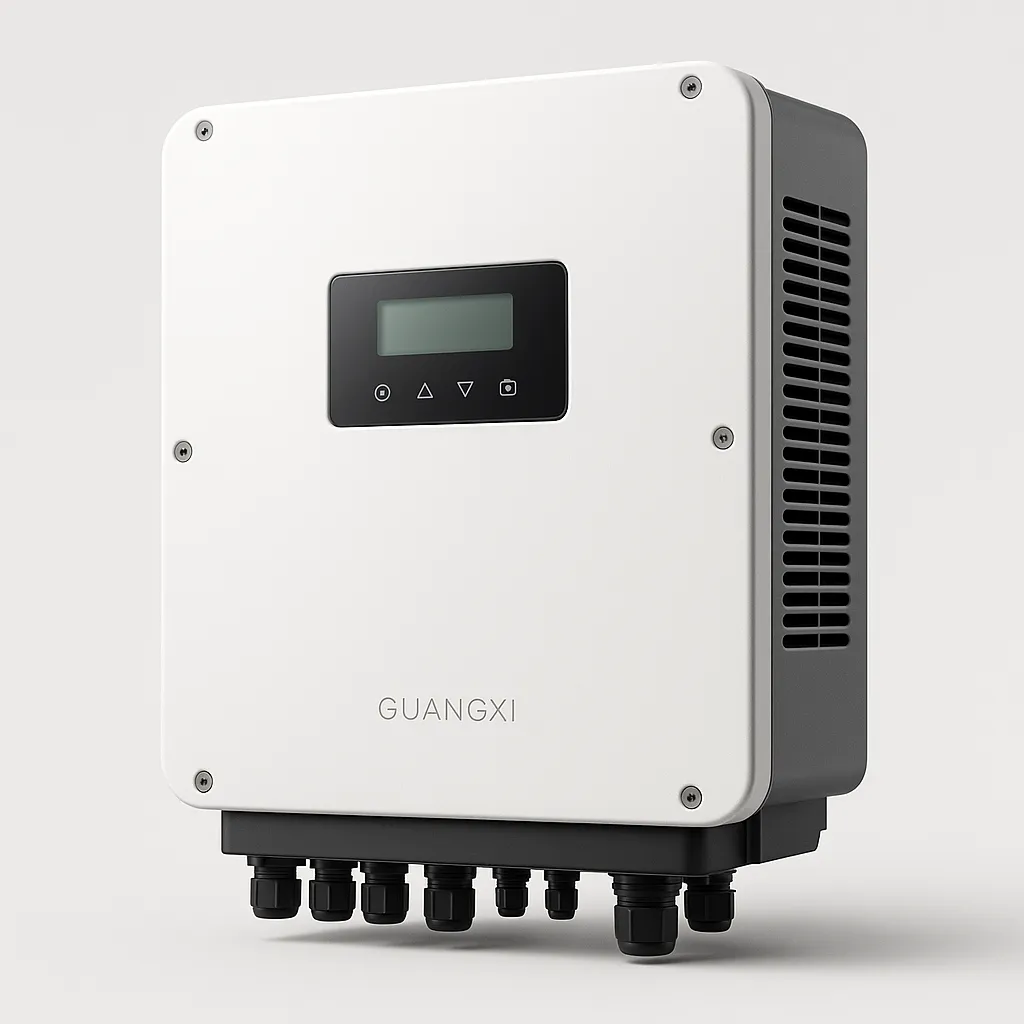
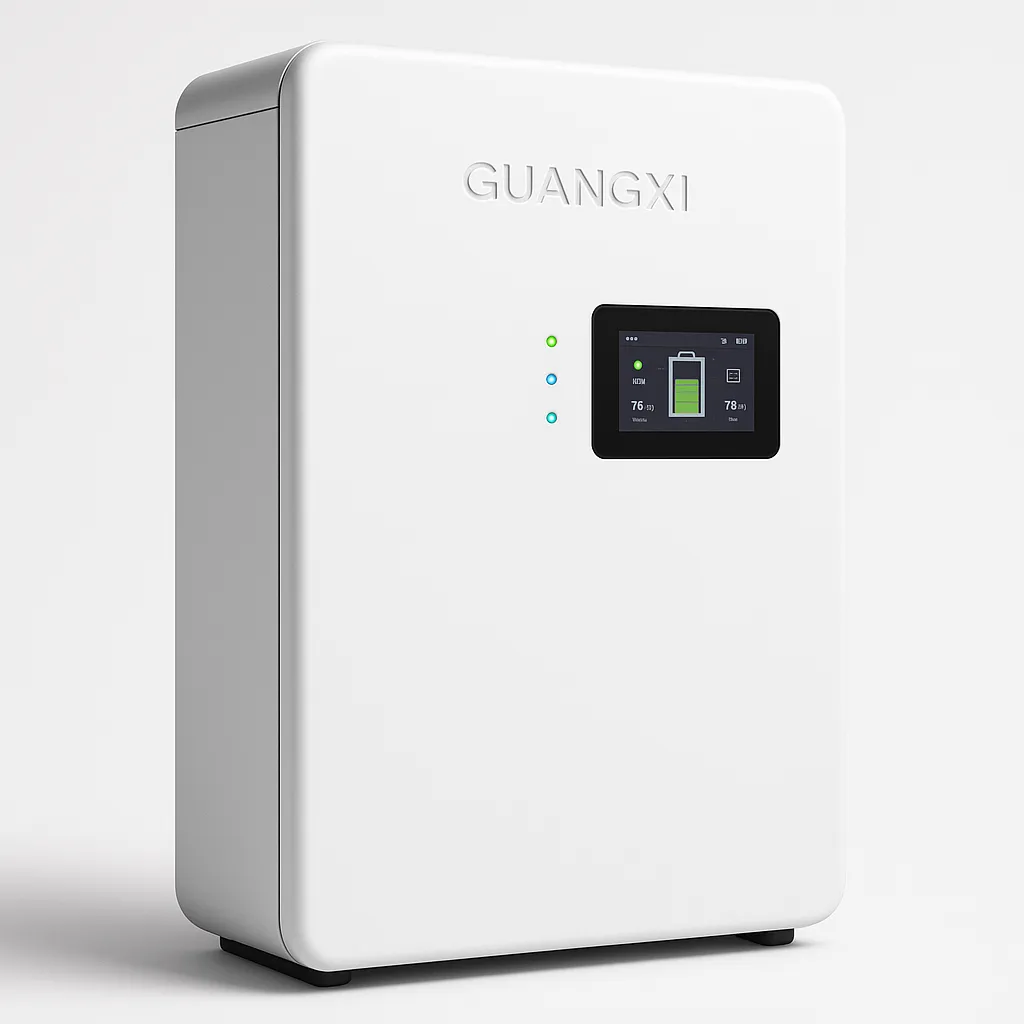
SolarInverterUS 8-12kW Hybrid + 15-20kWh Battery
|
Handles electric furnace, 18+ hours backup
|
|
Florida (hurricanes)
|
SolarInverterUS 12kW Hybrid IP65 + 20kWh Battery
|
Salt air resistance, 36+ hours backup
|
|
California (PSPS + NEM 3.0)
|
SolarInverterUS 8kW Hybrid + 10-15kWh Battery
|
TOU optimization, shorter outages
|
The 5 Features That Actually Matter
1. UPS-Grade Transfer Time (<10ms): Don't Let Your House "Blink"
Most people don't realize that standard backup inverters can take 20-30 milliseconds to switch on when the grid dies. That delay is long enough to crash your desktop computer, reset your microwave clock, and drop your router's internet connection.
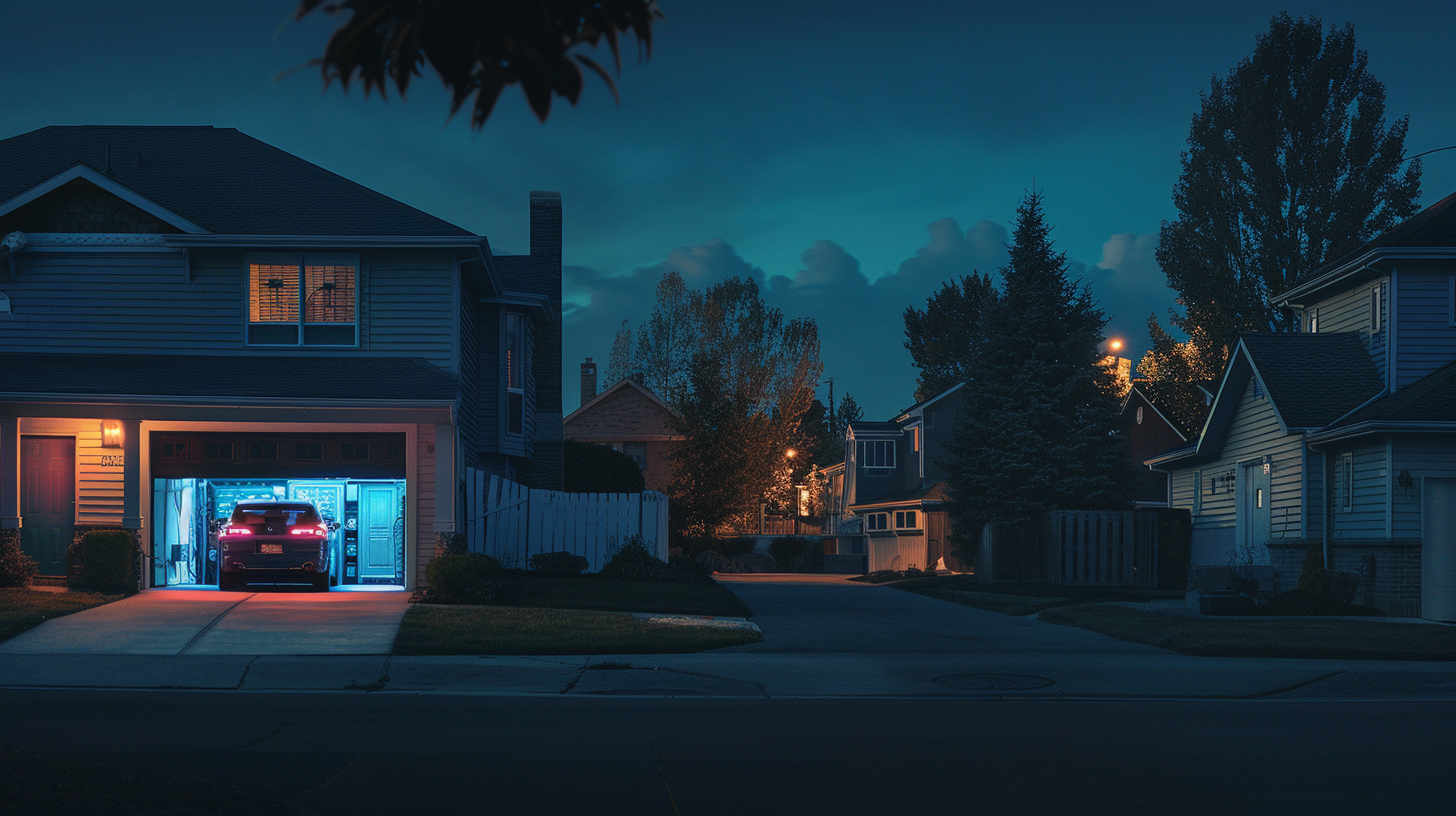
When you're sizing a system for extreme weather, you need true UPS-grade seamless switching. I recently followed up with a client in Dallas who installed our SolarInverterUS 8kW Hybrid Inverter. During the violent 2024 spring storms, the utility grid dropped at 2 AM. Because our units feature a transfer time of under 10ms, his TV didn't even flicker. His kids slept right through the blackout.
2. Surge Power for Heavy Loads (2x for 10+ Seconds)
Starting motors—air conditioners, well pumps, refrigerators—requires 2-3x their running power. I had a rancher in rural Texas call me about his deep well pump. Most inverters trip on that startup surge, but our 5kW SolarInverterUS hybrid handled the 2x surge for a full 10 seconds no problem. His water kept flowing even during a grid outage.
3. Native 120V/240V Split-Phase Output
Every SolarInverterUS hybrid unit outputs native 120V/240V split-phase. No expensive autotransformer needed ($500-800 saved), and you can run any standard American appliance during a blackout.
4. Built-in BMS Protocol Library (The DIY Lifesaver)
Every SolarInverterUS hybrid unit has a built-in BMS protocol library. You plug a standard CAT5 cable from your EG4, Pytes, or SOK LiFePO4 battery into the CAN port, select the battery brand on the LCD, and closed-loop communication is instant.
5. IP65/NEMA 4X Rating for Hurricane Zones
During Hurricane Milton, a customer in Tampa had his 12kW SolarInverterUS unit mounted directly on an exterior wall. It took 100mph sideways rain and salt spray for 4 days straight. Zero water intrusion.
My Top Picks by Region
The Texas Freeze Setup: SolarInverterUS 8-12kW Hybrid
Texas grid failures aren't just inconvenient—they're freezing and last for days. I never recommend anything smaller than our 8kW Hybrid paired with a 15-20kWh LiFePO4 battery bank. Native 120V/240V split-phase output means when the grid is completely dead, this inverter still outputs the 240V required to run your emergency electric furnace and central AC.
The Florida Hurricane Setup: SolarInverterUS 12kW IP65 Rated
In Florida, the enemy isn't just the blackout—it's the driving rain and salt fog. Direct outdoor mounting without a secondary enclosure. Salt air resistance for coastal properties. 36+ hours of critical load backup with a 20kWh battery.
The California PSPS Setup: SolarInverterUS 8kW Hybrid with TOU
California outages are shorter, but NEM 3.0 makes battery storage essential for daily economics. Built-in Time-of-Use optimization. The inverter automatically stores midday solar and discharges during expensive peak hours (4-9 PM). One customer pushed his self-consumption from 40% to 88%, dropping his monthly bill from $350 to$45.