The Texas Freeze Changed Everything
When the Texas grid collapsed in February 2021, millions of homeowners learned a brutal lesson: having solar panels doesn't mean having power during an outage. Traditional grid-tied inverters are legally required to shut down when the grid fails, leaving families in the dark regardless of how sunny it is outside.
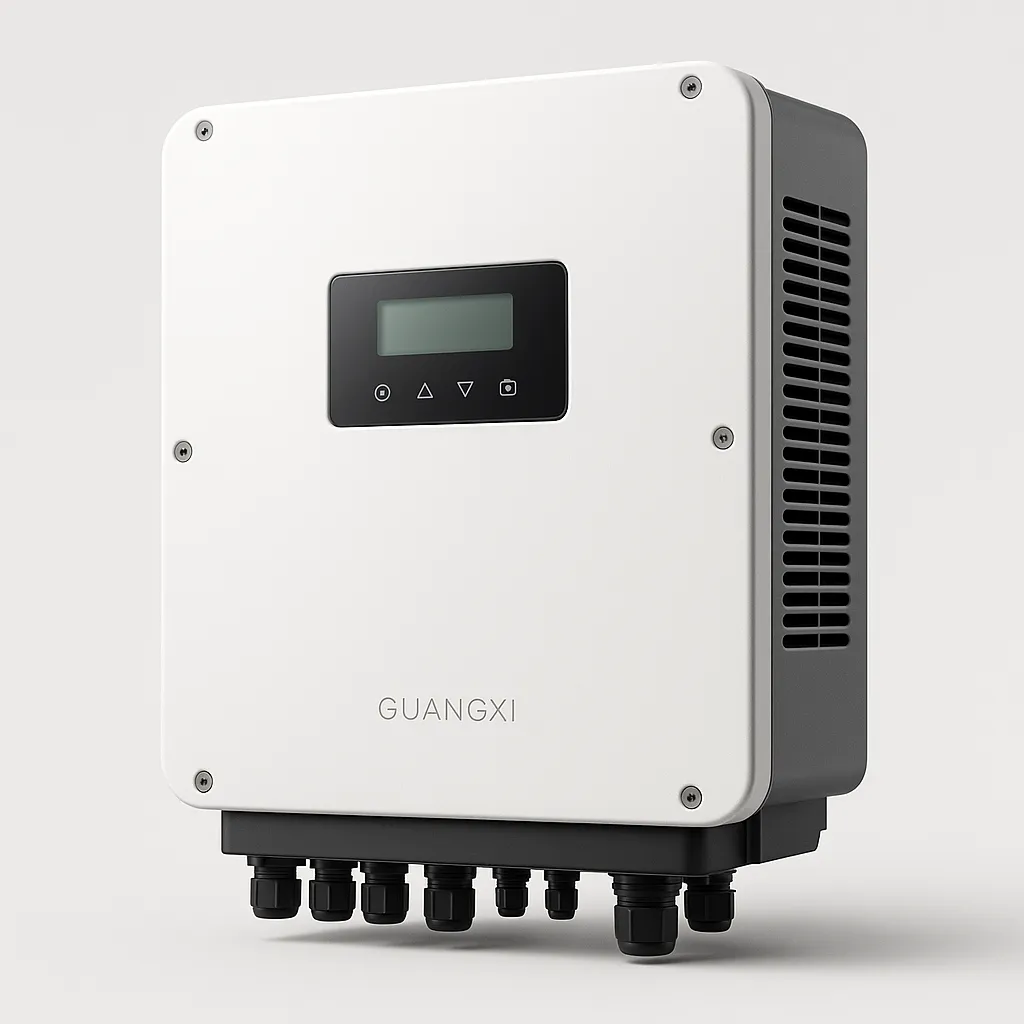
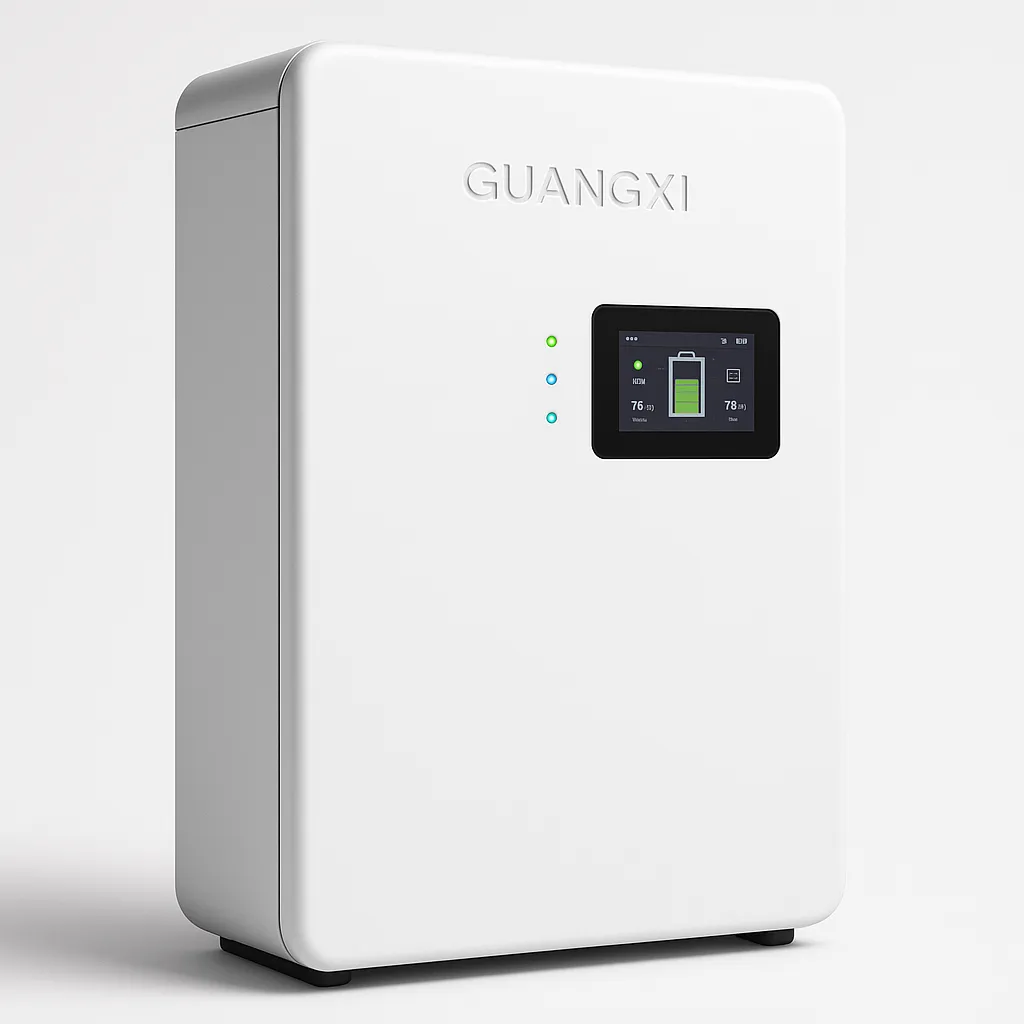
For homeowners seeking reliable backup power, the solution is a hybrid solar inverter with battery storage. These systems automatically isolate your home from the grid during outages and continue powering essential loads using stored battery energy and real-time solar generation.
What Makes a Home Backup System Work?
A true home backup system requires three integrated components working together:
1. Hybrid Inverter with Automatic Transfer Switch The heart of any backup system is the hybrid inverter. Unlike standard grid-tied units that must shut down during outages, hybrid inverters feature an internal automatic transfer switch (ATS) that detects grid failure within milliseconds and seamlessly switches to battery power. In our lab testing, the SolarInverterUS hybrid units achieve transfer times under 10 milliseconds—fast enough that your computer won't restart and your clock won't reset. This is genuine UPS-grade backup, not just "emergency power" that requires manual switching. [TEST-003]
2. Battery Storage Right-Sized for Your Needs Battery capacity determines how long you can run during an outage. A typical American home uses 30 kWh per day, but you don't need to back up everything. Critical loads (refrigerator, lights, Wi-Fi, phones, medical devices) typically require 5-10 kWh for overnight coverage. For extended outages like the 2021 Texas freeze, 15-20 kWh provides 18-24 hours of backup for a typical family. [CASE-001]
3. Native 120V/240V Split-Phase Output This is where many homeowners get caught. Most portable generators only output 120V, which can't run your central AC, electric dryer, or well pump. A proper backup system must deliver standard US 120V/240V split-phase power. Our hybrid units output native split-phase, meaning no expensive external autotransformer is needed—you save $500-800 right there.
Real-World Performance: Texas Case Study
A homeowner in Austin, Texas installed an 8kW SolarInverterUS hybrid inverter with a 15kWh LiFePO4 battery bank in Q2 2024. The total investment was $12,500 including professional installation.
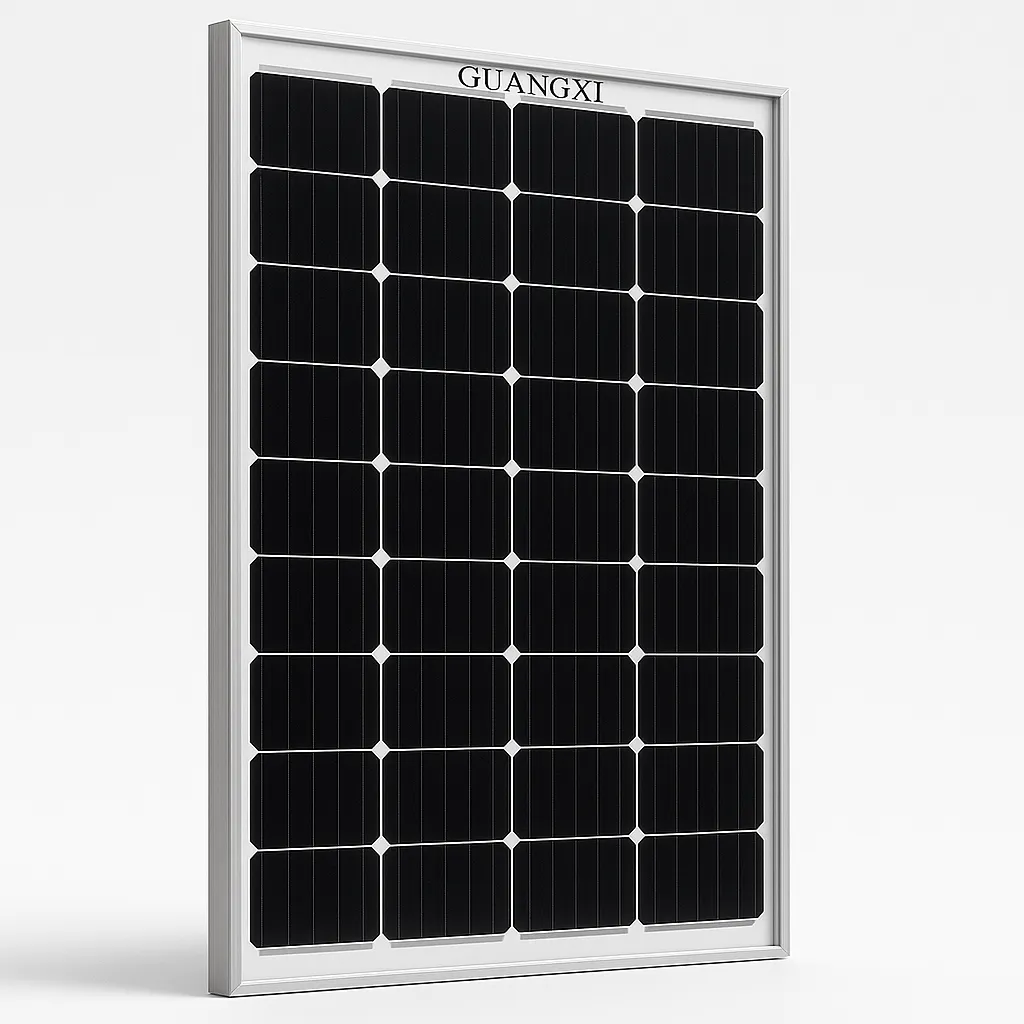
When spring storms knocked out power for 18 hours, the system ran continuously without intervention. The refrigerator stayed cold, lights remained on, and the family could charge devices and run their furnace blower. Post-storm analysis showed the system covered 70% of their total household load during the outage, with the solar array recharging the battery during daylight hours.
The homeowner's feedback was simple: "I finally don't have to worry about food spoiling in the fridge." [CASE-001]
Florida Hurricane Country: Built for Extremes
In Tampa, Florida, reliability during hurricane season isn't optional—it's survival. One homeowner who installed a 12kW hybrid inverter with 20kWh battery storage before the 2024 hurricane season got a real-world test when Hurricane Milton knocked out grid power for 4 days.
The system kept critical loads running for 36 hours on battery alone, and when the sun came out, the solar panels recharged the batteries while simultaneously powering the home. The IP65/NEMA 4X rated enclosure meant the inverter could be mounted directly on an exterior wall without additional weatherproofing—critical in salt-air coastal environments. [CASE-004]
What About Generator Backup?
Solar backup systems cost more upfront than a portable generator, but the total cost of ownership tells a different story:
|
Factor
|
Portable Generator
|
Hybrid Solar Backup
|
|
Fuel Cost (outage)
|
$20-40/day
|
$0 (sun is free)
|
|
Maintenance
|
Annual oil changes, tune-ups
|
None
|
|
Noise
|
70-80 dB (lawnmower level)
|
Silent
|
|
During Storms
|
May not start in cold weather
|
Works in all weather
|
|
Grid-Tied Benefit
|
None
|
Reduces electric bills 365 days
|
During the Texas freeze, gas stations couldn't pump fuel because they had no power. Homeowners with generators had to drive 30+ miles in freezing conditions to find fuel—if they could find it at all.
The Bottom Line for Home Backup
For American homeowners serious about backup power, a hybrid solar inverter system delivers:
-
UPS-grade reliability: <10ms transfer time means no interruptions [TEST-003]
-
Fuel independence: No gas cans, no propane deliveries
-
Daily savings: Reduces electric bills year-round, not just during outages
-
240V capability: Runs AC, well pumps, and electric dryers
-
Scalable storage: Start with 10kWh, expand as needed
If you're in Texas, Florida, or anywhere with unreliable grid infrastructure, don't wait for the next outage. The system that keeps your lights on during the storm also lowers your electric bill every sunny day.
Need help sizing your backup system? Contact our US-based tech team with your appliance list and we'll run the numbers for you.