Off-Grid Cabin Power: The Real Requirements
Powering a remote cabin isn't the same as sizing a suburban home system. You're not optimizing for net metering credits or TOU savings. You need reliable, standalone power that works whether or not the sun shines today.
The key challenges for cabin systems:
-
No grid backup: When your battery is empty, you have no power. Period.
-
Surge requirements: Well pumps, refrigerators, and tools need massive startup current
-
Space constraints: Cabins often have limited wall space for equipment
-
DIY installation: Most cabin owners want to install themselves, not hire electricians
Let me walk you through what actually works in real off-grid scenarios.
The Surge Problem Nobody Talks About
Here's the classic mistake: A cabin owner calculates their daily usage at 5 kWh, sizes a 3kW inverter, and then... their well pump won't start.
A 3HP deep well pump draws about 2,000W when running. But during startup, it needs 8,000W for 3-5 seconds to overcome inertia and get the motor spinning. A 3kW inverter without adequate surge capacity simply trips offline.
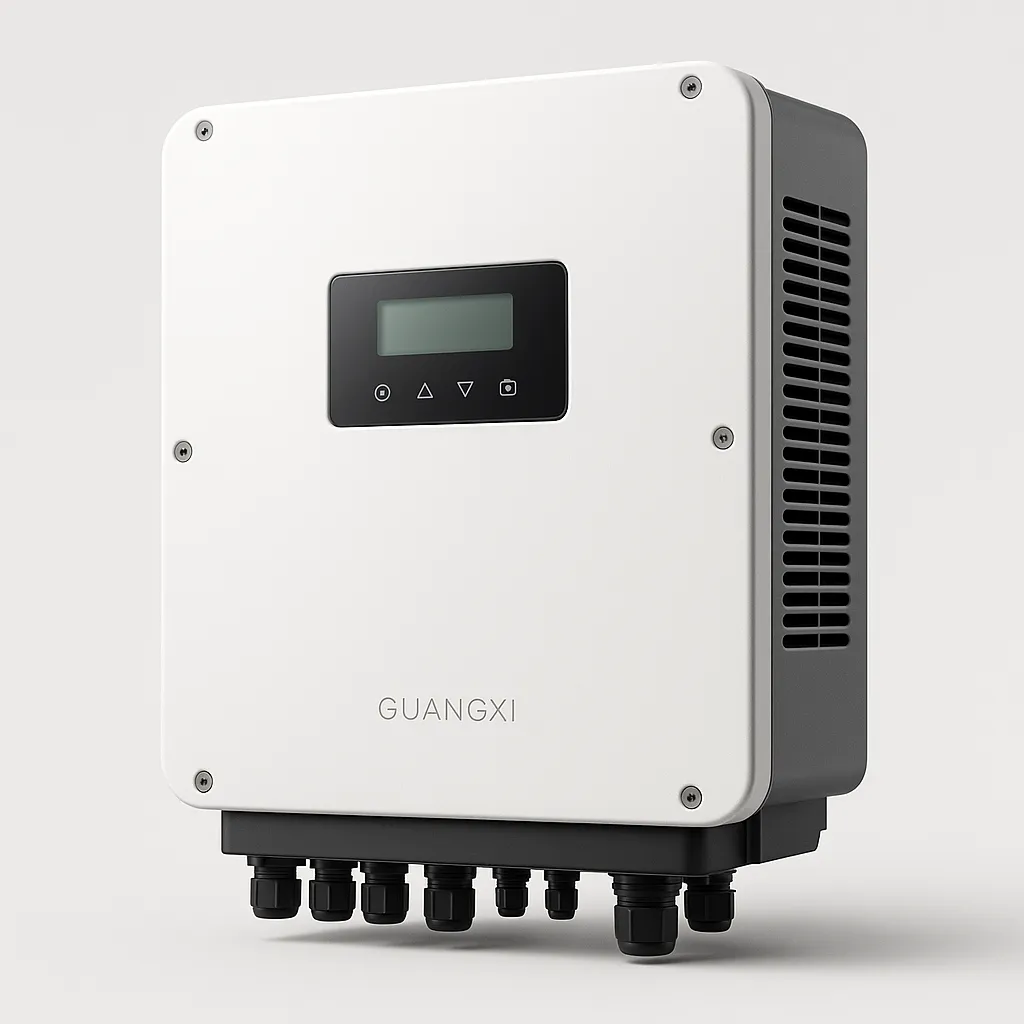
This is where SolarInverterUS hybrid inverters shine. Our 5kW units deliver 2x surge power (10kW) for 10 seconds—enough to start heavy inductive loads reliably. [TEST-005]
A Texas rancher installed our 5kW hybrid specifically to run his 3HP deep well pump during outages. The system handled the 8,000W surge without hesitation. [CASE-005]
Sizing rule for cabins: Your inverter's surge rating must exceed the largest motor you plan to start. For most cabins with a well pump, that means minimum 5kW inverter with 10kW surge capability.
Space-Constrained Solutions: Tiny Houses and RVs
If you're powering a tiny house or RV, every pound and cubic inch matters. Traditional transformer-based inverters weigh 50+ lbs and require dedicated equipment rooms.
Modern high-frequency inverters offer a dramatically different profile:
SolarInverterUS 3kW high-frequency inverter:
-
Weight: 16.5 lbs (7.5kg)—30% lighter than transformer-based units
-
Mounting: Direct to standard plywood wall, no reinforced framing needed
-
Size: Fits in a standard cabinet or under a bench
A Colorado tiny house owner with 280 square feet of living space installed our 3kW unit directly on a plywood wall—no dedicated equipment room required. The system successfully starts their 13,500 BTU rooftop AC unit during peak summer heat. [CASE-006]
Key specs for space-constrained installs:
-
Weight under 20 lbs
-
Wall-mountable without reinforcement
-
Built-in BMS communication (eliminates separate controller box)
-
IP65 rating if mounting outdoors
Battery Compatibility: The BMS Communication Advantage
Off-grid systems live and die by battery management. A lithium battery without proper BMS communication will fail prematurely from overcharge or deep discharge.
The old way: Cheap off-grid inverters have no BMS communication. They guess at state of charge based on voltage alone. Result: batteries degrade in 2-3 years instead of lasting 10+.
The modern way: Inverters with built-in BMS protocol libraries communicate directly with your battery, seeing exact cell voltages, temperatures, and state of charge.
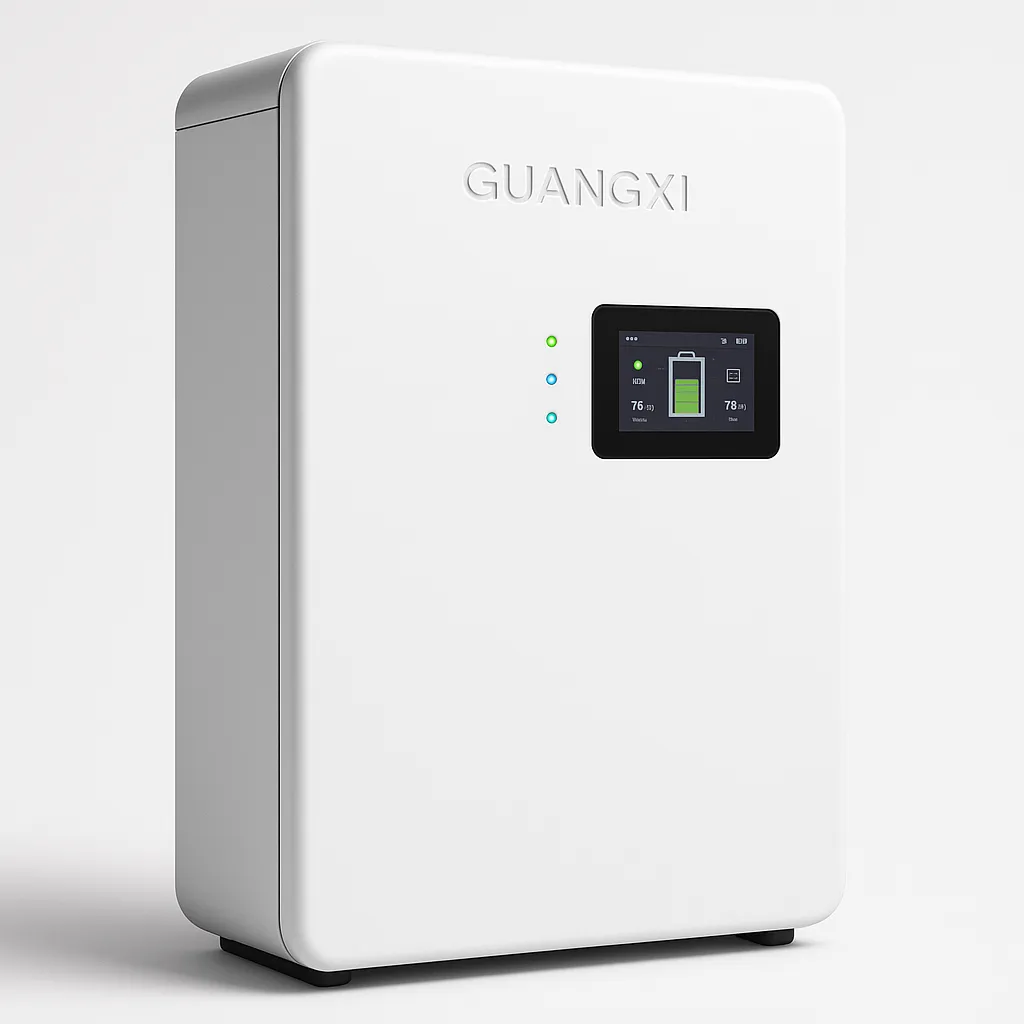
SolarInverterUS units feature built-in support for EG4, Ruixu, Pytes, SOK, and other major 48V LiFePO4 brands. [TEST-006] Plug in a standard CAT5 cable and communication is automatic.
A Colorado tiny house owner reported: "No BMS communication cable nightmare. I connected my EG4 battery with a standard CAT5 cable and it just worked. DIY completed in two days." [CASE-006]
System Sizing for Cabins
Here's a practical sizing guide for typical cabin scenarios:
|
Cabin Type
|
Daily Usage
|
Inverter
|
Battery
|
Solar Array
|
|
Weekend cabin (lights, fridge, phone charging)
|
3-5 kWh
|
3kW
|
5kWh
|
2-3kW
|
|
Full-time small cabin + well pump
|
8-12 kWh
|
5kW
|
10-15kWh
|
4-6kW
|
|
Large cabin with AC
|
15-25 kWh
|
8-10kW
|
20-30kWh
|
8-10kW
|
|
Tiny house / RV
|
2-4 kWh
|
3kW
|
5kWh
|
1-2kW
|
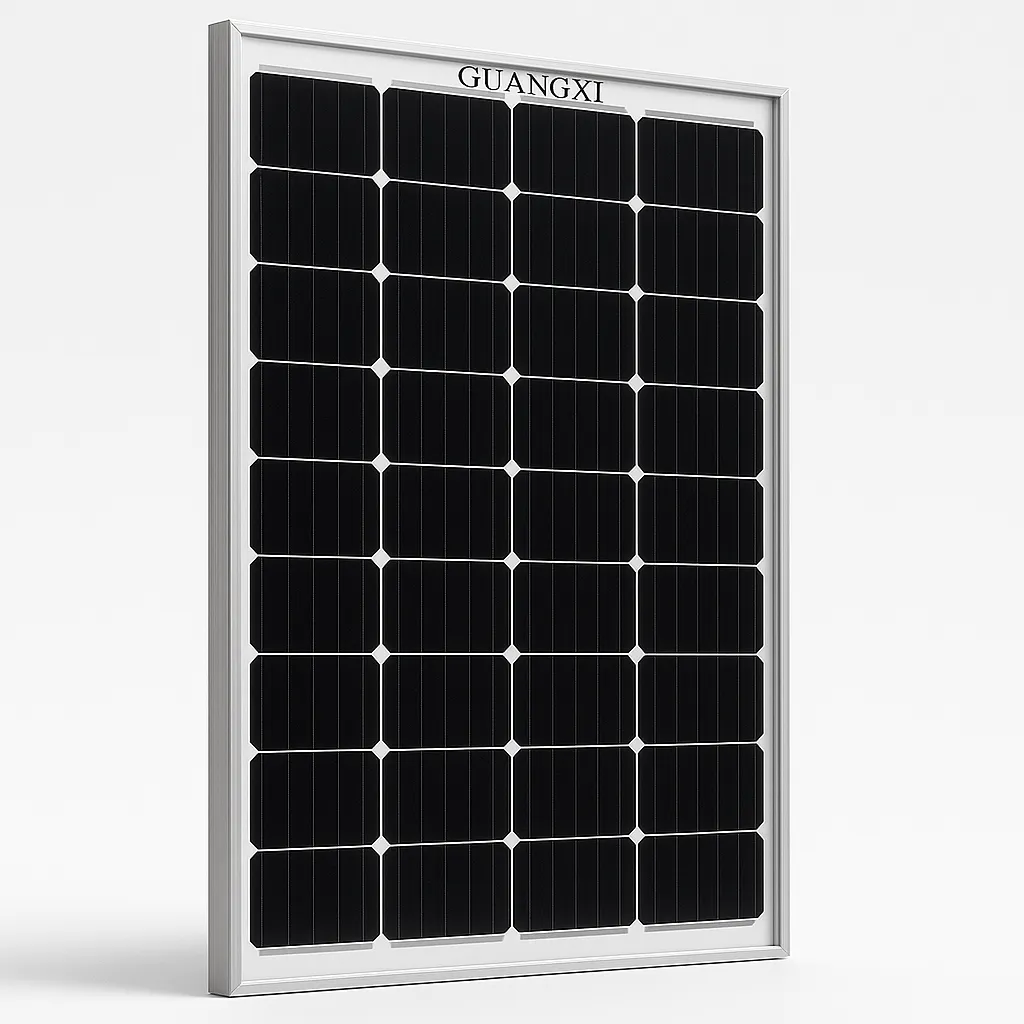
Winter consideration: If you're using the cabin in winter with reduced sunlight, oversize your solar array by 30-50% to compensate for shorter days and potential snow coverage.
Real-World Performance Data
Case Study: Texas Ranch Cabin [CASE-005]
-
Location: Rural Texas, grid unavailable
-
Loads: 3HP well pump, refrigerator, lights, tools
-
System: 5kW SolarInverterUS hybrid + 10kWh LiFePO4
-
Result: Reliable daily operation, well pump starts without tripping
Case Study: Colorado Tiny House [CASE-006]
-
Location: Mountain location, off-grid
-
Space constraint: 280 sq ft, no equipment room
-
System: 3kW high-frequency inverter + 5kWh battery
-
Result: Powers 13,500 BTU AC, completed DIY install in 2 days
The Off-Grid Checklist
Before purchasing, verify:
-
Inverter surge rating exceeds largest motor (well pump, AC, tools)
-
BMS communication supported for your battery brand
-
Weight and dimensions fit your space constraints
-
Input voltage range matches your solar array configuration
-
Output includes required voltages (120V, 240V if needed)
-
IP rating suitable for your mounting location (IP65 for outdoor)
-
Parallel capability if you might expand later
The Bottom Line for Cabin Power
Off-grid cabin systems demand different priorities than grid-tied homes:
-
Surge capacity matters more than continuous rating
-
Space and weight are real constraints—high-frequency inverters win
-
BMS communication is non-negotiable for battery longevity
-
DIY-friendly installation saves thousands in remote locations
For most cabins with well pumps, a 5kW hybrid inverter with 10kW surge and built-in BMS communication hits the sweet spot of capability and value.
Planning an off-grid cabin install? Send us your appliance list and we'll calculate your exact requirements.